Administrative & Geographic Overview
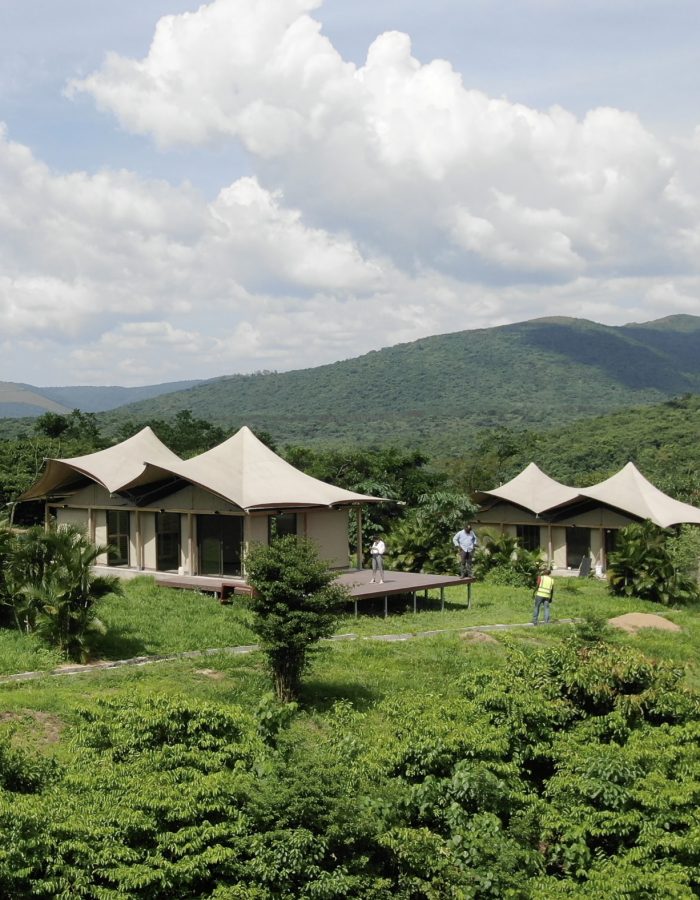
Djugu Territory occupies the eastern portion of Ituri Province, stretching from the highlands to Lake Albert shores. Rich in gold deposits and agricultural potential, it hosts diverse communities with deep cultural traditions.
Accessibility
Accessible via road from Bunia (40km) and Mahagi. Lake Albert provides water transport connections to Uganda.
Strategic Importance
Strategic territory bordering Uganda with significant mineral resources and access to Lake Albert fishing grounds.
Tourism & Natural Assets
Landscapes
Climate
Tropical highland climate with two rainy seasons. Temperatures moderate (20-28°C) with cooler highlands.
Key Assets
One of the African Great Lakes with fishing communities and scenic shores.
Historic artisanal gold mining areas with potential for educational tourism.
Rich heritage of Lendu and Hema traditional governance and customs.
Culture, Heritage & Communities
Local Communities
Traditional Activities
- Artisanal gold mining
- Lake fishing
- Cattle herding
- Traditional crafts
Cultural Heritage
Complex heritage of pastoralist and agricultural communities with distinct traditions in ironwork, pottery, and oral history.
Community Tourism Potential
Potential for fishing tourism, cultural heritage trails, and community reconciliation initiatives.
Tourism Experiences You Can Book
Lake Albert Fishing Experience
Join local fishermen on traditional fishing expeditions.
Cultural Heritage Trail
Explore traditional kingdoms and reconciliation monuments.
Highland Village Stays
Experience daily life in plateau farming communities.
Artisanal Craft Workshops
Learn traditional ironwork and pottery techniques.
Browse the full catalogue on our Experiences page or Tours page to book a guided itinerary in this territory.
Development & PPP Opportunities
Travel Information
Ituri Province, DRC
Dry seasons (December-February, June-August) offer better travel conditions.
Governance Context
Territory Administration coordinates with traditional chiefs and peace committees for local governance.
Travel Considerations
Security situation requires advance planning and coordination with local authorities and verified partners.
Eco-Village Potential
Suitability
Moderate suitability pending peace consolidation; lakeside communities offer hosting potential.
Youth & Women Participation
Women fishing cooperatives and youth peace initiatives provide foundation for tourism employment.
Rural Development
Tourism development aligned with peace-building and livelihood diversification programs.
Continue exploring the Democratic Republic of Congo
Every territory in the DRC is part of a much larger tourism ecosystem — cities, national parks, cultural sites and river routes. Continue your research with these related resources.
Common questions travellers ask about the DRC
Is the Democratic Republic of Congo safe to visit?
Yes — most tourism corridors in the DRC (Kinshasa, Lubumbashi, Virunga, Kahuzi-Biega, Lola ya Bonobo, Kongo Central coast, Upemba, Garamba) are routinely visited safely when travelling with a licensed operator. The DRC is the size of Western Europe, so security conditions vary dramatically by region — avoid eastern conflict pockets outside designated park corridors and check current advisories.
How much does gorilla trekking cost in the DRC (Congo)?
Mountain gorilla permits in Virunga National Park start around €415 per person. Grauer's (eastern lowland) gorilla trekking in Kahuzi-Biega starts around €370. Multi-day packages with transfers, ranger fees and lodging typically range from €1,100 to €3,200 per person.
Do I need a visa to visit the DRC?
Most travellers need a tourist visa, obtained in advance from a DRC embassy or via an authorised operator with a letter of invitation. A short-stay tourist e-visa is available for many nationalities.
When is the best time to travel to DR Congo?
The dry seasons — June to September and December to February — are ideal for gorilla trekking, volcano hikes and safari travel. Congo River and rainforest experiences are rewarding year-round.
Prefer a human? Plan your trip, apply for a private consultation, or contact our team. For press and partnerships, see our media kit and accredited partners directory.