Upemba National Park
The source region of the Congo River, Upemba spans over 80 interconnected lakes, high plateaus, and Miombo woodland in DRC's southeast, and is at the centre of an active ecological restoration.
The wetlands at the source of the Congo River
Established by royal decree in 1939, Upemba protects a vast landscape ranging from shrub savanna valleys and high plateaus to the swampy Kamalondo Depression, where the Lualaba River, the source stream of the Congo River, winds through more than 80 interconnected lakes.
At its founding, Upemba held dense populations of lion, elephant, black rhino, leopard, and large antelope herds, along with the now locally extinct Upemba lion. Decades of instability and repeated attacks on park headquarters in 1997, 2004, and 2012 devastated much of this wildlife.
Today, Upemba is the focus of an active ecological rehabilitation programme run through a public-private partnership, aiming to restore it as a key biodiversity hotspot and model for green development in southern DRC.
The Kamalondo Depression's lake system holds rich endemic freshwater fish diversity, and the park's varied terrain, from Miombo woodland to gallery forest, supports over 1,800 recorded plant species; pair a visit with the adjoining Kundelungu National Park.
What makes Upemba distinct
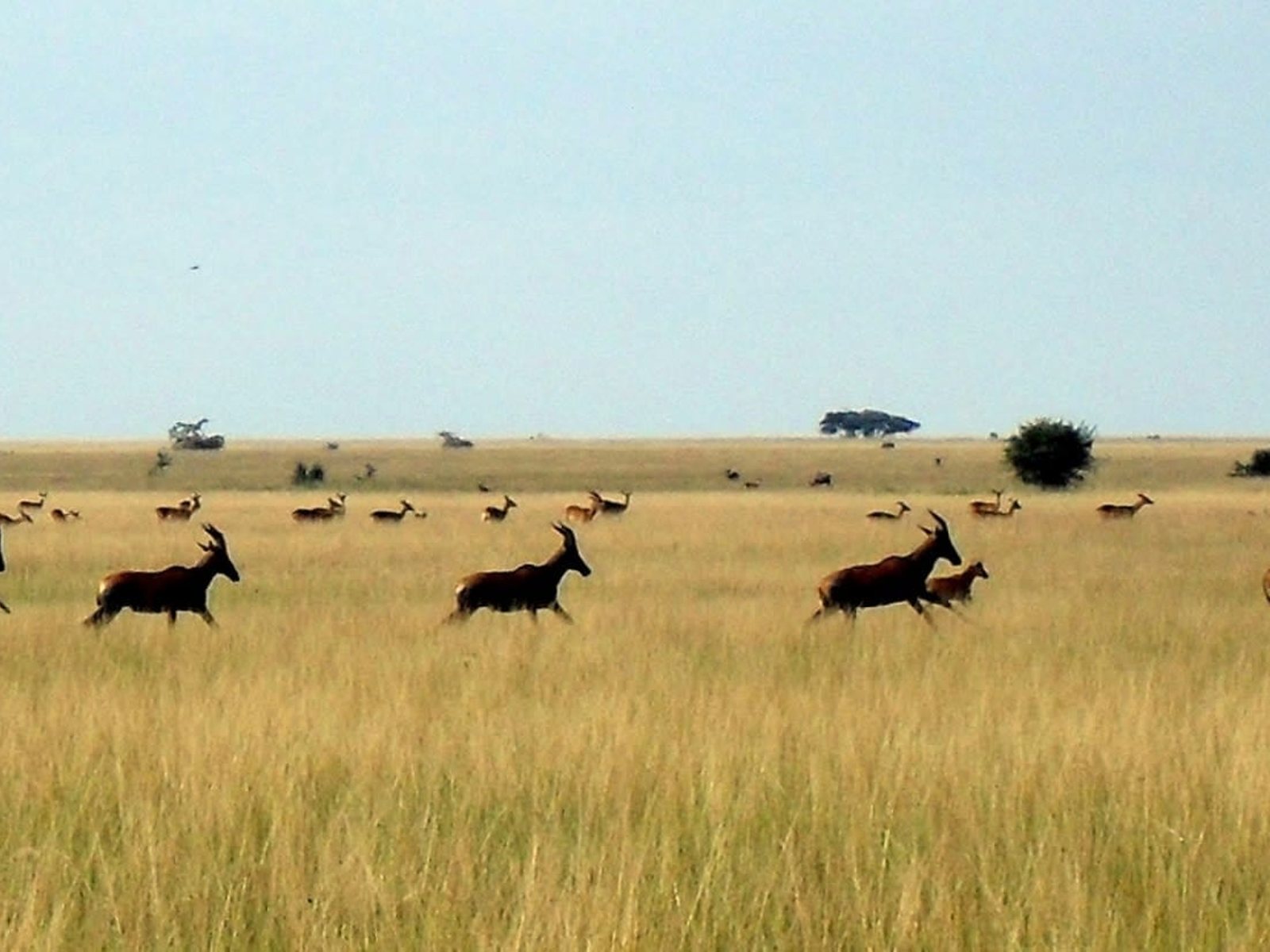
Upemba's wetlands and woodlands are recovering from decades of poaching, with restoration efforts now underway.
Kamalondo Depression lakes
Over 80 interconnected lakes hold rich, partly endemic freshwater fish diversity, a defining feature of the park.
Munte Falls
A spectacular waterfall on the Munte River is among Upemba's most striking landscape features.
Miombo woodland wildlife
Antelope, primates, and birdlife persist across the park's Miombo woodland and gallery forest zones.
Historic wildlife populations
Upemba once held dense elephant, lion, and black rhino populations, now the focus of active recovery efforts.
Endemic flora
Over 1,800 recorded plant species range across shrub savanna, high plateau grassland, and wetland habitats.
Wetland birdlife
The lake system and marshland attract a wide range of water birds across Upemba's varied wetland habitats.
How a visit to Upemba comes together
Upemba is best combined with neighbouring Kundelungu National Park, roughly 400 km from Lubumbashi.
Fly into Lubumbashi
Lubumbashi, Katanga's provincial capital, is the main gateway for reaching Upemba and Kundelungu.
Overland travel north
Road travel connects Lubumbashi to the Upemba-Kundelungu Complex, roughly 400 km depending on route and conditions.
Explore the Kamalondo Depression
Guided visits take in the lake system and its wetland wildlife.
Combine with Kundelungu
Most itineraries pair Upemba with the adjoining Kundelungu National Park given their shared ecological corridor.
Return to Lubumbashi
Departures retrace the overland route back to Lubumbashi.
A park in active ecological recovery
Successive crises in DRC have decimated Upemba's historic wildlife, pushing species like the black rhinoceros and large carnivores to local extinction. Ongoing insecurity linked to Mayi-Mayi militia activity has remained a destabilising factor for park management.
Since 2019, a public-private management partnership supported by the EU and the Forgotten Parks Foundation has worked to professionalise park management, restore the ecological corridor with Kundelungu, and develop sustainable fisheries in the lake system. See our travel guide for current conditions.
Planning questions, answered
Where is Upemba National Park?
In south-eastern DRC's Lualaba and Haut-Katanga provinces, roughly 400 km north of Lubumbashi.
What is the Kamalondo Depression?
A vast swampy plain within Upemba holding over 80 interconnected lakes, including Lake Upemba itself, and rich freshwater fish diversity.
Is Upemba safe to visit?
Access depends on current security conditions, given the presence of Mayi-Mayi militia activity in the region; always check with a licensed operator before booking.
Can Upemba be combined with Kundelungu?
Yes. The two parks form the Upemba-Kundelungu Complex and are typically visited together given their shared ecological corridor.
What happened to Upemba's wildlife?
Decades of poaching and repeated attacks on park infrastructure sharply reduced large mammal populations, though restoration efforts are now underway.
More of the DRC to plan around Upemba
Ready to plan a visit to Upemba?
Our team routes Upemba alongside Kundelungu from Lubumbashi, with current guidance on access and conditions.
What to do here
Top experiences in Upemba National Park
- Kamalondo Depression lakesOver 80 interconnected lakes hold rich, partly endemic freshwater fish diversity, a defining feature of the park.
- Munte FallsA spectacular waterfall on the Munte River is among Upemba's most striking landscape features.
- Miombo woodland wildlifeAntelope, primates, and birdlife persist across the park's Miombo woodland and gallery forest zones.
- Historic wildlife populationsUpemba once held dense elephant, lion, and black rhino populations, now the focus of active recovery efforts.
Entry requirements for visiting Upemba National Park
Every traveller needs a visa in advance. Read our step-by-step DRC e-visa and Congo tourist visa guide for the official DGM portal walkthrough, letter of invitation (LOI) requirements, fees, processing times and airport entry checks.
Nearby & similar
Related destinations