
Explore Ituri
Legendary rainforest home of the okapi and Mbuti pygmies
Authentic • Untamed • Extraordinary
Province Overview
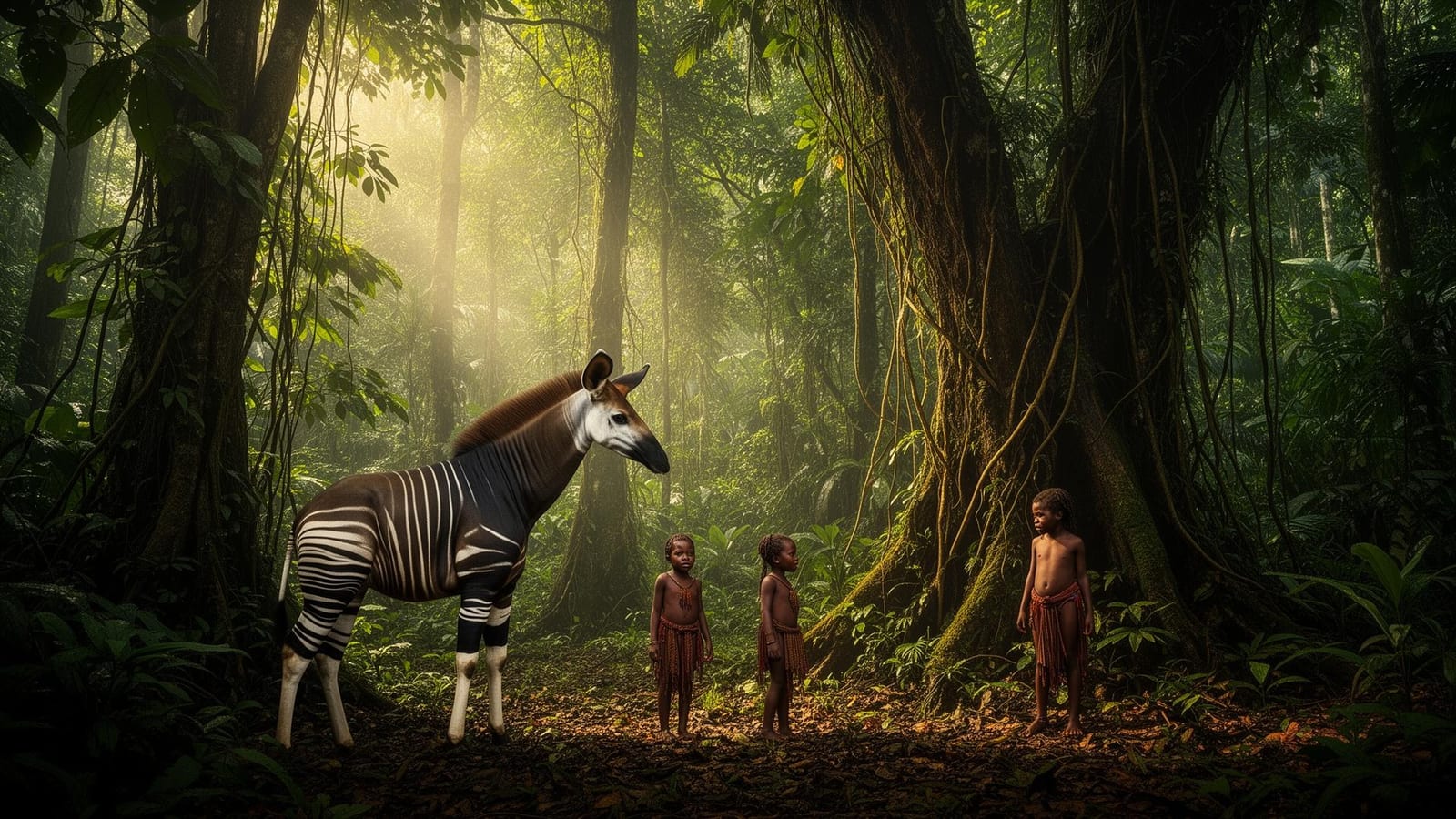
Ituri Province contains the legendary Ituri Forest, one of Africa's most biodiverse and culturally significant rainforests. The Okapi Wildlife Reserve, a UNESCO World Heritage site, protects the endemic okapi – found nowhere else on Earth. The forest is also home to the Mbuti (Bambuti) pygmy peoples, whose traditional knowledge of the forest spans millennia.
Key Highlights
- Okapi Wildlife Reserve – UNESCO World Heritage site
- Endemic okapi – the 'forest giraffe'
- Mbuti pygmy culture and forest traditions
- Extraordinary Ituri Forest biodiversity
- Forest elephant populations
Map & Location
Ituri Province lies in northeastern DRC, bordering Uganda and South Sudan. The province is dominated by the vast Ituri Forest, one of Africa's largest remaining tropical rainforests. The Okapi Wildlife Reserve occupies a significant portion of the eastern Ituri Forest, accessible from the provincial capital Bunia.
How to Get Here
- Flights to Bunia Airport from Entebbe (Uganda) and Goma
- Overland from Uganda via Mahagi border crossing
- Road access from Goma via Beni (security permitting)
- Internal road network to Epulu Conservation Station within the reserve
Nearby Landmarks
- Okapi Wildlife Reserve – UNESCO World Heritage Site
- Epulu Conservation Station – okapi research and rehabilitation center
- Uganda border – eastern edge of province
- Ituri Forest – one of Africa's largest tropical rainforests
- Albert Nile River – northern boundary
Nearby Attractions
1.5600°, 28.5700°
Explore Ituri's Territories
Discover the unique administrative territories within Ituri, each offering distinctive cultural experiences and community tourism opportunities.
Territories of Ituri
Explore the administrative territories within Ituri for community tourism and development opportunities.


Wildlife & Natural Highlights
Ecosystems, key species, and conservation significance in Ituri.
Ecosystems
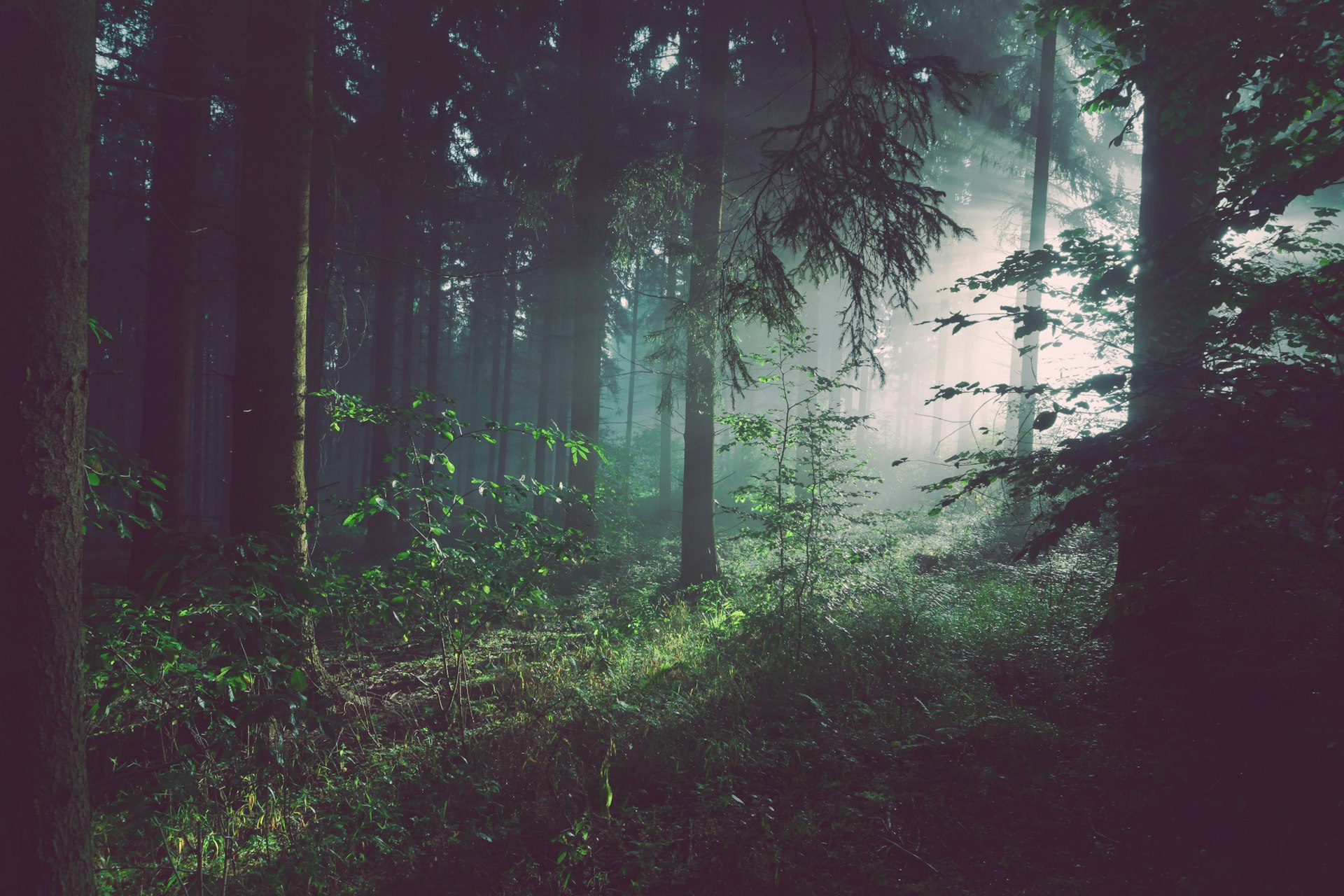
- Lowland tropical rainforest
- Swamp forest
- Secondary forest
- Riverine forest
- Forest clearings (bais)
Key Species
- Okapi (Okapia johnstoni) – endemic to DRC, the 'forest giraffe'
- Forest elephant (Loxodonta cyclotis)
- Eastern chimpanzee
- 13 primate species including mangabeys and colobus monkeys
- Forest buffalo
- Bongo antelope
- Congo peacock
- Over 370 bird species
Conservation Importance
The Okapi Wildlife Reserve is a UNESCO World Heritage Site protecting approximately 14,000 km² of the Ituri Forest. It shelters a significant population of the endemic okapi – estimated at 5,000 individuals, representing about a third of the world population. The reserve also protects one of the most important populations of forest elephants in Central Africa.
Top Attractions in Ituri
Nature, heritage, and iconic places to explore.
Okapi Wildlife Reserve
UNESCO site protecting the endemic okapi.
Ituri Forest
Legendary rainforest with extraordinary biodiversity.
Mbuti Communities
Traditional forest peoples with ancient knowledge.
Epulu Conservation Station
Okapi research and rehabilitation center.
Forest Elephant Tracking
Track elusive forest elephants.
Culture & Heritage
Cultural Identity
The Mbuti pygmies are among Earth's oldest continuous forest cultures, with profound spiritual and practical connections to the Ituri Forest.
Crafts & Art
Mbuti crafts include distinctive bark cloth painting with geometric patterns, woven nets for hunting, and forest instruments.
Cuisine
Forest foods dominate: wild honey, forest fruits, mushrooms, and game. Honey is particularly prized.
Music & Dance
Mbuti polyphonic singing is world-renowned for its complexity and beauty. Music accompanies hunting and gathering activities.
What to Respect
- Seek permission before visiting Mbuti communities
- Never photograph without explicit consent
- Support ethical cultural tourism initiatives
- Respect forest conservation rules
Signature Travel Experiences
Okapi Tracking Expedition
Multi-day expedition to encounter wild okapis.
Mbuti Cultural Immersion
Learn forest skills and traditions with Mbuti guides.
Epulu Station Visit
Visit the okapi research and care facility.
Ituri Forest Trek
Deep rainforest expedition.
Suggested Itineraries
Arrive Bunia
- Fly to Bunia
- Orientation
- Plan expedition
Enter Ituri
- Drive to forest edge
- Enter reserve
- Epulu station
Okapi Tracking
- Full day tracking
- Forest immersion
- Camp in forest
Deep Forest
- Continue exploration
- Mbuti encounter
- Forest skills
Return to Epulu
- Morning wildlife
- Return to station
- Sunset talk
Departure
- Morning departure
- Return to Bunia
- Fly out
Practical Travel Information
Best Time to Visit
- Dry season (December–February) for forest access
- June–August also possible
- Rainy season very challenging
Getting There
- Flights to Bunia from Entebbe or Goma
- Overland from Uganda
- Internal transfers by road
Health & Packing
- Yellow fever vaccination required
- Malaria prophylaxis essential
- Full rainforest gear
- Waterproof everything
Where to Stay
Comfort
Hotels in Bunia.
- Bunia Guesthouse
- Mission accommodations
Premium
Reserve lodges when available.
- Epulu station guesthouse
Expedition
Forest camps and simple shelters.
- Forest fly camps
- Station camping
FAQs about Ituri
Plan Your Visit
Discover guided tours, curated experiences, and responsible travel options available in Ituri.
Tell us your travel dates and style — we'll design a curated itinerary.
Conservation-first • Community impact • Ranger-led experiences • Verified guides