Kinshasa: Capital of the Democratic Republic of Congo
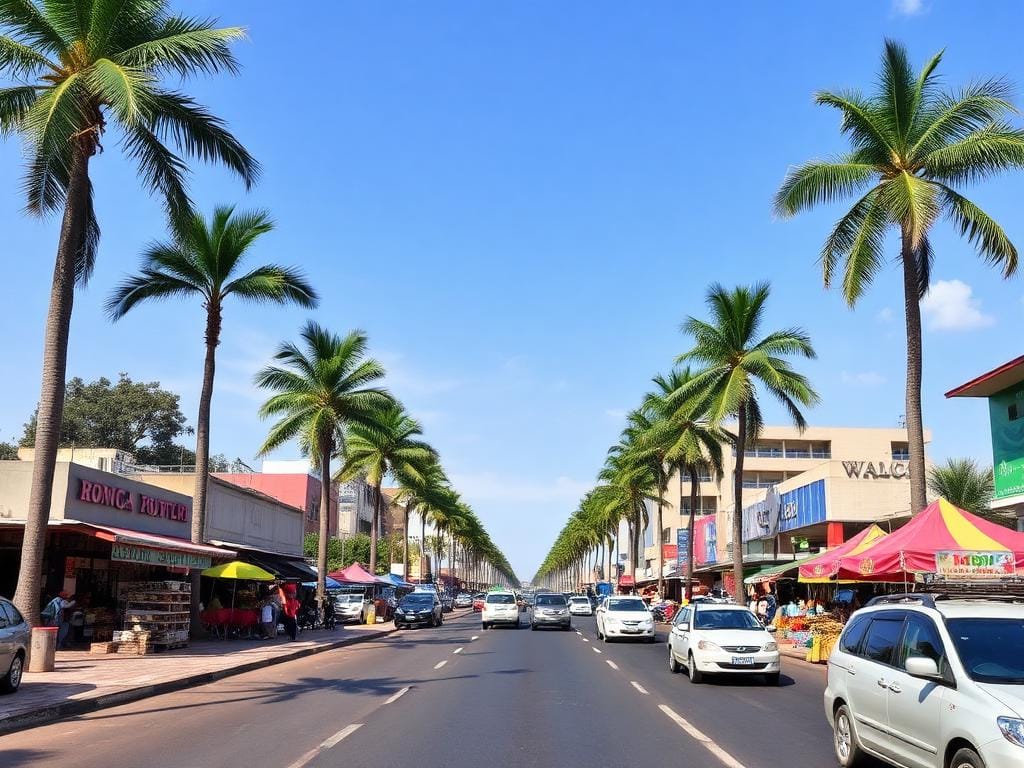
Kinshasa is the capital of the Democratic Republic of the Congo (DRC) and, with more than 17 million residents, the largest French-speaking city on Earth. Set on the south bank of the Congo River — directly opposite Brazzaville, capital of the neighbouring Republic of the Congo — Kinshasa is a pulsating hub of music, fashion, art and entrepreneurial energy.
Why Visit Kinshasa
Kinshasa is the beating cultural heart of Central Africa. It is the birthplace of Congolese rumba — now a UNESCO Intangible Cultural Heritage — and home to the legendary La Sape fashion movement. From the galleries of the Académie des Beaux-Arts to the Congo River waterfront, this city offers an intensity of experience found nowhere else on the continent.
Unlike East African capitals built for colonial administration, Kinshasa grew organically around Congolese creativity. The result is a city that rewards curious travellers with world-class music scenes, vibrant street food, and an art community gaining international recognition.
Tourism in Kinshasa at a Glance
- Where it is: south bank of the Congo River in western DR Congo, facing Brazzaville.
- Getting here: Kinshasa N’djili International Airport (FIH), about 25 km from the centre — see our airports guide.
- Language: French is official; Lingala is the everyday language of the city.
- Recommended stay: three to four days for the city, five to seven when adding the Congo River and Kongo Central.
- Best time to visit: the dry season, June to September — full detail in the best time to visit guide.
- Entry: most nationalities need a visa; apply through the DRC e-visa service.
Tourism in Kinshasa centres on culture rather than wildlife: live rumba, the La Sape fashion movement, contemporary art, riverside markets and the Congo River itself. Day trips reach Lola ya Bonobo sanctuary, the Zongo Falls and the Bombo-Lumene reserve. DRCTourism arranges guided city days, transfers, hotels and river excursions — start with the trip planner or browse Kinshasa tours.
Must-See Attractions
Live Rumba & Ndombolo Scene
Experience Congolese rumba live at legendary venues in Matonge and Bandal. Kinshasa's nightlife is the undisputed capital of African music.
Académie des Beaux-Arts
Central Africa's premier art institution, showcasing contemporary Congolese painting, sculpture, and installation art.
La Sape Culture
Meet the Sapeurs — Kinshasa's legendary dandies whose philosophy of elegance and dignity has captivated the global fashion world.
National Museum of the DRC
The country's principal museum with ethnographic collections, archaeological artefacts, and contemporary art exhibitions.
Marché de la Liberté
Kinshasa's largest market — a sensory explosion of spices, textiles, crafts, and street food. The real pulse of daily Congolese life.
Congo River Waterfront
Watch the world's second-most-powerful river flow between Kinshasa and Brazzaville — the only two national capitals directly facing each other.
Neighbourhoods to Explore
- Gombe — the administrative and diplomatic quarter with upscale hotels, restaurants, and the Boulevard du 30 Juin
- Matonge — the music and nightlife epicentre, named after the famous Congolese quarter in Brussels
- Kintambo — a creative hub with galleries, studios, and emerging food scene
- Ngaliema — residential hilltop district with panoramic views of the Congo River
- La Cité — the historic heart of Kinshasa with markets, street vendors, and authentic daily life
Food and Dining
Kinshasa's food scene reflects the Congo's extraordinary biodiversity. Look for pondu (cassava leaves with palm oil), liboke (fish steamed in banana leaves), grilled capitaine from the Congo River, and the ubiquitous fufu served with every meal. The city's restaurant scene ranges from street-side grills to rooftop dining overlooking the river.
Day Trips from Kinshasa
- Lola ya Bonobo Sanctuary — the world's only bonobo sanctuary, 30 minutes from the city centre
- Zongo Falls — a stunning 65-metre waterfall in Kongo Central province
- Brazzaville Ferry — cross the Congo River to the Republic of Congo's capital in 20 minutes
- Congo River Cruise — half-day and full-day boat excursions on the world's deepest river
Getting There and Around
Kinshasa's N'Djili International Airport (FIH) receives direct flights from Brussels, Paris, Istanbul, Nairobi, Addis Ababa, and Johannesburg. Airlines serving Kinshasa include Brussels Airlines, Air France, Turkish Airlines, Ethiopian Airlines, and Kenya Airways. From the airport, registered taxis and hotel transfers take 30–60 minutes to the Gombe business district.
Within the city, registered taxis, hotel-arranged drivers, and ride-hailing services are the recommended transport options. The river ferry to Brazzaville departs from the Beach Ngobila terminal.
Frequently Asked Questions
What is the capital of Congo?
Kinshasa is the capital of the Democratic Republic of the Congo (DRC). It is the country's largest city, with more than 17 million residents, and the largest French-speaking city in the world. Kinshasa sits on the south bank of the Congo River, directly opposite Brazzaville — the only two national capitals on Earth that face each other across a river.
Is Kinshasa the capital of the Republic of Congo or the DRC?
Kinshasa is the capital of the Democratic Republic of the Congo (often called DRC or Congo-Kinshasa). Brazzaville is the capital of the smaller Republic of the Congo (Congo-Brazzaville), located just across the river.
Is Kinshasa safe for tourists?
Yes — central neighbourhoods like Gombe, Kintambo, and Ngaliema are safe for tourists with standard urban precautions. Licensed guides and registered hotels operate throughout the city.
How many days should I spend in Kinshasa?
Three to four days is ideal — enough time for cultural sightseeing, a day trip to Lola ya Bonobo, and an evening of live rumba music.
What is the best time to visit Kinshasa?
The best time to visit is the dry season from June to September, when days are warm and rainfall is minimal. December to February is a second good window; the rainy months from October to May bring short, heavy afternoon downpours.
What currency is used in Kinshasa?
The Congolese Franc (CDF) is the official currency, but US Dollars are widely accepted in hotels, restaurants, and for larger transactions.