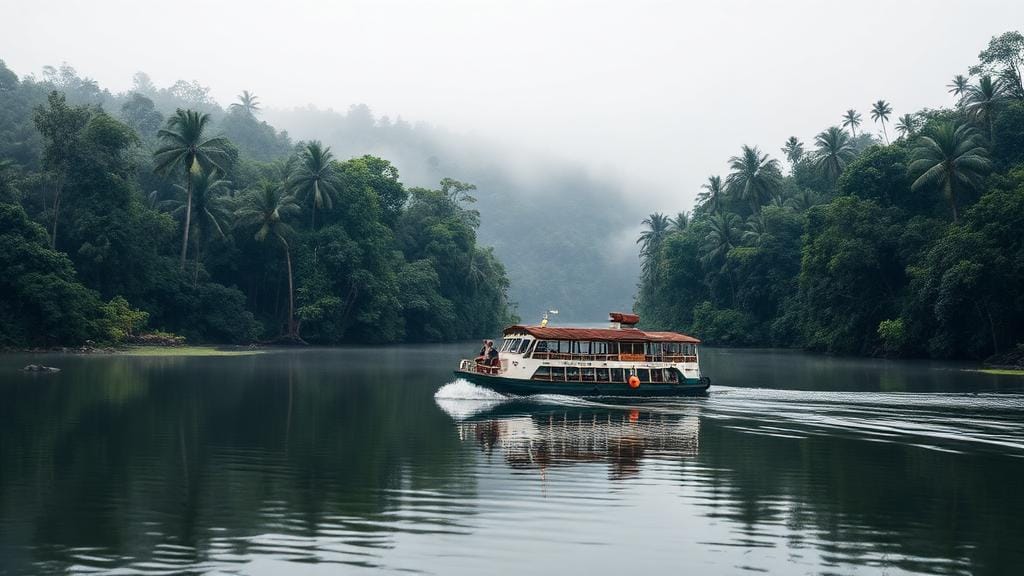
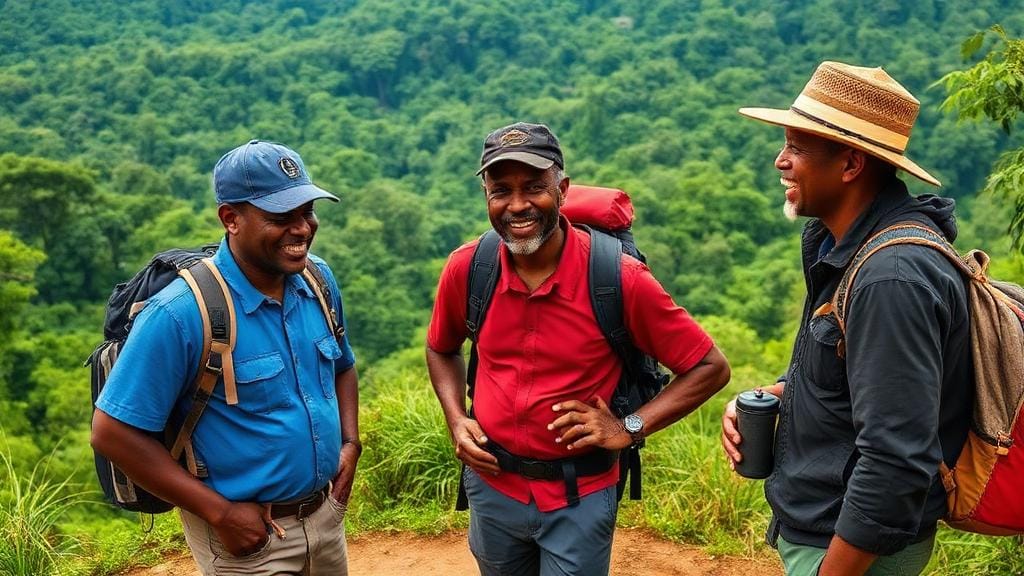
The honest answer is yes — but it depends on where you travel.
Like many large countries, the Democratic Republic of Congo (DRC) has regions that are peaceful and welcoming, while others require caution or should be avoided due to ongoing conflict.
Unfortunately, international headlines often focus only on conflict in the eastern provinces, creating the impression that the entire country is unsafe. This does not reflect the reality experienced across most of the country.
The DRC is enormous — larger than many people realize — and the vast majority of its territory is far from the areas affected by insecurity.
Understanding the Size of the Democratic Republic of Congo
One of the biggest misconceptions about the DRC is that a security incident in one province means the whole country is dangerous. The Democratic Republic of Congo covers 2,345,409 square kilometres (905,567 square miles), making it:
- The second-largest country in Africa (after Algeria) - Larger than France, Germany, Spain, Italy, Belgium, the Netherlands, Portugal, Switzerland, Austria and Luxembourg combined - About seven times the size of Germany - Roughly the size of Western Europe - Nearly four times larger than the U.S. state of Texas - Home to over 100 million people - Divided into 26 provinces - Home to more than 250 ethnic groups and hundreds of local languages
Travelling across the DRC is comparable to travelling across several European countries. Conditions, cultures, climates and landscapes vary significantly from one region to another.
The Conflict Is Not Across the Entire Country
When people hear about violence in the DRC, they are usually referring to parts of North Kivu, South Kivu, or Ituri in the far eastern part of the country. These areas have experienced insecurity involving armed groups for many years. However, these conflict zones represent only a small portion of the country's total land area. For example:
- Kinshasa, the capital city, is approximately 1,500–1,700 km from the main conflict areas in North Kivu. - Matadi is over 1,300 km away. - Kongo Central Province — beaches, waterfalls and historical sites — is hundreds of kilometres from the conflict zone. - Lubumbashi, the country's second-largest economic centre, is more than 900 km from the main conflict areas.
Just as conflict in one part of a large country does not make every region unsafe, the same principle applies to the DRC.
What About Ebola?
Many travellers still associate the DRC with Ebola outbreaks. The reality is far more reassuring. Past Ebola outbreaks have occurred in specific and isolated regions, mainly in parts of North Kivu, Ituri, and Équateur Province. They were not nationwide events.
For perspective, the major Ebola outbreaks in eastern DRC occurred around Beni and surrounding areas. Beni is approximately 1,600 km from Kinshasa — comparable to travelling from Paris to Athens or Berlin to Madrid.
The World Health Organization (WHO) and the Congolese Ministry of Health operate extensive surveillance systems, and outbreaks are closely monitored and contained. Tourist destinations such as Kinshasa, Kongo Central and Lubumbashi continued normal life during periods when isolated outbreaks occurred elsewhere.
Separate Media Narratives from Reality
International news naturally reports dramatic events. What is rarely shown is the daily life experienced by millions of Congolese across the country. Every day throughout much of the DRC:
- Businesses operate normally - Universities are open - Hotels welcome guests - Restaurants serve local and international cuisine - Markets are full of activity - Weddings and cultural festivals take place - Domestic flights connect major cities - Tour operators organise excursions - Families enjoy parks, rivers and recreational activities
Which Areas Are Popular with Tourists?
Kinshasa — the capital offers museums, live music, river cruises, fine dining, art galleries, business conferences, cultural experiences, fashion and nightlife. Read our complete guide: Discover Kinshasa: What to See, Eat and Experience.
Kongo Central — one of the safest and most visited provinces. Highlights include Zongo Falls, Inkisi Falls, Atlantic Ocean beaches, mangroves, historical monuments, the Livingstone Route, Banana beaches and Mbanza-Ngungu caves. Explore: Kongo Central destination guide.
Virunga National Park — Africa's oldest national park, home to mountain gorilla trekking, chimpanzee encounters, bird watching and volcano landscapes. Access depends on the current security assessment by park authorities. Read: Complete Virunga & Gorilla Trekking Guide.
Lake Kivu — when conditions permit, Lake Kivu offers scenic boat trips, luxury lakeside hotels, coffee experiences, relaxation and photography. See: Lake Kivu travel guide.
Lubumbashi — the economic capital offers mining heritage, wildlife reserves, museums, excellent restaurants, business tourism and modern hotels. See: Lubumbashi guide.
Why Travel with a Local Tour Operator?
Travelling with an experienced local operator significantly improves both safety and the quality of your trip. Professional guides provide real-time security updates, knowledge of safe routes, airport assistance, local language support, cultural interpretation, emergency contacts, reliable transportation, and access to trusted accommodation. At DRCTOURISM we work with carefully selected accredited operators to help visitors explore the country responsibly.
Practical Safety Tips
- Book with licensed tour operators - Follow local advice and official travel advisories - Avoid displaying expensive jewellery or large amounts of cash - Carry copies of your passport and important documents - Use reputable transportation services - Purchase comprehensive travel insurance - Respect local customs and traditions - Dress appropriately when visiting villages and religious sites - Ask permission before photographing people - Keep emergency contact numbers accessible
Is It Safe to Travel Alone?
Solo travel is possible in some destinations, particularly major cities. However, first-time visitors are strongly encouraged to travel with an organised tour or trusted local guide. This offers better logistics, greater security, easier communication, richer cultural experiences, and access to places independent travellers may struggle to reach.
Our Commitment to Responsible Tourism
DRCTOURISM does not promote unsafe travel. We continuously monitor official government advisories, park authority updates, local partner reports, weather conditions, road accessibility and health advisories. If an area is not considered suitable for tourism, we recommend alternative destinations.
The Bottom Line
The DRC is not a country that can be described with a single word such as "safe" or "unsafe." It is a vast nation covering more than 2.3 million square kilometres, with diverse regions, climates, cultures and travel experiences. While some areas in the far east continue to face security challenges, the majority of the country's territory lies far from these conflict zones. Millions of Congolese live, work and travel safely every day across provinces that are peaceful, vibrant and welcoming. With careful planning, reliable local guidance and responsible travel practices, visitors can discover one of Africa's most spectacular destinations.
Explore More with DRCTOURISM
- Discover Kinshasa: What to See, Eat and Experience - Top Places to Visit in the DRC - Complete Gorilla Trekking Guide - Travel Requirements for Visiting the DRC - Best Time to Visit the DRC - Virunga National Park Guide - Travel Advisories - Plan Your Trip
Ready to discover the heart of Africa? Contact the DRCTOURISM team to start planning a safe, authentic and unforgettable journey through the Democratic Republic of Congo.