
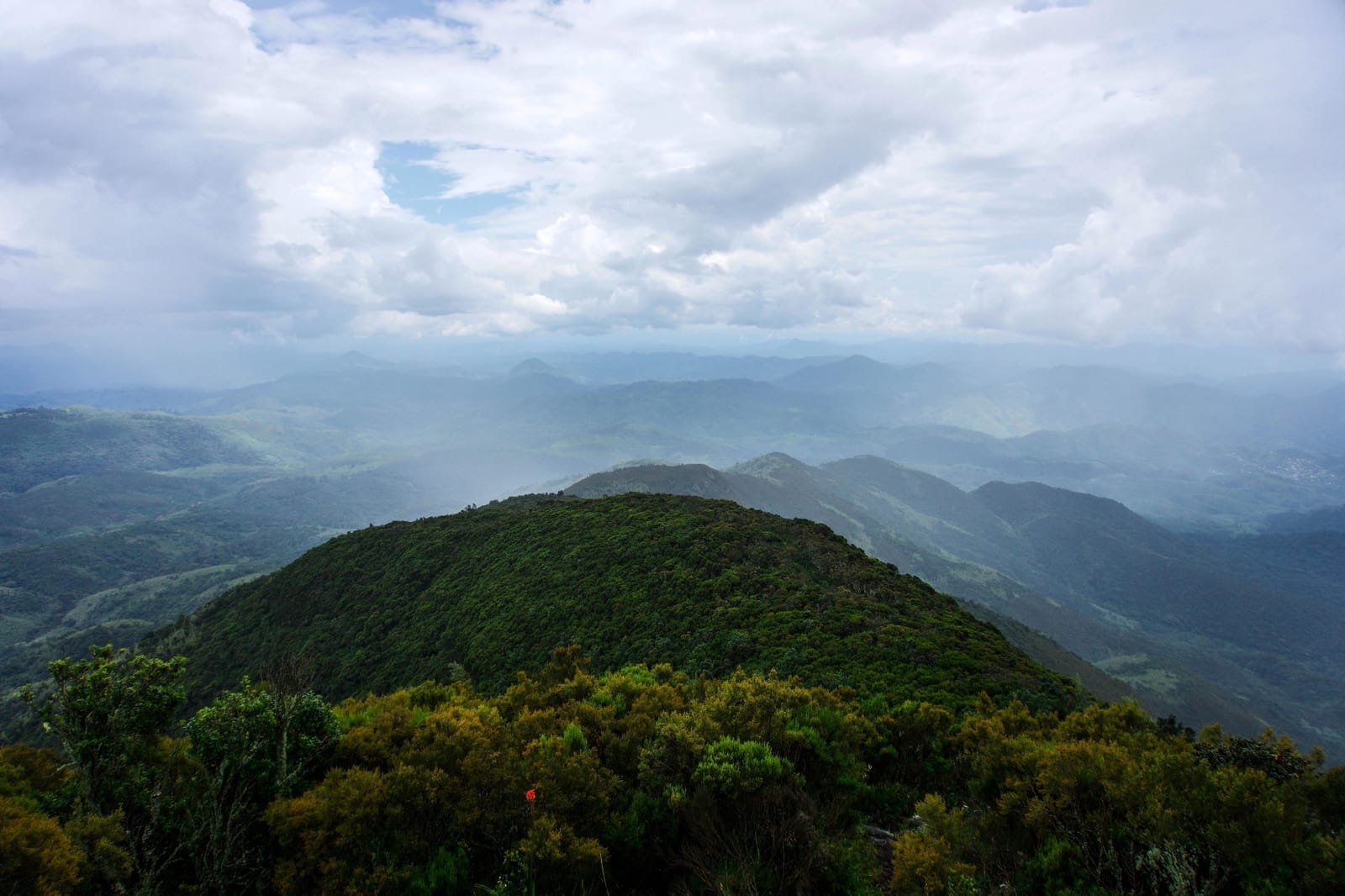
Key Highlights
Part of the Great Rift Valley
Mountains rising directly from the lake
Montane forests, cliffs, and deep valleys
Influences local climate and biodiversity
Natural barrier shaping regional air corridors
Spectacular sunrise and sunset viewpoints
Why Visit Mitumba Mountains
The Mitumba Mountains form a dramatic mountain chain in Tanganyika Province, beginning directly on the shores of Lake Tanganyika near Kalemie. This range is part of the western branch of the Great Rift Valley, creating one of the most striking landscapes in Central Africa—where steep mountains emerge straight from the lake, forming a natural wall so high and rugged that aircraft routes avoid flying directly above certain peaks. Mitumba is an exceptional destination for mountain eco-trekkers, landscape photographers, adventure travelers, researchers, and conscious explorers seeking untouched nature.
Ready to explore Mitumba Mountains?
Our travel experts can craft a personalized itinerary for your Congo adventure.
Activities & Experiences
Best Time to Visit
May to October for best trekking conditions.
Travel Tips
Fly to Kalemie Airport. Short road transfer to mountain foothills. Trekking access with certified local guides. All visits organized through DRCTourism.com. Contact info@drctourism.com | +243 815 955 963
Location
-5.7000°, 29.1000°
Map integration coming soon
Last updated: February 2026
Reviewed by DRCTourism Research Team — Destinations & Conservation Division