The Democratic Republic of Congo (DRC) is one of the world's most misunderstood destinations. Western media coverage focuses almost entirely on conflict zones in the far east, creating the impression that the entire country — an area the size of Western Europe — is unsafe. The reality on the ground is very different. For travellers visiting established tourism destinations with licensed operators, the DRC is safe, well-organised, and one of the most rewarding wildlife and cultural journeys in Africa.
This guide gives you a clear, evidence-based answer to the question on every traveller's mind: is it safe to visit the DRC in 2026?
The Short Answer
Yes — the DRC is safe for tourists when you travel with a licensed operator to established tourism destinations. The country's recognised tourism corridors (Virunga National Park, Kahuzi-Biega, Kinshasa, Lola ya Bonobo Sanctuary, Nyiragongo Volcano, the Congo River, Garamba, Upemba and Kongo Central) operate under dedicated security infrastructure, ICCN ranger escorts, and professional guides. Tens of thousands of international visitors trek mountain gorillas, climb active volcanoes, and explore Kinshasa every year without incident.
Understanding the Real Security Landscape
The DRC spans 2.34 million km² across 26 provinces. Active conflict is geographically isolated to specific zones in parts of North Kivu, South Kivu, and Ituri provinces — areas that are not on any tourism itinerary. The remaining 23 provinces, including all major tourism corridors, have been peaceful for years.
- National park rangers — Virunga National Park alone employs over 700 rangers, many with military training, who actively secure all tourism routes and gorilla habituation zones
- ICCN (Institut Congolais pour la Conservation de la Nature) — the national parks authority coordinates with MONUSCO peacekeeping forces and local police across protected areas
- Licensed tour operators — vetted companies provide end-to-end logistics including airport transfers, armed escorts where required, satellite communication, and 24/7 emergency support
- International conservation partners — Virunga Alliance, Frankfurt Zoological Society, Wildlife Conservation Society, and African Parks fund and reinforce on-the-ground security
Which Regions of the DRC Are Safe for Tourism?
The following destinations have established tourism infrastructure, receive international visitors year-round, and are recommended for travellers in 2026:
- Kinshasa — the capital is a vibrant, cosmopolitan city of 17 million. Standard urban precautions apply, similar to Lagos, Nairobi, or Johannesburg. Hotels in Gombe, La Cité du Fleuve, and Limete are safe and well-served. See our Kinshasa travel guide for neighbourhood detail
- Virunga National Park — operates a dedicated security corridor from Goma to park headquarters at Rumangabo. Every visitor is escorted by armed rangers. Gorilla trekking has run continuously with an excellent visitor safety record. Read our Virunga National Park guide
- Kahuzi-Biega National Park — home to the world's only habituated eastern lowland gorillas, accessible from Bukavu with full ranger support
- Lola ya Bonobo Sanctuary — 30 minutes from Kinshasa, this is the safest and most accessible primate experience in the country
- Nyiragongo Volcano — overnight summit treks operate with full ranger escorts and purpose-built summit cabins overlooking the world's largest lava lake
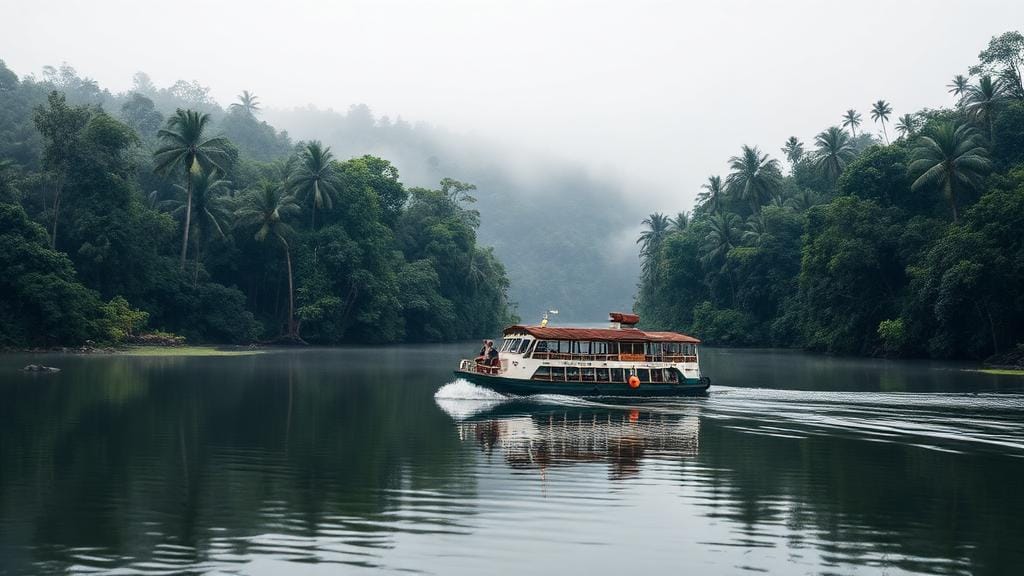
- Congo River cruises — multi-day expeditions on fully provisioned vessels with experienced crew along established river routes between Kinshasa and Mbandaka
- Garamba National Park — a flagship rewilding project in the north-east managed by African Parks, accessible by charter flight with luxury tented camps
- Upemba and Kundelungu National Parks — pristine miombo woodlands in Haut-Katanga with structured ranger-led safaris
- Kongo Central Province — Atlantic coast, Inga Falls, and the historic Kongo Kingdom heritage trail
Travel Advisories vs. Reality on the Ground
Most Western governments issue blanket travel advisories for the DRC that do not distinguish between conflict zones and tourism corridors. These advisories are written for liability reasons and apply country-wide regardless of local conditions.
- The UK Foreign, Commonwealth & Development Office, while advising against travel to specific eastern border areas, acknowledges that most visits to the DRC are trouble-free
- Specialist tour operators with decades of continuous operation maintain impeccable safety records
- Comprehensive travel insurance — including medical evacuation cover — is available for the DRC from specialist providers, a clear signal that the risk is well-understood and manageable
- Major hotel groups (Pullman, Hilton-managed properties, Fleuve Congo) operate continuously in Kinshasa
How Licensed Operators Keep You Safe
A reputable DRC tour operator will: 1. Provide a written pre-trip security briefing tailored to your itinerary 2. Arrange every transfer with vetted drivers and inspected vehicles 3. Coordinate in real time with ICCN, park authorities, and local security forces 4. Provide armed ranger escorts on all national park treks and excursions 5. Carry satellite communication equipment in remote areas where mobile networks are weak 6. Maintain documented evacuation protocols and 24/7 medical support 7. Continuously monitor regional security conditions and adjust routes proactively
Always verify your operator is licensed by the DRC Ministry of Tourism and registered with ICCN for park access. Browse our vetted travel experiences for fully licensed itineraries.
Health and Medical Considerations for 2026
- Yellow fever vaccination is mandatory — your International Certificate of Vaccination must be presented on arrival
- Malaria prophylaxis is strongly recommended for all visitors; consult your travel clinic 4–6 weeks before departure
- Routine vaccinations (Hepatitis A, Typhoid, Tetanus) should be up to date
- Travel insurance with medical evacuation cover is non-negotiable
- Drinking water — use sealed bottled or filtered water throughout your trip
- Major hotels in Kinshasa and Goma have access to international-standard medical facilities and air-evacuation partners (AMREF, SOS International)
For a complete pre-trip health checklist, see our Health & Safety planning guide.
What Experienced Travellers Report
Visitors who have trekked gorillas in Virunga, summited Nyiragongo, cruised the Congo River, or explored Kinshasa consistently report feeling safe and well-supported. The most common surprise? How welcoming Congolese people are to international visitors. The DRC has a deep tradition of hospitality, and tourists are received as honoured guests across every province.
Practical Safety Tips
- Always travel with a licensed tour operator — independent travel to national parks is not permitted
- Register with your embassy before travelling
- Keep digital and physical copies of your passport, visa, and yellow fever certificate
- Follow your guide's instructions at all times — they know the terrain
- Avoid displaying expensive electronics, jewellery, or large amounts of cash in public
- Use hotel safes for valuables and travel documents
- Stay on marked trails inside national parks
- Carry your guide's phone number and the local emergency contact
- Respect photography rules near government buildings, airports, and military installations
Frequently Asked Questions
Is it safe to trek gorillas in the DRC in 2026? Yes. Gorilla trekking in Virunga National Park and Kahuzi-Biega National Park operates with armed ICCN ranger escorts and an excellent multi-decade safety record for tourists.
Do I need a guide to visit the DRC? Yes. All national park visits require a licensed guide, and this is enforced by ICCN. Independent overland travel to parks is not permitted. Your tour operator arranges everything end-to-end.
Is Kinshasa safe for tourists? Kinshasa is a major African capital with the same urban safety considerations as Lagos, Nairobi, or Johannesburg. Staying in established hotels (Gombe and Limete), using reputable transport, and following common-sense precautions will keep you safe.
What about Ebola and other disease outbreaks? Historical Ebola outbreaks in the DRC have been geographically localised to specific health zones in remote eastern areas, and have never affected established tourism corridors. Tour operators monitor WHO bulletins continuously and adjust itineraries as needed.
Is travel insurance available for the DRC? Yes. Specialist providers including World Nomads, Global Rescue, and SafetyWing offer comprehensive cover for the DRC including medical evacuation. Standard policies often exclude the DRC, so confirm coverage in writing before travelling.
Can I travel solo in the DRC? You can travel solo, but you must still book through a licensed operator. Many solo travellers join small group departures for gorilla trekking and Nyiragongo treks.
What is the best time of year to visit safely? The dry seasons (June–September and December–February) offer the easiest trekking conditions and most reliable road and air travel. See our best time to visit DRC guide for month-by-month detail.
How does DRC safety compare to neighbouring countries? For tourism corridors, the DRC's safety record is comparable to Uganda and Rwanda. The difference is perception, not reality — international media coverage shapes a narrative that doesn't reflect the experience of visitors to gorilla parks and Kinshasa.
Do I need a visa to visit the DRC, and is the process safe? Yes. Most nationalities require a tourist e-visa, which is issued by the Direction Générale de Migration (DGM) and processed online before travel. The process is straightforward when handled through your licensed operator or a recognised visa-handling service. See our step-by-step DRC visa guide for current requirements, fees, and processing times.
Is the DRC safe for women travellers and solo female tourists? Yes. Women travellers — both in groups and solo — regularly visit Virunga, Kahuzi-Biega, Nyiragongo, and Kinshasa without incident. Standard precautions apply: dress modestly in cities and rural areas, avoid walking alone at night, and stay with your guide on all excursions. Many operators offer female guides on request, and lodges have private secure accommodation.
Can I use ATMs, credit cards, and US dollars in the DRC? US dollars (clean, post-2013, undamaged notes) are widely accepted in hotels, parks, and tour bookings. Congolese francs (CDF) are used for everyday purchases. ATMs operate in Kinshasa, Goma, Lubumbashi, and Bukavu — Equity BCDC and Rawbank are the most reliable networks. Visa is more widely accepted than Mastercard at international hotels. Always carry cash backup for remote areas like Virunga and Garamba where card payment is unavailable.
What should I do if there is political unrest or a protest during my trip? Licensed operators monitor security in real time and will reroute or postpone activities if conditions change. If unrest occurs, stay inside your hotel, follow your guide's instructions, avoid filming protests, and contact your embassy. The DRC's tourism corridors are geographically isolated from the few areas where protests typically occur, so disruption to a tourist itinerary is rare.
Is there reliable mobile coverage and internet in the DRC? Yes, in cities and most tourism hubs. Vodacom, Airtel, and Orange offer 4G in Kinshasa, Goma, Bukavu, Lubumbashi, and along major routes. SIM cards are inexpensive and easy to buy on arrival with your passport. Inside national parks (Virunga, Garamba, Salonga) coverage is limited to satellite communication carried by your guides — plan for offline periods.
What clothing and gear should I pack for safe travel in the DRC? Lightweight, neutral-coloured clothing for daytime, long sleeves and trousers for evenings (mosquito protection), waterproof hiking boots for gorilla trekking and Nyiragongo, a warm fleece for the volcano summit (temperatures drop near freezing), a wide-brimmed hat, and a sturdy daypack. Avoid camouflage clothing — it is reserved for military use and may cause issues at checkpoints.
The Bottom Line
The DRC is not a mainstream package-holiday destination. It is an expedition-style adventure for travellers who want something authentic, raw, and extraordinary — the original Africa, before mass tourism. With a licensed operator, proper preparation, and realistic expectations, it is one of the safest and most rewarding wildlife destinations on the continent. The mountain gorillas, the active volcanoes, the Congo River, the bonobos, and the warmth of Congolese hospitality are worth every moment of planning.
Ready to explore? Browse our curated travel experiences, plan your Congo journey with expert guidance, or read our DRC visa guide and complete cost breakdown to start preparing.