Kinshasa: Complete Travel Guide to Congo's Capital City
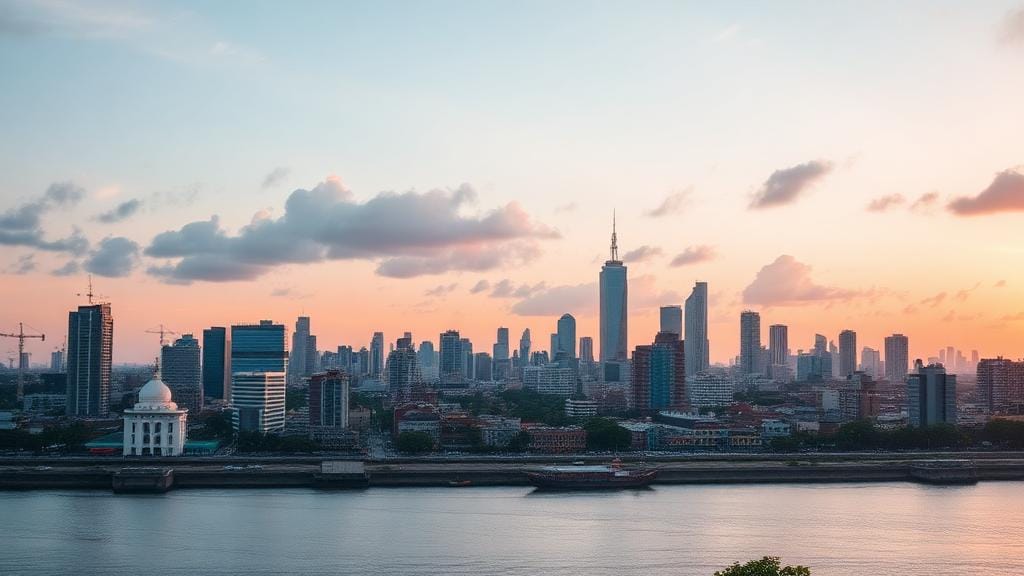
Kinshasa is the capital and largest city of the Democratic Republic of the Congo, home to roughly 17 million people and the largest French-speaking city in the world. It sits on the south bank of the Congo River, directly facing Brazzaville — the only two national capitals on Earth that look at each other across a river. Travellers come for Congolese rumba, the La Sape fashion movement, riverside markets, the Lola ya Bonobo sanctuary and one of Africa's most energetic nightlife scenes.
Quick answers about Kinshasa
- Where is Kinshasa? Western DR Congo, on the Congo River, opposite Brazzaville. - What country is Kinshasa in? The Democratic Republic of the Congo (DRC / Congo-Kinshasa), not the Republic of the Congo. - Population: around 17 million — the largest city in Central Africa. - Language: French is official; Lingala is the everyday language of the streets. - Is Kinshasa worth visiting? Yes, for music, art, food and river culture found nowhere else — with a guide and standard city precautions. - Is Kinshasa safe for tourists? Central districts such as Gombe are routinely visited with a local guide; avoid walking at night, keep valuables out of sight and use pre-arranged transport. - How much does a trip to Kinshasa cost? Mid-range hotels typically run US$120–250 a night, a guided city day is around US$150–250, and meals range from US$5 street food to US$40 riverside dining. - How many days do you need in Kinshasa? Two to three days covers the museum, riverfront, art studios, Lola ya Bonobo and a night of live rumba.
Kinshasa is loud, creative, stylish, and deeply human — the beating heart of the Democratic Republic of Congo.
Kinshasa At A Glance
- Country: Democratic Republic of the Congo (DRC) - Languages: French (official) and Lingala (everyday city language) - Currency: Congolese franc (CDF); US dollars are widely accepted for larger payments - Airport: N'djili International Airport (FIH), about 25 km east of the centre - Best time to visit: the drier months of June to September - Entry: most visitors need a visa — see our DRC e-visa and Congo tourist visa guide
Top Things To Do In Kinshasa
- Watch the sun set over the Congo River — the riverfront in Gombe faces Brazzaville, the only place on earth where two capitals look at each other across water.
- Musée National de la RDC (National Museum) — a modern, well-curated introduction to Congolese art, masks and history before you travel further inland.
- Lola ya Bonobo — the world's only bonobo sanctuary, roughly an hour from the centre; read the Lola ya Bonobo sanctuary guide.
- Académie des Beaux-Arts — working studios where Kinshasa's sculptors and painters sell directly to visitors.
- Live rumba and ndombolo — Kinshasa invented Congolese rumba, now on UNESCO's intangible heritage list; live bands play most nights in Bandal and Matonge.
- Marché de la Liberté and Marché Central — fabric, wax print tailoring, spices and street food, best visited in the morning with a guide.
- Symphonie des Arts and the gallery circuit — contemporary Congolese art, design and fashion.
Neighbourhoods To Know
- Gombe — embassies, hotels, riverside restaurants and most business travel. - Matonge — nightlife, bars and the sound of the city after dark. - Bandal — music venues, tailors and everyday Kinshasa life. - Limete — the Échangeur monument and wide boulevards.
Gombe In Focus: Where Most Visitors Base Themselves
Gombe is the safest, most walkable district for visitors and the practical base for a first trip to Kinshasa. A few grounded recommendations our team uses with every guest:
- Stay near Boulevard du 30 Juin — the city's main artery. Major hotels such as the Pullman Kinshasa Grand Hotel and the Fleuve Congo Hotel sit here, both with pools, guarded entrances and driver services that simplify airport transfers and evenings out. - Walk the Gombe riverfront at sunset — the promenade facing Brazzaville is where the city gathers in the cooler hours. Riverfront grills serve fresh tilapia and poulet braisé; agree prices before you sit down. - Eat along Boulevard du 30 Juin and Avenue de la Nation — this corridor concentrates the city's most visitor-friendly restaurants: Congolese moambe and liboke, Lebanese grills, and French-style bistros left from the business-district lunch trade. Lunch is the best-value meal in Gombe. - Visit the Kinshasa Golf Club — a surprising pocket of green in central Gombe, and a quiet way to spend a morning before the heat. - See Place de la Gare — the landmark train station area marks the western edge of Gombe and is a good orientation point before exploring further into Bandal or Matonge with a guide.
Gombe is best explored on foot by day and by pre-arranged car after dark.
What To Eat
Ask for poulet moambe (chicken in palm-nut sauce), liboke (fish steamed in leaves), fufu or chikwangue (cassava), pondu (cassava leaves), makayabu (salt fish) and grilled tilapia from the riverside grills. Wash it down with a local Primus or a ginger *tangawisi*.
Getting Around
Traffic is heavy between 7–9am and 4–7pm. Use a hotel car or a pre-arranged driver rather than hailing on the street, keep small CDF notes for tolls and tips, and allow 60–90 minutes for the airport run at peak times.
Practical Safety Tips (Updated for 2026)
- Base yourself in Gombe, the diplomatic and business district; it has the strongest hotel security and is where the vast majority of visitors stay without incident. - Carry a copy of your passport and visa; keep the original secured at your hotel — police checks are routine and copies with your visa page are normally accepted. - Photograph people only with permission, and never photograph government buildings, bridges, the airport, military or police. - Use a guide for markets and after-dark outings; Kinshasa rewards local knowledge more than almost any African capital. - Agree taxi or driver prices before you set off; use hotel cars or pre-arranged drivers rather than hailing on the street. - Keep phones and jewellery out of sight in traffic; petty phone-snatching from car windows is the most common complaint in busy areas. - Check your government's latest travel advice before booking and register with your embassy on arrival — our is it safe to visit the DRC guide covers the country-wide picture in detail.
Kinshasa Is More Than a Capital City
Kinshasa is one of Africa's largest and most dynamic cities, home to an estimated 17 million people. Located on the banks of the mighty Congo River, it stands directly opposite Brazzaville, making it one of the few places in the world where two national capitals face each other across a river.
This is a city of contrasts where modern buildings stand beside traditional neighborhoods, where luxury restaurants coexist with bustling street markets, and where music can be heard on nearly every corner.
Kinshasa is not simply a destination—it is an experience that stimulates every sense.
Why Kinshasa Matters
Kinshasa is the political, economic, artistic, and cultural capital of the Democratic Republic of Congo.
The city is internationally recognised for:
- One of Africa's largest metropolitan areas - The birthplace of world-famous Congolese rumba - A leading centre for African fashion and creativity - Home to internationally renowned artists, musicians, writers and designers - Headquarters of the national government - Gateway to exploring the rest of the DRC - A growing business and investment destination - One of Africa's most energetic nightlife capitals
Visitors quickly discover that Kinshasa is a city powered by creativity and resilience.
The Spirit of Kinshasa
Life in Kinshasa happens outdoors.
People gather in cafés, neighbourhood bars, music venues, markets and along the Congo River. Conversations are lively, hospitality is genuine, and strangers often become friends over a shared meal or a glass of fresh juice.
The city's famous energy comes from its people.
Kinshasa's residents are known for their warmth, humour, entrepreneurial spirit and optimism.
What to See
The Congo River
The Congo River is the city's defining feature.
As the second-largest river in the world by discharge, it shapes life in Kinshasa.
Visitors can enjoy:
- River cruises - Sunset boat trips - Local fishing communities - Riverfront restaurants - Beautiful sunset photography - Views of Brazzaville across the water
Watching daily life unfold along the river offers one of the most authentic experiences in the city.
Lola ya Bonobo Sanctuary
Just outside Kinshasa lies one of Africa's most important wildlife conservation projects.
Lola ya Bonobo is the world's only sanctuary dedicated exclusively to orphaned bonobos, one of humanity's closest relatives.
Visitors learn about conservation while observing these remarkable primates in a protected natural environment.
National Museum of the DRC
The National Museum showcases thousands of years of Congolese history.
Collections include:
- Traditional masks - Royal artefacts - Musical instruments - Sculptures - Ceremonial objects - Historic photographs
It provides an excellent introduction to the country's extraordinary cultural diversity.
Académie des Beaux-Arts
Kinshasa has one of Africa's most respected art schools.
Visitors can meet artists, purchase original paintings, discover sculptures, and experience contemporary Congolese creativity firsthand.
Every artwork tells a story of modern Congo.
Local Markets
Markets are among the city's greatest attractions.
Explore colourful stalls selling:
- Handmade crafts - Fabrics - Jewellery - Fresh tropical fruits - Traditional medicines - Wood carvings - Paintings - Congolese fashion
Shopping here is an adventure filled with colour and conversation.
Music: The Soul of Kinshasa
Kinshasa is considered one of the world's great music capitals.
It gave birth to legendary musicians who shaped African music across generations.
Music is everywhere:
- Live bands - Churches - Weddings - Festivals - Restaurants - Street performances - Family celebrations
Styles include:
- Congolese Rumba - Soukous - Ndombolo - Gospel - Afro Fusion - Jazz - Hip-Hop - Traditional rhythms
For many visitors, experiencing live music becomes the highlight of their trip.
Fashion Capital of Central Africa
Kinshasa has earned an international reputation for style.
Fashion is an expression of confidence, dignity and creativity.
The city is famous for:
- Tailor-made suits - Colourful wax prints - Luxury fashion boutiques - Contemporary African designers - Street fashion - Elegant evening wear
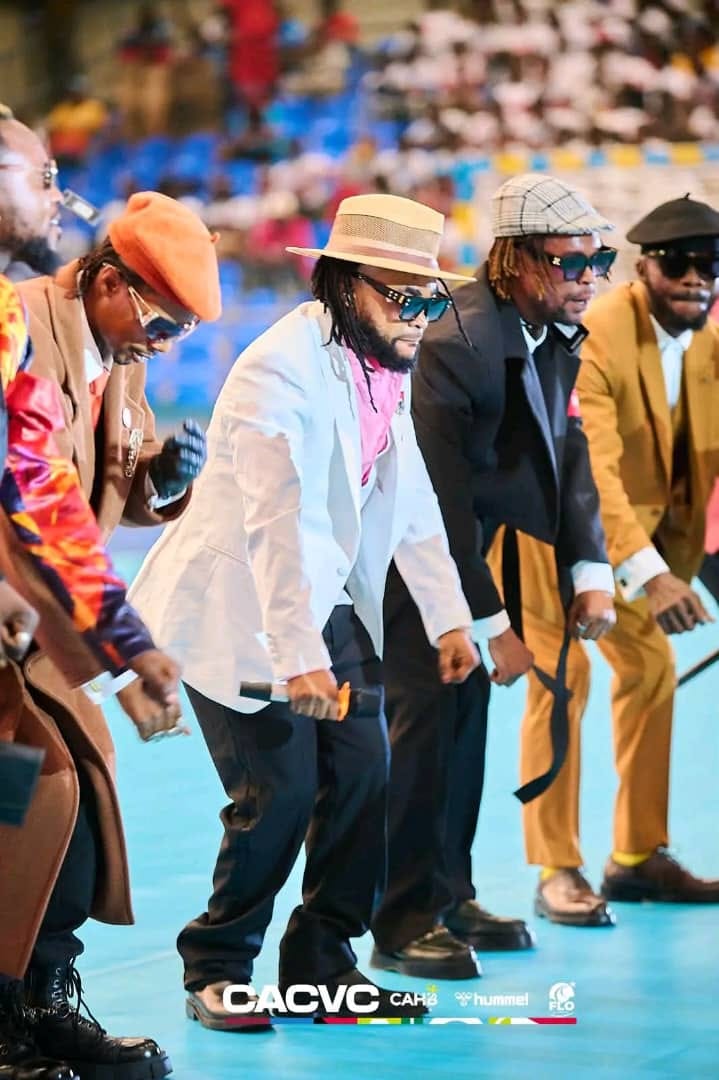
The famous Sapeurs represent one of the world's most unique fashion movements, celebrating elegance, colour and personal expression.
Congolese Cuisine
Food in Kinshasa reflects the country's cultural richness.
Popular dishes include:
- Pondu: Cassava leaves slowly cooked with palm oil, vegetables and spices. - Fufu: Soft cassava dough traditionally eaten with sauces. - Liboke: Fish or chicken wrapped in banana leaves and steamed with herbs. - Makemba: Sweet fried plantains served alongside many dishes. - Grilled Congo River Fish: Fresh tilapia, capitaine and other local fish grilled over charcoal. - Moambe Chicken: One of Congo's signature dishes made with rich palm nut sauce. - Chikwangue: Fermented cassava wrapped in leaves, commonly served with grilled meat or fish.
Tropical Fruits
Enjoy fresh:
- Mangoes - Pineapples - Papayas - Avocados - Passion fruit - Bananas - Sugar cane
Fresh fruit juices are available throughout the city.
Coffee and Local Drinks
The DRC produces excellent coffee.
Visitors can also enjoy:
- Fresh ginger juice - Hibiscus juice - Tamarind drinks - Palm wine (in traditional settings) - Fresh sugar cane juice
Nightlife & Entertainment
Kinshasa transforms after sunset.
The city offers:
- Live rumba performances - Jazz clubs - Rooftop lounges - Riverfront bars - Dance clubs - Open-air concerts - Cultural performances - VIP nightlife experiences
Many venues stay lively until the early hours of the morning.
Sports & Recreation
Football is deeply woven into Kinshasa's identity.
Visitors may enjoy:
- Local football matches - Basketball courts - River activities - Fitness clubs - Cycling groups - Weekend sporting events
Football clubs inspire enormous local pride.
Shopping
Visitors can purchase authentic Congolese products including:
- Traditional masks - Handmade baskets - Sculptures - Paintings - Precious stones (from licensed dealers) - Wax print clothing - Leather goods - Jewellery - Musical instruments
Buying directly from local artisans helps support the creative economy.
Best Time to Visit
Kinshasa can be visited year-round.
The dry seasons are generally considered the most comfortable:
- June to September - December to February
These months are ideal for sightseeing and outdoor activities.
Practical Travel Tips
- French is the official language, while Lingala is widely spoken. - The Congolese Franc (CDF) is the local currency, although US dollars are commonly accepted in many hotels and businesses. - Lightweight clothing is recommended due to the tropical climate. - Always carry bottled drinking water. - Respect local customs when visiting religious or traditional sites. - Ask permission before photographing people. - Hiring a knowledgeable local guide greatly enhances the experience.
Why Visit Kinshasa?
Kinshasa is a destination unlike any other.
It is a city where music never stops, creativity flourishes, fashion becomes art, and every conversation offers a glimpse into one of Africa's richest cultures.
Whether you are a cultural explorer, business traveller, photographer, foodie, music enthusiast or adventurer, Kinshasa promises unforgettable memories.
Come with curiosity. Leave with stories that will stay with you for a lifetime.
Kinshasa FAQ
What is the capital of the Democratic Republic of the Congo? Kinshasa. It is the country's political, economic and cultural capital, and the largest city in the DRC with about 17 million residents.
Is Kinshasa the capital of Congo or Congo-Brazzaville? Kinshasa is the capital of the Democratic Republic of the Congo. Brazzaville, on the opposite bank of the river, is the capital of the neighbouring Republic of the Congo.
How many days do you need in Kinshasa? Three to four days: two for the city itself, one for Lola ya Bonobo or a Congo River trip, and one evening for live rumba.
Is Kinshasa safe for tourists? Central districts such as Gombe, Ngaliema and Kintambo are used daily by visitors and business travellers. Use a pre-arranged driver, avoid photographing official buildings, and go out at night with a local guide.
What is Kinshasa famous for? Congolese rumba (UNESCO intangible heritage), the Sapeurs and La Sape fashion, the 1974 Rumble in the Jungle, the Congo River waterfront and its contemporary art scene.
How do you get to Kinshasa? N'djili International Airport (FIH) has direct flights from Brussels, Paris, Istanbul, Addis Ababa, Nairobi and Johannesburg. Most nationalities need a visa — see our DRC e-visa and tourist visa guide.
Continue planning with our Kinshasa destination guide or browse Kinshasa experiences and day trips.