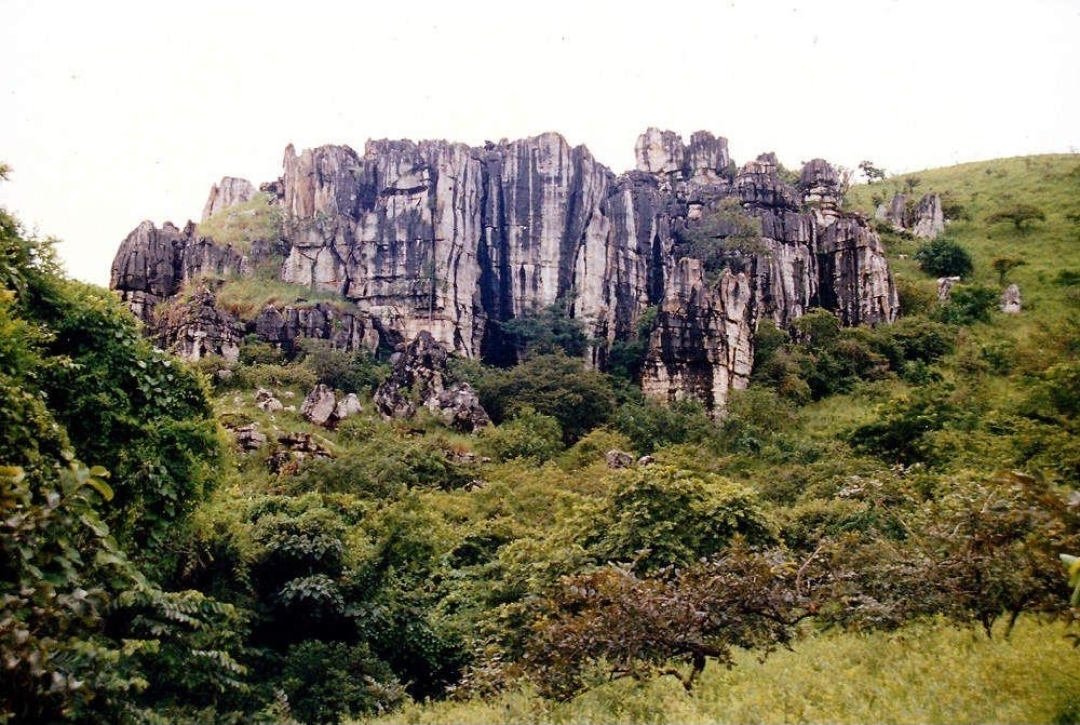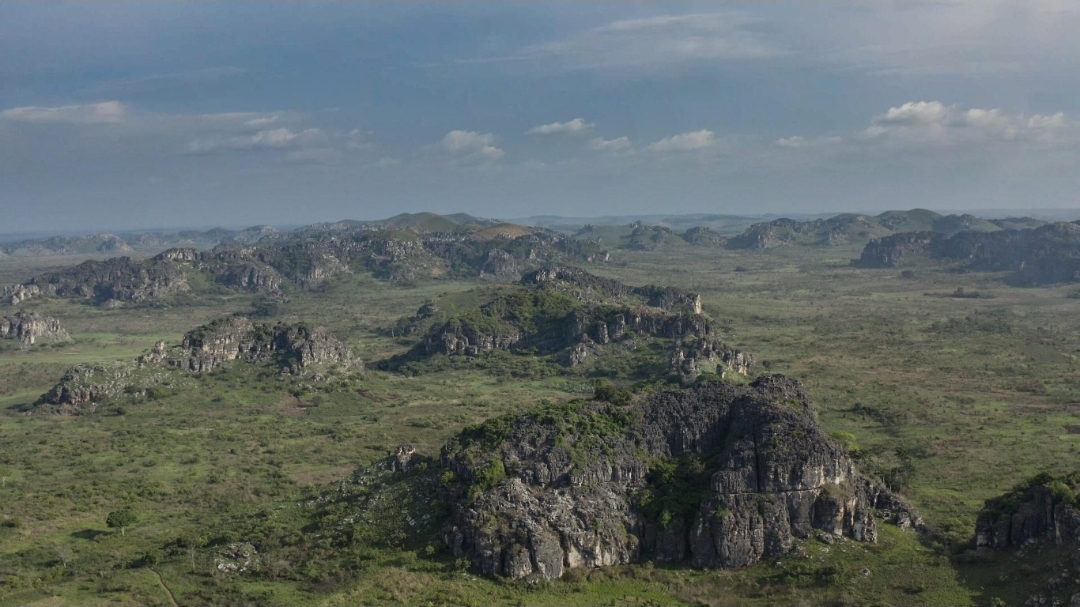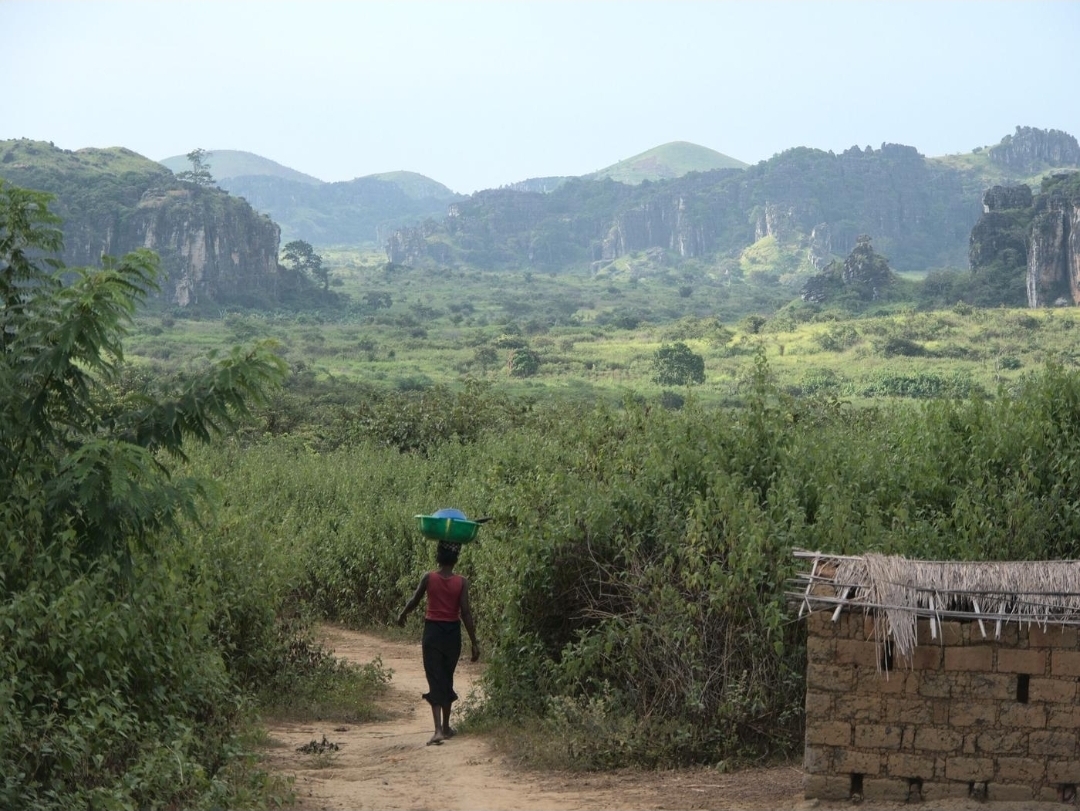
Deep in the heart of Kongo Central, in the Democratic Republic of the Congo (DRC), lies one of Central Africa's most extraordinary yet little-known cultural landscapes: the Lovo Massif, a vast region of towering limestone formations, dense vegetation, ancient caves, and mysterious rock paintings.
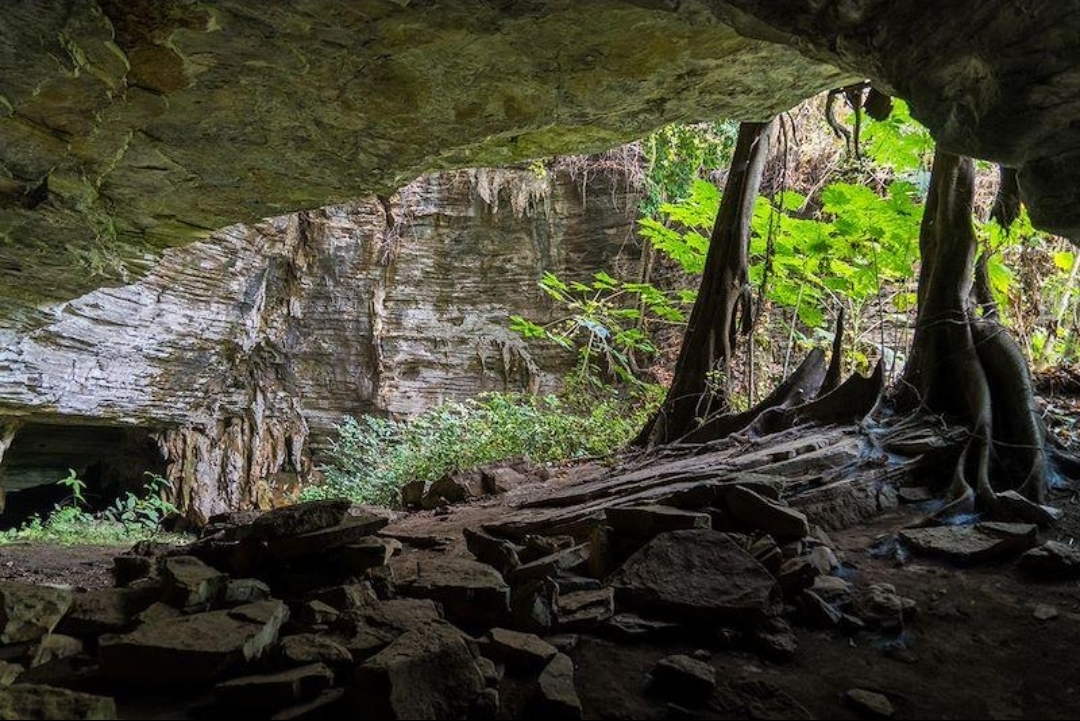
According to a local traditional chief, the massif contains approximately 1,800 caves, many of which remain largely unknown to international visitors. This is a locally reported estimate; published archaeological inventories document a smaller number of surveyed rock-art sites.
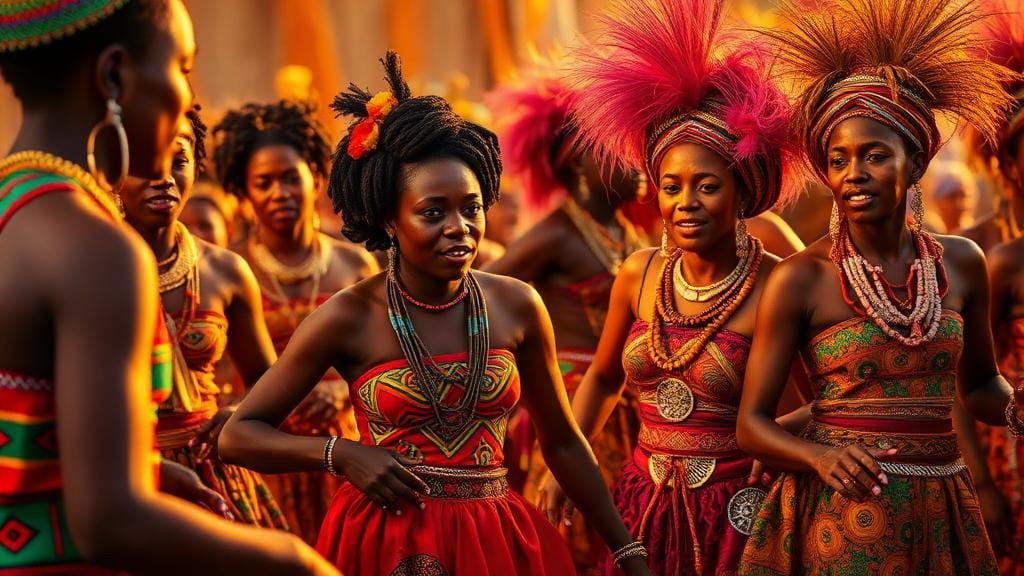
For generations, the surrounding communities have regarded certain caves as sacred places connected to ancestral spirits, initiation ceremonies, traditional knowledge, and the spiritual history of the Kongo people.
The chief also emphasises a particularly important custom: visitors must undergo traditional initiation before entering sacred caves, as a form of spiritual protection against dangers believed to be associated with entering without permission or preparation.
This belief reflects a profound relationship between the people, their ancestors, and the natural environment.
Beyond their archaeological importance, the caves of Lovo offer a fascinating journey into the history, spirituality, and cultural identity of the ancient Kongo Kingdom.
1\. The Lovo Massif: A Hidden World of 1,800 Caves
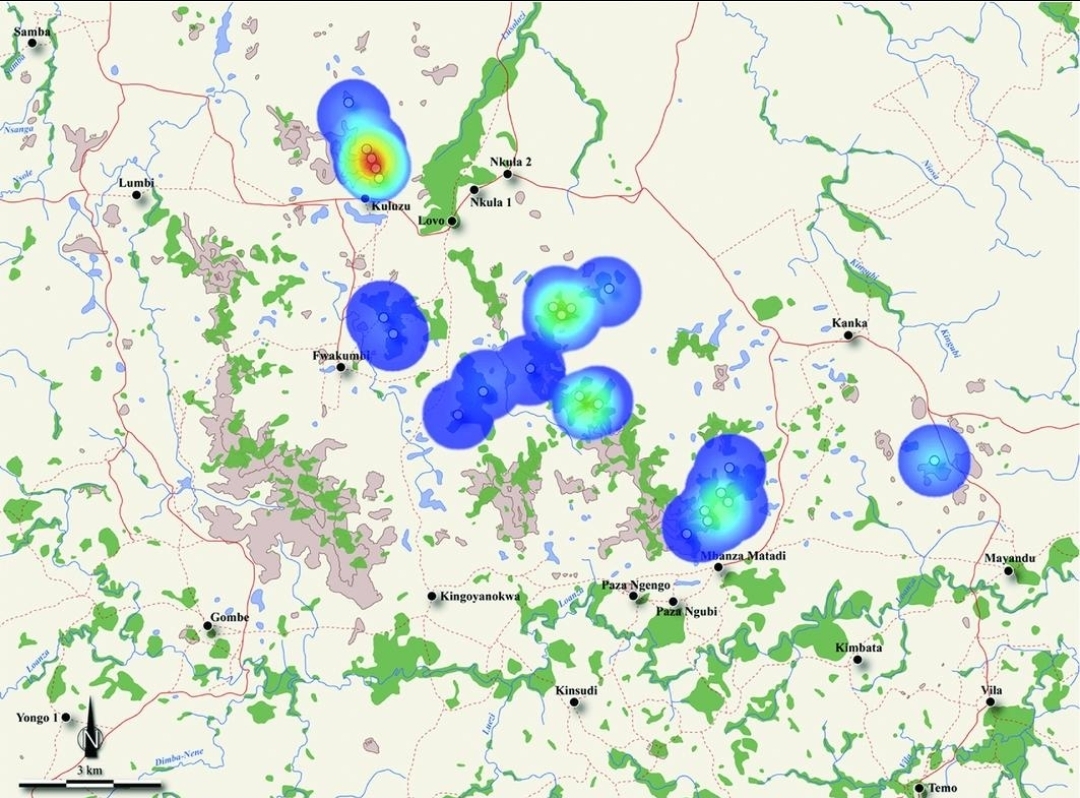
Located in Kongo Central Province, in the wider historical region of the Kongo people, the Lovo Massif covers approximately 430 square kilometres.
Its landscape is characterised by spectacular limestone outcrops, natural rock shelters, caves, forests, and agricultural land.
According to the local traditional chief, the region contains approximately 1,800 caves. This number highlights the scale of the landscape as understood locally, although a comprehensive published inventory confirming that total has not yet been established.
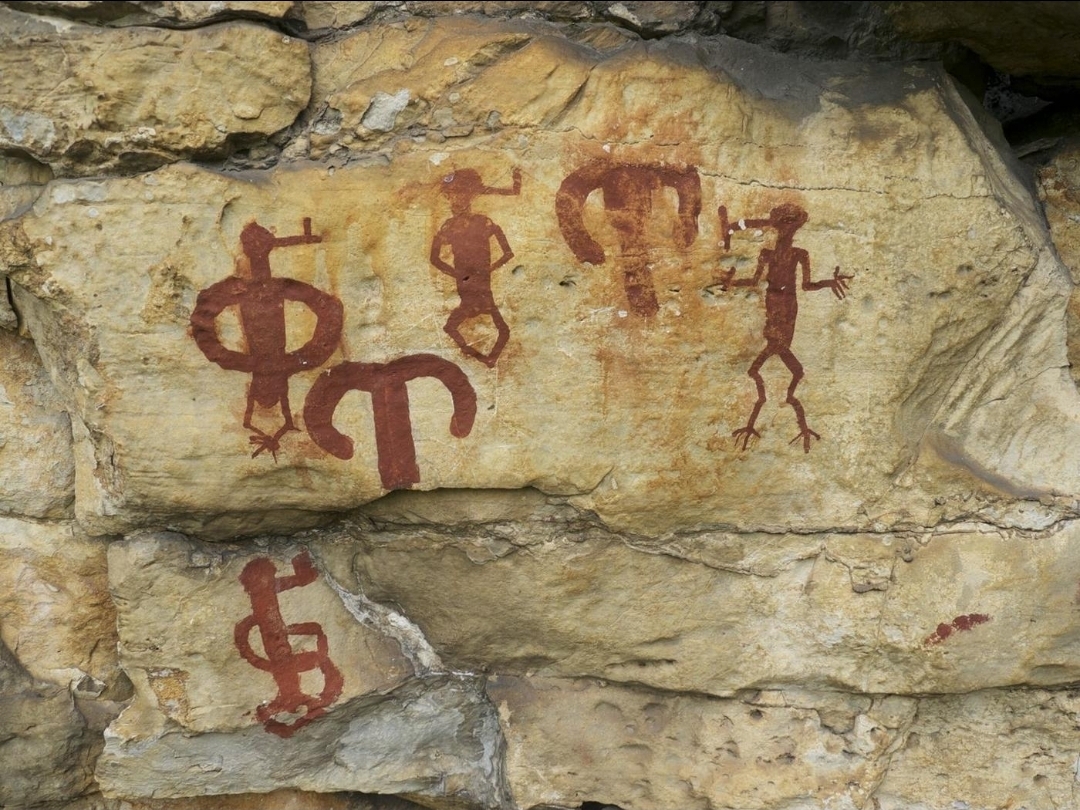
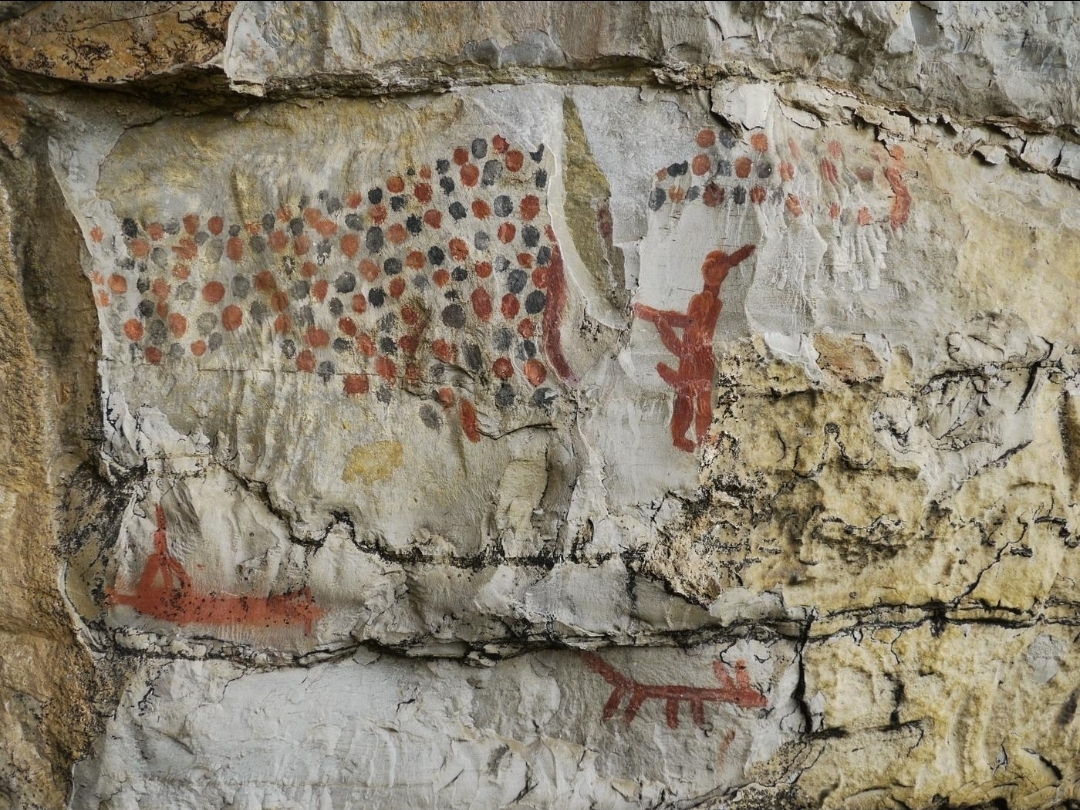
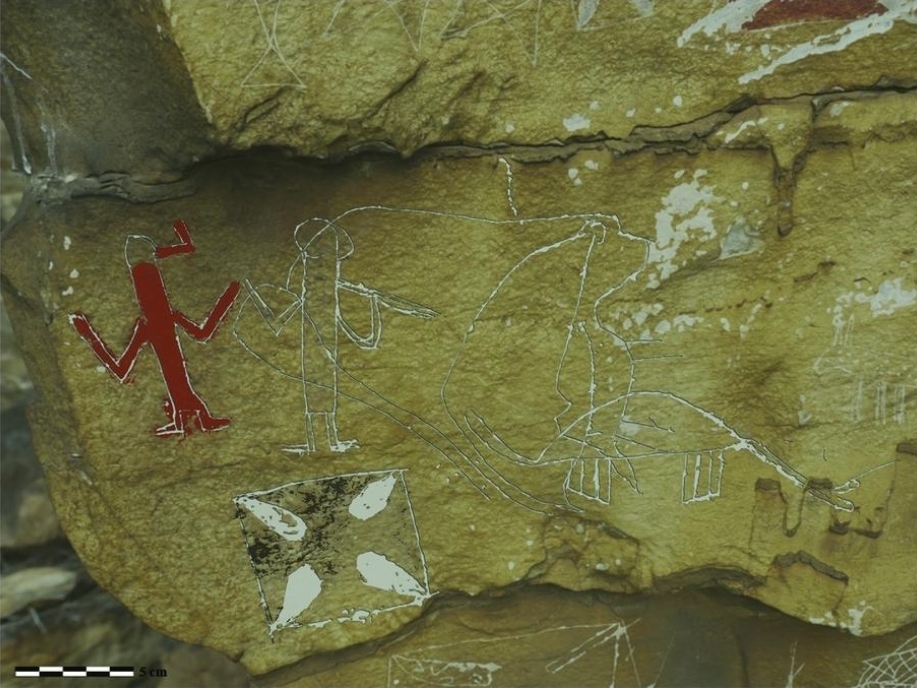
Scientific archaeological surveys have identified approximately 117 rock-art sites and more than 5,700 painted or engraved figures, making Lovo one of the most important documented rock-art landscapes in Central Africa.
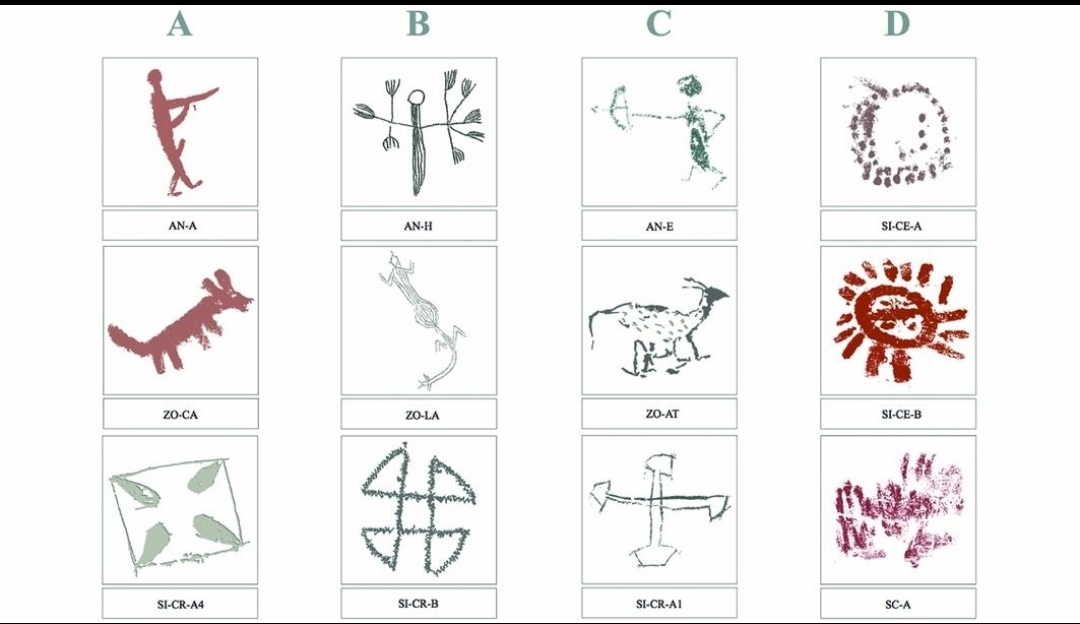
These images include geometric symbols, crosses, circles, animals, human figures, and unusual representations combining human and animal characteristics.
Some of the artwork dates back several centuries, providing valuable evidence of the cultural and spiritual practices of communities associated with the Kongo Kingdom.
Yet the significance of Lovo extends far beyond archaeology.
For local communities, the massif is also a living cultural landscape, where the memory of ancestors remains deeply connected to the land.
2\. Why the Caves Are Considered Sacred
In traditional Kongo spirituality, the natural environment is not always viewed as separate from the spiritual world.
Forests, rivers, mountains, springs, and caves may be understood as places associated with ancestral presence and spiritual guardianship.
According to the traditional chief, entering certain caves without undergoing the required customary initiation can expose visitors to spiritual dangers.
He maintains that visitors should receive the appropriate initiation before entering these sacred spaces.
This requirement is not simply a tourist formality. Within the local belief system, it represents respect for the ancestors, recognition of the authority of traditional custodians, and acknowledgement of the sacred character of the site.
Ethnographic research conducted in the Lovo region has documented customary practices involving offerings to ancestors and spiritual beings, including palm wine, kola nuts, and other culturally significant materials.
Such ceremonies are understood within local traditions as ways of seeking permission, maintaining harmony, and showing respect.
The specific requirements may vary between caves and communities. Visitors should therefore seek guidance directly from the recognised traditional custodians rather than assuming that one ceremony applies everywhere.
Traditional initiation is a cultural and spiritual practice, not a substitute for physical safety precautions, authorised access, or professional cave guidance.
3\. The Bisimbi: Spiritual Guardians of the Caves
One of the most intriguing aspects of Kongo spirituality is the belief in the Bisimbi, the plural of Simbi.
In Kongo traditions, Simbi are spiritual beings associated with particular natural environments, including rivers, springs, forests, mountains, and caves.
Some oral traditions describe them as guardians of sacred places and protectors of natural resources.
Ethnographic accounts collected in the Lovo region connect particular caves with the presence of these spiritual beings.
Within these traditions, entering sacred spaces without observing the appropriate customs may be regarded as a serious transgression.
This helps explain why traditional authorities emphasise initiation and respect before entry.
The spiritual significance of these caves is part of the intangible cultural heritage of the communities who have preserved these beliefs across generations.
Although the existence of spiritual beings cannot be established through archaeological science, the traditions surrounding them are historically and culturally important.
They reveal how local communities understand their relationship with the land, the ancestors, and the natural world.
4\. Kimpasi: The Ancient Initiation Tradition of the Kongo People
The history of Lovo is closely connected to the spiritual and ceremonial traditions of the ancient Kongo Kingdom.
One particularly important tradition is known as Kimpasi.
Historically, Kimpasi was an initiation institution associated with spiritual renewal, community restoration, and symbolic transformation.
Some ceremonies involved the symbolic death and rebirth of initiates, representing a transition from one state of existence to another.
These practices were associated with ancestral and spiritual concepts, including the Nkita.
Researchers have identified possible connections between certain rock paintings in the Lovo Massif and the symbolism of Kimpasi and other Kongo initiation traditions.
This suggests that some caves and rock shelters may once have played roles in ceremonial activities, spiritual education, or the transmission of traditional knowledge.
However, not every cave should be assumed to have served the same purpose.
The archaeological evidence points to a complex landscape used by different communities over many centuries.
5\. The Mafulamengo: Mysterious Ancient Masters of Iron
Another fascinating element of Lovo's history concerns the Mafulamengo, a group remembered in local oral traditions.
According to accounts collected from traditional authorities, the Mafulamengo were skilled ironworkers who manufactured tools, weapons, and other metal objects.
They were said to possess specialised knowledge of metallurgy and to travel considerable distances in search of raw materials.
Some oral traditions attribute certain rock paintings and engravings to these ancient craftspeople.
Other accounts associate the images with spiritual beings or mythical figures.
These different explanations are particularly important because they demonstrate that the history of Lovo has been preserved not only through physical remains but also through oral testimony.
The traditions raise compelling questions about the technological abilities, social organisation, and spiritual beliefs of the people who once inhabited the region.
Who were the Mafulamengo? How did they acquire their specialised knowledge? What relationship did they have with the caves and the ancient artists?
Archaeology has not yet provided definitive answers to every question.
6\. Ancient Rock Paintings: Messages from the Ancestors
The rock paintings of Lovo are among the massif's most remarkable cultural treasures.
They include geometric patterns, circles, crosses, grids, animals, and human-like figures.
Some images have been interpreted through the religious traditions and mythology of the Kongo people.
The cross is a particularly interesting symbol.
Although Christianity became influential in the Kongo Kingdom following contact with the Portuguese in the late fifteenth century, cruciform symbols also existed within older Kongo symbolic traditions.
The meanings of these images cannot always be determined from their appearance alone.
Researchers must consider their archaeological context, age, relationship to other images, and possible connections with oral traditions.
Scientific studies have dated some charcoal drawings at Lovo to the period between approximately 1480 and 1800.
Other evidence suggests that rock-art traditions in the region developed over a longer period.
Together, these discoveries reveal a sophisticated artistic heritage that challenges the misconception that Central African societies left little evidence of their intellectual and spiritual history.
7\. Why Do Local Traditions Warn Visitors About Entering Without Initiation?
For the traditional custodians of certain sacred caves, entering without preparation is believed to disturb an established spiritual relationship between the community, the ancestors, and the site.
The chief's warning about initiation should be understood within this cultural framework.
In many traditional African societies, sacred spaces are governed by customary rules concerning access, behaviour, ceremonies, and respect.
Such rules can also serve an important social function by limiting uncontrolled entry into culturally sensitive locations.
In Lovo, traditional beliefs about spiritual danger coexist with real physical hazards associated with caves, including unstable rocks, difficult passages, darkness, falls, and the possibility of becoming lost.
Responsible visitors should therefore respect both customary requirements and modern safety procedures.
For DRCTourism, cultural tourism should never mean treating sacred places as unrestricted attractions.
8\. International Researchers and the Question of Cultural Ownership
The Lovo Massif has attracted international archaeological attention because of its extraordinary concentration of rock art.
Since 2007, systematic research involving Congolese and international specialists has contributed to documenting and interpreting the sites.
Researchers including Geoffroy Heimlich and Clément Mambu Nsangathi have helped bring greater scientific attention to the massif.
Their work has examined the chronology of the paintings, their artistic characteristics, and their possible connections to Kongo spiritual traditions.
However, the growing international interest raises an important question:
Who has the authority to interpret, preserve, and benefit from the cultural heritage of Lovo?
Scientific discoveries should not be separated from the communities whose ancestors lived in and around these landscapes.
Traditional chiefs, local historians, young people, and community representatives should have meaningful opportunities to participate in research, conservation, and decisions about tourism.
Research findings should also be accessible to local communities, including through translations, exhibitions, educational programmes, and community-led interpretation.
The knowledge preserved by local custodians deserves recognition alongside academic research.
9\. Is the Lovo Massif Protected by UNESCO?
The archaeological significance of Lovo has led to discussions about its potential nomination for UNESCO World Heritage recognition.
However, the Lovo Massif is not currently inscribed on the UNESCO World Heritage List.
It should not be confused with the caves of Dimba and Ngovo, which have appeared on the DRC's UNESCO Tentative List since 1997.
Any future nomination involving Lovo would need to address the site's conservation, management, and relationship with surrounding communities.
International recognition should strengthen local heritage protection rather than weaken the role of customary custodians.
Protecting Lovo also means protecting the cultural rights, historical memory, and traditional knowledge of the people who have maintained connections with the landscape.
10\. The Unanswered Mysteries of Lovo
Despite decades of research, the Lovo Massif continues to raise fascinating questions.
Who created the earliest paintings? What did the unusual human-animal figures represent? How were the caves used during the height of the Kongo Kingdom? What became of the Mafulamengo? How many of the caves described in local traditions remain undocumented by modern archaeological surveys?
And perhaps most importantly, how can the knowledge of traditional custodians help future generations understand the deeper meanings of these sites?
Some mysteries may eventually be clarified through archaeology, historical research, and scientific dating.
Others belong to living traditions whose significance is best explained by the communities themselves.
The importance of Lovo lies not in sensational claims about hidden secrets, but in the remarkable coexistence of ancient material evidence and cultural memory.
11\. Visiting the Sacred Caves of Lovo Responsibly
The Lovo Massif has significant potential for carefully managed cultural, educational, and heritage tourism.
However, visiting sacred caves requires more than curiosity.
Visitors should obtain the necessary permissions, consult recognised local custodians, and follow the customary requirements applicable to the particular cave.
As emphasised by the traditional chief, initiation may be required before entering sacred caves.
Travellers should also be accompanied by knowledgeable local guides and avoid entering restricted or unstable cavities.
Rock paintings must never be touched, marked, removed, or damaged. Photography and filming should respect any restrictions established by custodians or conservation authorities.
Not all caves are suitable or authorised for public visits, and the presence of an archaeological site does not automatically mean it is open to tourists.
DRCTourism supports a model of responsible tourism that values local knowledge, protects cultural heritage, and promotes meaningful participation by surrounding communities.
Conclusion: Lovo Is More Than a Destination — It Is a Living Ancestral Heritage
The sacred caves of Lovo represent one of the Democratic Republic of the Congo's most remarkable cultural landscapes.
According to the local traditional chief, approximately 1,800 caves lie within this extraordinary region, carrying stories of ancestral knowledge, spiritual beliefs, ancient craftspeople, and generations of Kongo history.
The rock paintings provide physical evidence of artistic traditions developed over centuries.
The oral histories of the Mafulamengo preserve memories of specialised knowledge and ancient communities.
The traditions surrounding the Bisimbi and Kimpasi reveal a spiritual worldview in which nature, ancestors, and human society are deeply interconnected.
And the chief's insistence on initiation before entering sacred caves reminds visitors that heritage is not simply something to observe.
It is something to approach with humility, understanding, and respect.
The greatest treasure of Lovo may not be hidden beneath its rocks. It may lie in the knowledge of the communities who have protected its memory for generations.
For DRCTourism, preserving that heritage means ensuring that the stories of Lovo are told with the people of Lovo, not merely about them.
About DRCTourism
DRCTourism — The Heart of Africa — promotes responsible travel, cultural heritage, and community-based tourism across the Democratic Republic of the Congo.
info@drctourism.com
Sources and further reading
The article draws on archaeological and ethnographic research, including:
The local chief's statements concerning the 1,800 caves and the initiation requirement are included as community testimony supplied to DRCTourism; they have not been independently verified.
Lovo Massif: landscapes and rock art