
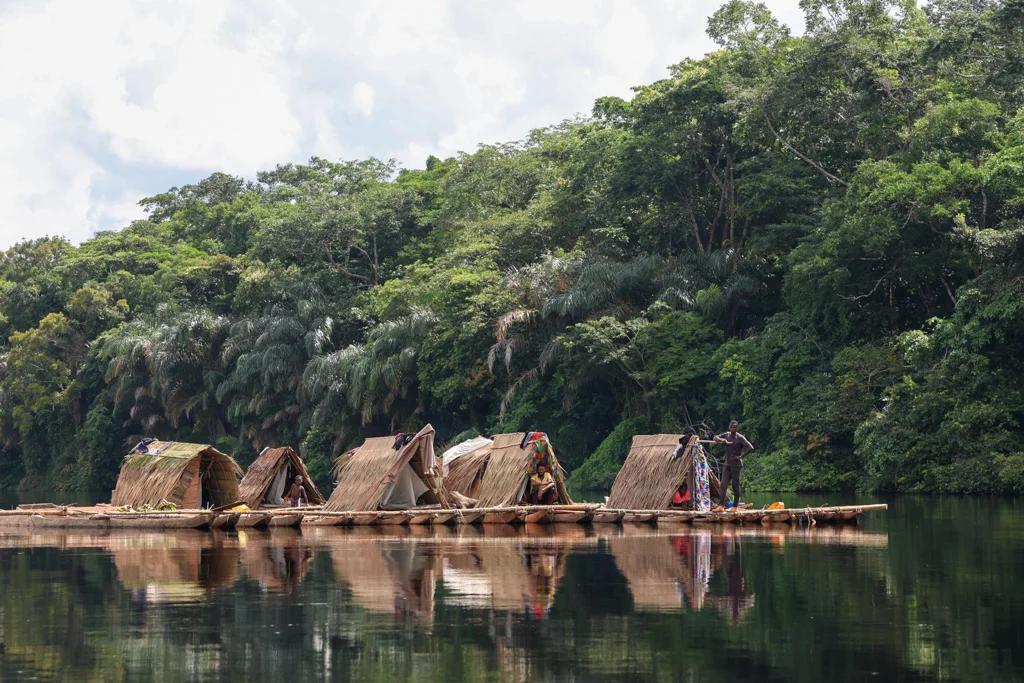
Administrative & Geographic Overview
Feshi Territory in central Kwango, home to important Suku communities.
Accessibility
Accessible via road from Kenge. Secondary roads to rural areas.
Strategic Importance
Cultural center of the Suku people, known for distinctive artistic traditions.
Tourism & Natural Assets
Landscapes
Climate
Tropical savanna with distinct wet and dry seasons.
Key Assets
Renowned Suku masks and sculptural traditions.
Authentic Suku communities maintaining traditional ways.
Beautiful wooded savanna ecosystems.
Culture, Heritage & Communities
Local Communities
Traditional Activities
- Mask carving
- Traditional medicine
- Agriculture
- Honey production
Cultural Heritage
Suku artistic traditions, especially masks, are prized by collectors worldwide.
Community Tourism Potential
Strong potential for art tourism and cultural immersion.
Tourism Experiences You Can Book
Suku Mask Workshop
Learn carving techniques from master Suku artists.
Village Cultural Immersion
Extended stay with Suku families learning traditions.
Traditional Healing Experience
Learn about traditional medicine practices.
Savanna Nature Walk
Explore local ecosystems with community guides.
Browse the full catalogue on our Experiences page or Tours page to book a guided itinerary in this territory.
Development & PPP Opportunities
Travel Information
Kwango Province, DRC
Dry season for best travel conditions.
Governance Context
Territory Administration coordinates with traditional Suku chiefs.
Travel Considerations
Cultural sensitivity important. Local guides recommended.
Eco-Village Potential
Suitability
Suitable for art-focused cultural village development.
Youth & Women Participation
Young carvers and women healers offer partnership opportunities.
Rural Development
Aligned with cultural preservation and sustainable livelihoods.
Continue exploring the Democratic Republic of Congo
Every territory in the DRC is part of a much larger tourism ecosystem — cities, national parks, cultural sites and river routes. Continue your research with these related resources.
Common questions travellers ask about the DRC
Is the Democratic Republic of Congo safe to visit?
Yes — most tourism corridors in the DRC (Kinshasa, Lubumbashi, Virunga, Kahuzi-Biega, Lola ya Bonobo, Kongo Central coast, Upemba, Garamba) are routinely visited safely when travelling with a licensed operator. The DRC is the size of Western Europe, so security conditions vary dramatically by region — avoid eastern conflict pockets outside designated park corridors and check current advisories.
How much does gorilla trekking cost in the DRC (Congo)?
Mountain gorilla permits in Virunga National Park start around €415 per person. Grauer's (eastern lowland) gorilla trekking in Kahuzi-Biega starts around €370. Multi-day packages with transfers, ranger fees and lodging typically range from €1,100 to €3,200 per person.
Do I need a visa to visit the DRC?
Most travellers need a tourist visa, obtained in advance from a DRC embassy or via an authorised operator with a letter of invitation. A short-stay tourist e-visa is available for many nationalities.
When is the best time to travel to DR Congo?
The dry seasons — June to September and December to February — are ideal for gorilla trekking, volcano hikes and safari travel. Congo River and rainforest experiences are rewarding year-round.
Prefer a human? Plan your trip, apply for a private consultation, or contact our team. For press and partnerships, see our media kit and accredited partners directory.