
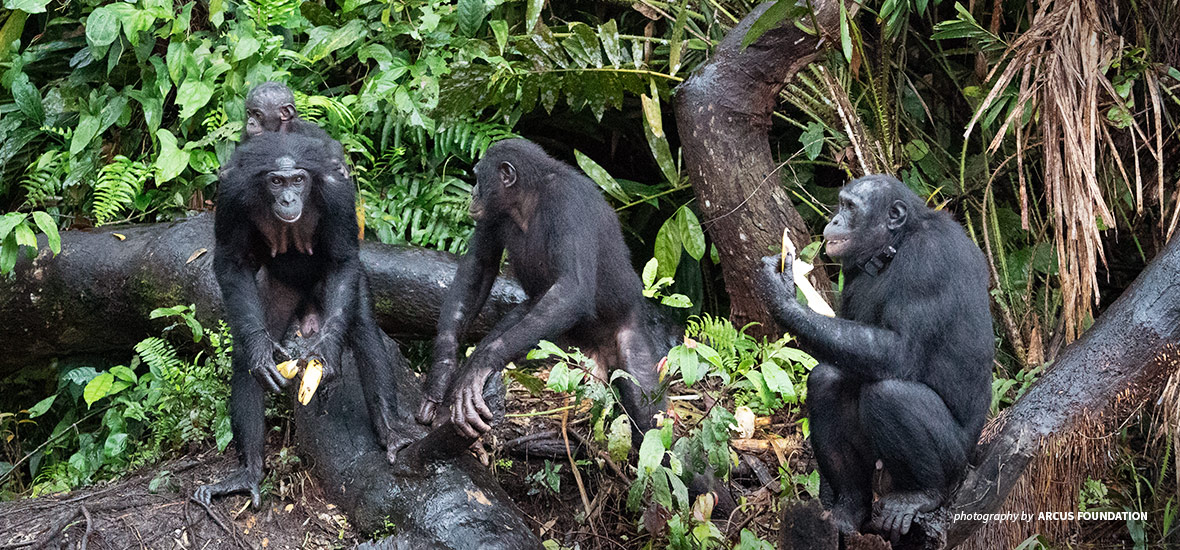
Administrative & Geographic Overview
Djolu Territory in eastern Tshuapa, center of bonobo research and conservation.
Accessibility
Accessible via river or forest roads from Boende. Very remote territory.
Strategic Importance
Core bonobo habitat and critical conservation zone.
Tourism & Natural Assets
Landscapes
Climate
Equatorial rainforest with consistent high rainfall.
Key Assets
Historic Japanese bonobo research station.
Habituated bonobo groups for observation.
Untouched Congo Basin wilderness.
Culture, Heritage & Communities
Local Communities
Traditional Activities
- Forest coexistence
- Traditional hunting
- Forest medicine
- River fishing
Cultural Heritage
Communities who have lived alongside bonobos for millennia.
Community Tourism Potential
Premier potential for bonobo tracking experiences.
Tourism Experiences You Can Book
Wild Bonobo Tracking
Track and observe wild bonobos with expert guides.
Research Station Visit
Learn from decades of bonobo research.
Forest Expedition
Extended wilderness journey in bonobo habitat.
Community Conservation Tour
See how communities benefit from conservation.
Browse the full catalogue on our Experiences page or Tours page to book a guided itinerary in this territory.
Development & PPP Opportunities
Travel Information
Tshuapa Province, DRC
Drier months (December-February) offer easier forest travel.
Governance Context
Territory coordinating closely with research and conservation organizations.
Travel Considerations
Expedition-level preparation essential. Pre-booking required.
Eco-Village Potential
Suitability
Research and expedition base development potential.
Youth & Women Participation
Bonobo trackers and research assistants.
Rural Development
Model for conservation-based community development.
Continue exploring the Democratic Republic of Congo
Every territory in the DRC is part of a much larger tourism ecosystem — cities, national parks, cultural sites and river routes. Continue your research with these related resources.
Common questions travellers ask about the DRC
Is the Democratic Republic of Congo safe to visit?
Yes — most tourism corridors in the DRC (Kinshasa, Lubumbashi, Virunga, Kahuzi-Biega, Lola ya Bonobo, Kongo Central coast, Upemba, Garamba) are routinely visited safely when travelling with a licensed operator. The DRC is the size of Western Europe, so security conditions vary dramatically by region — avoid eastern conflict pockets outside designated park corridors and check current advisories.
How much does gorilla trekking cost in the DRC (Congo)?
Mountain gorilla permits in Virunga National Park start around €415 per person. Grauer's (eastern lowland) gorilla trekking in Kahuzi-Biega starts around €370. Multi-day packages with transfers, ranger fees and lodging typically range from €1,100 to €3,200 per person.
Do I need a visa to visit the DRC?
Most travellers need a tourist visa, obtained in advance from a DRC embassy or via an authorised operator with a letter of invitation. A short-stay tourist e-visa is available for many nationalities.
When is the best time to travel to DR Congo?
The dry seasons — June to September and December to February — are ideal for gorilla trekking, volcano hikes and safari travel. Congo River and rainforest experiences are rewarding year-round.
Prefer a human? Plan your trip, apply for a private consultation, or contact our team. For press and partnerships, see our media kit and accredited partners directory.