
Key Highlights
Core zone of the Ngiri–Tumba–Maindombe wetland complex
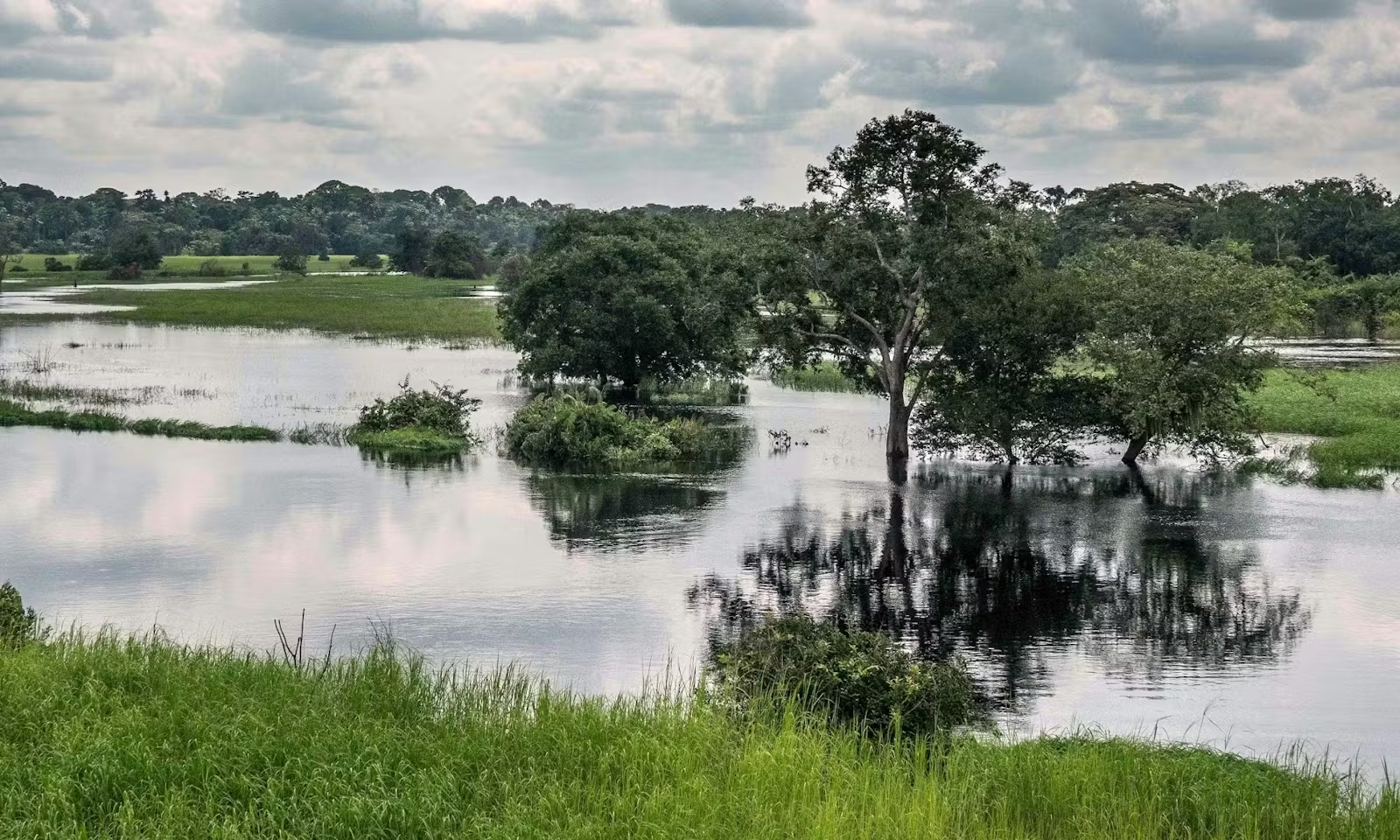
Extensive flooded forest landscapes
High value for climate, hydrology, and biodiversity research
Strong link between wetland conservation and local livelihoods
Critical for Congo Basin hydrology
Waterbird habitat of international importance
Why Visit Ngiri Triangle Nature Reserve
The Ngiri Triangle Nature Reserve is a vast wetland conservation area located in Équateur Province, forming a core component of the internationally significant Ngiri–Tumba–Maindombe wetland system in the Congo Basin. The reserve protects extensive flooded forests and swamp ecosystems, which play a critical role in regional hydrology, biodiversity conservation, and climate regulation. Ngiri Triangle is among the largest intact wetland landscapes in Africa, supporting both aquatic and terrestrial species while sustaining local livelihoods through ecosystem services. The reserve is globally important for wetland and flooded-forest biodiversity conservation, hydrological regulation of the Congo Basin, carbon storage in swamp forests and peat-rich soils, fish breeding grounds essential to food security, and habitat for migratory and resident waterbirds. Together with Tumba–Lediima, Ngiri Triangle underpins one of Africa's most valuable freshwater ecosystems.
Ready to explore Ngiri Triangle Nature Reserve?
Our travel experts can craft a personalized itinerary for your Congo adventure.
Activities & Experiences
Best Time to Visit
Dry season (June to September) for best water access and wildlife viewing.
Travel Tips
Remote and water-accessed. Requires advance planning and permits. Duration: 4–8 days. Contact bookings@drctourism.com | +353 899 443 480
Location
0.8000°, 18.5000°
Map integration coming soon
Last updated: February 2026
Reviewed by DRCTourism Research Team — Destinations & Conservation Division