Mangroves National Park
Where the Congo River meets the Atlantic, DRC's only marine national park protects mangrove forest, nesting sea turtles, and manatees along the country's short but striking coastline.
DRC's only marine national park
At the mouth of the Congo River, where its freshwater meets the Atlantic Ocean near the towns of Muanda and Banana, Mangroves National Park protects roughly 768 km² of estuarine mangrove forest, DRC's smallest national park and its only marine one.
Established in 1992 and recognised as a Ramsar Wetland of International Importance in 1996, the park's mixed mangrove and hardwood forest, with species like African oak, red cedar, and walnut growing alongside Rhizophora and Avicennia mangroves, differs ecologically from the mangroves of Asia or Latin America.
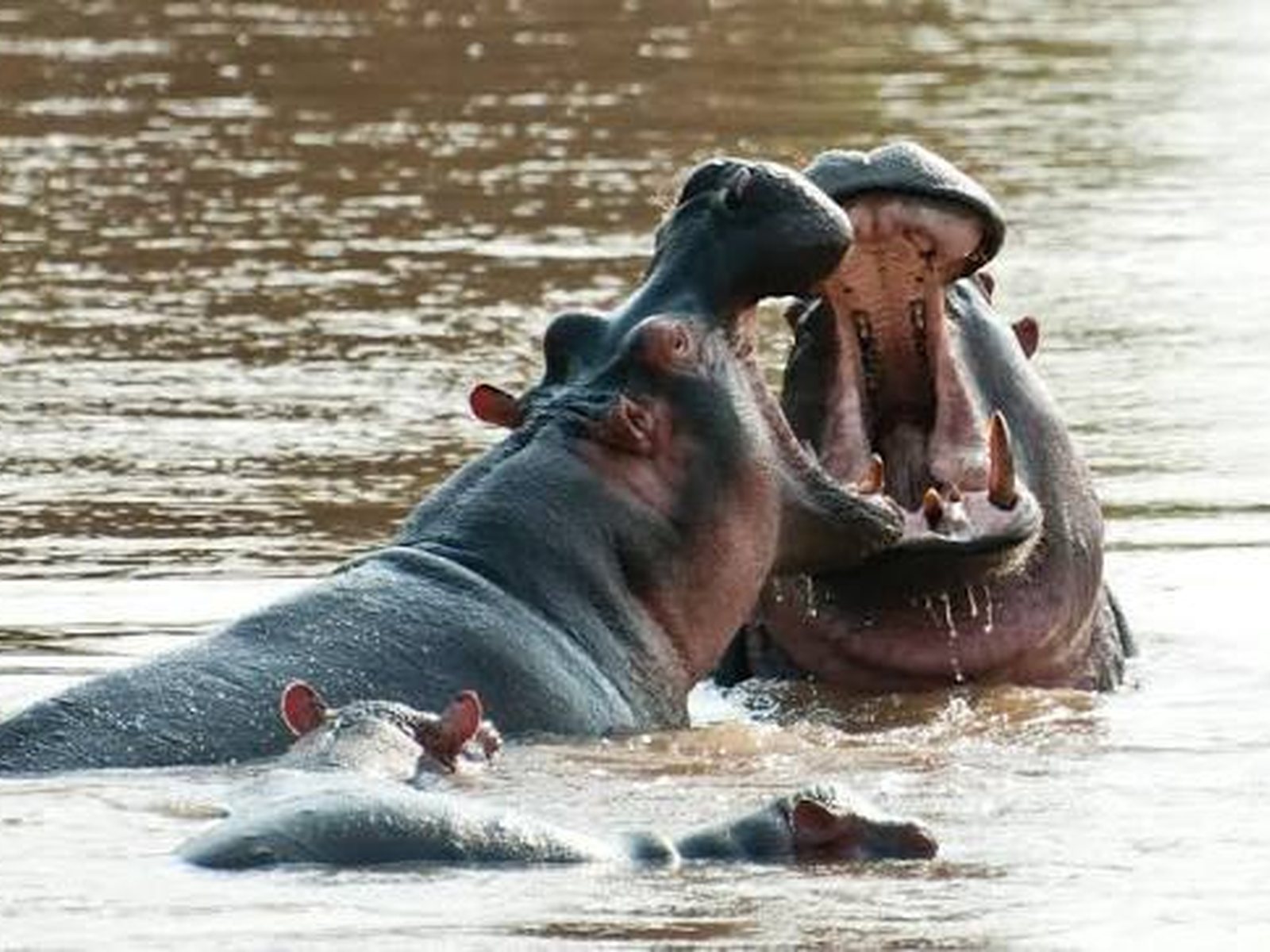
The park's estuarine waters are nesting grounds for three species of marine turtle, the olive ridley, leatherback, and green turtle, alongside African manatees, Nile crocodiles, hippopotamuses, and migratory birds moving along DRC's short 38 km Atlantic coastline.
Compared to DRC's rainforest parks, Mangroves National Park is relatively easy to reach, roughly 100 km from Boma by road or boat; pair a visit with the beaches and coastal villages around Muanda for a complete Atlantic-coast itinerary.
What makes Mangroves National Park distinct
The meeting of river and ocean creates a distinct coastal ecosystem found nowhere else in DRC.
Nesting sea turtles
Olive ridley, leatherback, and green turtles nest along the park's Atlantic beaches, monitored by conservation programmes since 2011.
African manatees
The park's estuarine waters and mangrove channels are a refuge for the African manatee, DRC's answer to Asia's mangrove wildlife.
Mixed mangrove forest
Rhizophora and Avicennia mangroves grow alongside African oak, red cedar, and walnut trees in a distinctly Congolese mangrove ecosystem.
Nile crocodiles & hippos
Estuarine creeks and lagoons support Nile crocodile and hippopotamus populations alongside the park's marine species.
Migratory birds
The estuary's lagoons and tidal creeks are an important stopover for migratory coastal and wetland bird species.
Coastal villages
Seven villages and semi-nomadic island communities live within the park's mangrove islands, part of daily life along this stretch of coast.
How a visit to the Mangroves National Park comes together
Compared to DRC's forest parks, the Mangroves park is one of the more straightforward to reach from Kinshasa.
Travel to Kinshasa or Matadi
Most routings begin from Kinshasa, with onward travel toward the Atlantic coast via Matadi or Boma.
Continue to Muanda or Boma
The park lies about 100 km from Boma, reached by road or boat along the coastal region.
Boat exploration of the mangroves
Guided boat trips move through the park's tidal creeks, lagoons, and mangrove channels.
Turtle nesting season visits
Seasonal visits can coincide with sea turtle nesting activity on the park's beaches.
Return via Boma or Matadi
Most itineraries retrace the route back toward Kinshasa via Boma or Matadi.
Protecting Central Africa's last major mangrove ecosystem
Despite its Ramsar status, the park faces ongoing threats from deforestation for charcoal production, illegal fishing, and pollution linked to oil drilling and shipping activity near the Congo River mouth.
NGOs including ACODES have run marine turtle monitoring and protection programmes along the coastline since 2011, working with local communities across the park's 38 km stretch of Atlantic coast. See our travel guide for current conditions.
Planning questions, answered
Is Mangroves National Park easy to reach?
Relatively, yes, compared to DRC's rainforest parks. It's reached via Boma or Matadi from Kinshasa, roughly 100 km by road or boat from Boma.
What makes this DRC's only marine park?
It's the only DRC national park with a marine component, protecting estuarine and coastal Atlantic habitat rather than inland rainforest.
Can you see turtles at the park?
Three species, the olive ridley, leatherback, and green turtle, nest along the park's beaches, with monitoring programmes active since 2011.
What animals live in the mangroves besides turtles?
African manatees, Nile crocodiles, hippopotamuses, and a range of migratory coastal birds.
When was the park established?
1992, later recognised as a Ramsar Wetland of International Importance in 1996.
More of the DRC to plan around Mangroves National Park
Ready to plan a visit to DRC's Atlantic coast?
Our team routes the Mangroves National Park alongside Muanda's beaches for a complete Atlantic-coast itinerary.
What to do here
Top experiences in Mangroves National Park
- Nesting sea turtlesOlive ridley, leatherback, and green turtles nest along the park's Atlantic beaches, monitored by conservation programmes since 2011.
- African manateesThe park's estuarine waters and mangrove channels are a refuge for the African manatee, DRC's answer to Asia's mangrove wildlife.
- Mixed mangrove forestRhizophora and Avicennia mangroves grow alongside African oak, red cedar, and walnut trees in a distinctly Congolese mangrove ecosystem.
- Nile crocodiles & hipposEstuarine creeks and lagoons support Nile crocodile and hippopotamus populations alongside the park's marine species.
Entry requirements for visiting Mangroves National Park
Every traveller needs a visa in advance. Read our step-by-step DRC e-visa and Congo tourist visa guide for the official DGM portal walkthrough, letter of invitation (LOI) requirements, fees, processing times and airport entry checks.
Nearby & similar
Related destinations