Kisimba-Ikobo Primate Reserve
Managed by local communities since its creation, this primate reserve protects intact rainforest and one of eastern Congo's important chimpanzee and Grauer's gorilla populations outside a national park.
A community-founded reserve linking Congo's protected forests
Kisimba-Ikobo Primate Reserve was established in 1998 through the customary authority of the Bamate, Batangi, Kisimba, and Ikobo communities in North Kivu Province, and later recognised by the DRC government in 2006, opening a new model of community-managed conservation in eastern Congo.
Over 85% of the reserve remains primary forest, sheltering Grauer's gorillas, eastern chimpanzees, and a wide range of monkey species across an altitudinal range up to 1,950 metres, linking the lowlands of the Congo basin with the Albertine Rift highlands.
Kisimba-Ikobo forms part of a wider conservation corridor alongside the Tayna Nature Reserve and Maiko National Park, three connected protected areas that together create one of eastern DRC's most significant safe havens for great apes.
With more than 45 IUCN-listed threatened species recorded, the reserve's community governance model, developed alongside neighbouring Tayna Nature Reserve, is widely studied as a template for locally led conservation.
What makes Kisimba-Ikobo distinct
Community stewardship has kept Kisimba-Ikobo's forest largely intact despite pressures across the wider region.
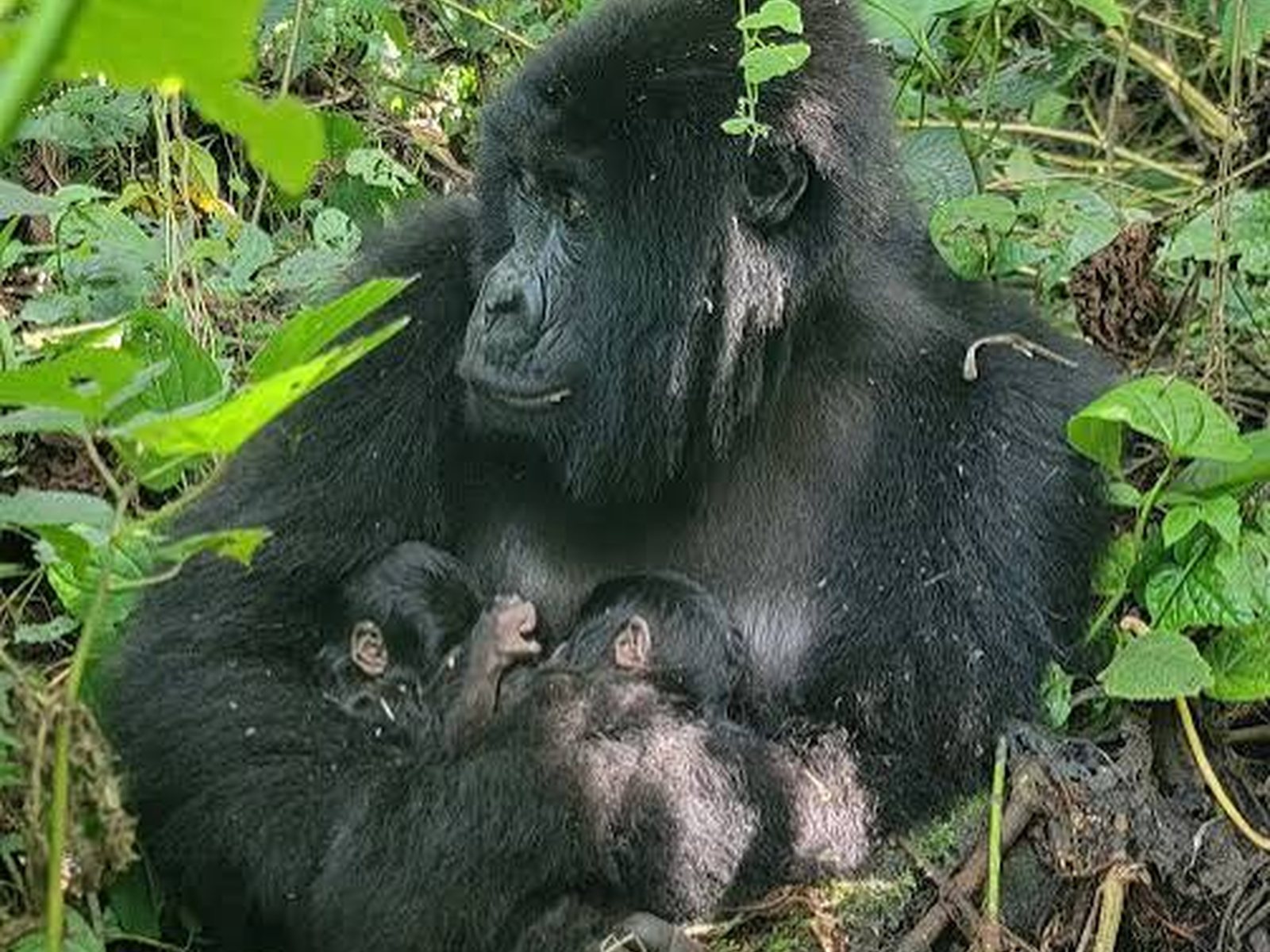
Grauer's gorillas
The reserve protects part of eastern DRC's Grauer's gorilla range, complementing populations in neighbouring Tayna and Maiko.
Eastern chimpanzees
Chimpanzee populations move through the reserve's primary forest, a key focus of ongoing conservation work.
Okapi
The reserve's varied forest habitat also supports okapi populations, linking it to the wider okapi conservation landscape.
African elephants
Forest elephant populations persist within Kisimba-Ikobo's protected boundaries.
Colobus monkeys
Several colobus and other monkey species share the reserve's forest with its gorilla and chimpanzee populations.
Antelope & buffalo
Forest antelope and buffalo round out the reserve's mammal diversity across its altitudinal range.
How a Kisimba-Ikobo visit typically comes together
Visits are arranged directly with the community-based reserve management and local guides given the area's limited infrastructure.
Travel to a North Kivu access town
Routes typically approach via Goma or Butembo, depending on current road and security conditions.
Coordinate with community reserve management
Given the reserve's community-led governance, visits are arranged directly with local management structures.
Guided forest walks
Local guides lead walks through primary forest tracking signs of gorilla, chimpanzee, and okapi.
Community and conservation education visits
Some itineraries include visits to the Tayna Center for Conservation Biology in the adjacent conservation landscape.
Return via the same access route
Departures retrace the route back to Goma or Butembo.
A pioneering model of community-led conservation
Kisimba-Ikobo is now managed by its communities largely independently, following a period without active ICCN presence, an unusual and closely studied case of grassroots forest stewardship holding a reserve's biodiversity intact.
Alongside Tayna, the reserve is part of a REDD+ carbon credits project supporting community development while reducing forest pressure. See our travel guide for current conditions.
Planning questions, answered
Who manages Kisimba-Ikobo Primate Reserve?
The reserve is managed by the customary authority of the Bamate, Batangi, Kisimba, and Ikobo communities, a community-led governance model in place since 1998.
What wildlife can be seen at Kisimba-Ikobo?
Grauer's gorillas, eastern chimpanzees, okapi, forest elephants, and multiple monkey species across its largely intact primary forest.
How does Kisimba-Ikobo connect to other protected areas?
It forms a conservation corridor alongside the neighbouring Tayna Nature Reserve and Maiko National Park.
Is the reserve safe to visit?
Access depends on current security conditions in North Kivu; always check with a licensed operator and local community contacts before booking.
What percentage of the reserve is intact forest?
Over 85% of Kisimba-Ikobo remains primary forest, among the highest forest-cover figures of DRC's community reserves.
More of the DRC to plan around Kisimba-Ikobo
Interested in visiting Kisimba-Ikobo?
Our team coordinates directly with community reserve management and current North Kivu access guidance.
What to do here
Top experiences in Kisimba-Ikobo Primate Reserve
- Grauer's gorillasThe reserve protects part of eastern DRC's Grauer's gorilla range, complementing populations in neighbouring Tayna and Maiko.
- Eastern chimpanzeesChimpanzee populations move through the reserve's primary forest, a key focus of ongoing conservation work.
- OkapiThe reserve's varied forest habitat also supports okapi populations, linking it to the wider okapi conservation landscape.
- African elephantsForest elephant populations persist within Kisimba-Ikobo's protected boundaries.
Entry requirements for visiting Kisimba-Ikobo Primate Reserve
Every traveller needs a visa in advance. Read our step-by-step DRC e-visa and Congo tourist visa guide for the official DGM portal walkthrough, letter of invitation (LOI) requirements, fees, processing times and airport entry checks.
Nearby & similar
Related destinations