Itombwe Nature Reserve
One of Africa's most important biodiversity sites, the Itombwe Massif shelters critically endangered Grauer's gorillas and eastern chimpanzees across a vast, rugged Albertine Rift forest.
A key biodiversity area under growing pressure
The Itombwe Nature Reserve protects 5,732 km² of the Itombwe Massif in South Kivu Province, designated a Key Biodiversity Area by the IUCN and an Alliance for Zero Extinction site given its concentration of range-restricted, highly threatened species.
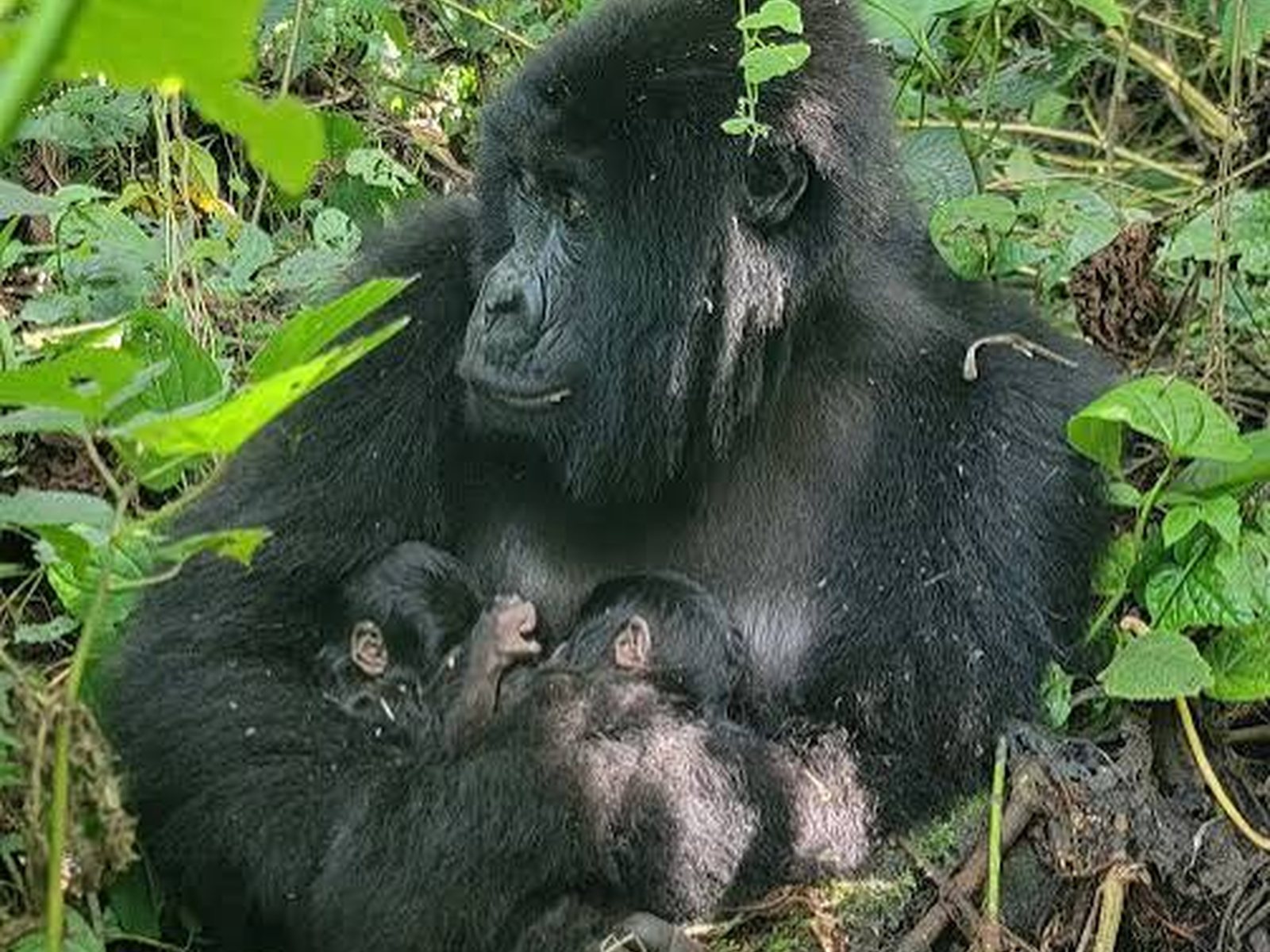
The reserve is a critical stronghold for the Critically Endangered Grauer's gorilla and the Endangered eastern chimpanzee, though recent surveys show primate populations here have already declined significantly, with only an estimated 280 gorillas and 500 chimpanzees remaining.
Itombwe takes an unusual approach to a widespread regional problem: rather than banning artisanal mining outright, the reserve permits it within a designated multiple-use zone, an attempt to reduce conflict with local communities that depend on mining for their livelihoods.
This compromise has limited some of the tension seen at other DRC protected areas, though mining sites continue to press against the reserve's core conservation area; see our Kahuzi-Biega National Park guide, which faces similar pressures immediately to the north.
What makes Itombwe distinct
Itombwe's altitude range, from lowland forest to montane habitat, supports one of the Albertine Rift's richest and most threatened wildlife communities.
Grauer's gorillas
An estimated 280 Critically Endangered Grauer's gorillas remain in the reserve, a significant decline from historic numbers.
Eastern chimpanzees
Around 500 chimpanzees inhabit Itombwe's forest, sharing habitat pressures with the reserve's gorilla population.
Endemic amphibians and birds
The Itombwe Massif holds numerous species found only within the Albertine Rift, many still poorly studied.
Montane to lowland forest gradient
The reserve's elevation range creates habitat diversity supporting a wide range of forest-dependent species.
65+ endemic species
Surveys have identified dozens of species endemic to the Itombwe ecosystem specifically.
Cultural landscape
Local communities across Itombwe maintain a close, complex relationship with the forest, central to the reserve's management approach.
How a visit to Itombwe Nature Reserve is approached
Gorilla tourism is not currently established at Itombwe; visits are primarily research and conservation-focused given the reserve's challenges.
Travel to Bukavu or Uvira
South Kivu's main towns serve as access points to the Itombwe Massif.
Coordinate with ICCN and conservation partners
Given ongoing security and mining pressures, visits require direct coordination with reserve management.
Overland approach to the massif
Road and trail travel connects lowland towns to the reserve's forested interior.
Conservation and research-focused activities
Most current visits centre on biomonitoring and conservation work rather than conventional tourism.
Return via the same access route
Departures retrace the route back to Bukavu or Uvira.
A conservation area shaped by conflict and resource pressure
Itombwe faces a combination of pressures rare even by DRC standards: poaching, mining, logging, charcoal production, deforestation, and, since 2021, disruption linked to the AFC/M23 conflict, all bearing down on one of the Albertine Rift's most important remaining forests.
Organisations including Berggorilla & Regenwald Direkthilfe continue to support biomonitoring patrols and community income-generating alternatives to reduce pressure on the reserve. See our travel guide for current conditions before planning any visit.
Planning questions, answered
Can tourists trek gorillas at Itombwe?
Not currently in an organised way; gorilla tourism is not established here, unlike at Kahuzi-Biega or Virunga.
How many gorillas and chimpanzees remain in Itombwe?
Recent estimates suggest around 280 Grauer's gorillas and 500 eastern chimpanzees, both significantly reduced from historic numbers.
Why does Itombwe allow mining?
The reserve permits artisanal mining within a designated multiple-use zone, an approach intended to reduce conflict with communities dependent on mining livelihoods.
Is Itombwe safe to visit?
Access depends heavily on current security conditions, including recent conflict-related disruption; always check current guidance before planning a visit.
What makes Itombwe scientifically important?
It's designated a Key Biodiversity Area and Alliance for Zero Extinction site, with over 65 species endemic to the Itombwe ecosystem specifically.
More of the DRC to plan around Itombwe
Interested in Itombwe's conservation work?
Our team can connect research-minded travellers with current guidance and conservation partners active in the Itombwe Massif.
What to do here
Top experiences in Itombwe Nature Reserve
- Grauer's gorillasAn estimated 280 Critically Endangered Grauer's gorillas remain in the reserve, a significant decline from historic numbers.
- Eastern chimpanzeesAround 500 chimpanzees inhabit Itombwe's forest, sharing habitat pressures with the reserve's gorilla population.
- Endemic amphibians and birdsThe Itombwe Massif holds numerous species found only within the Albertine Rift, many still poorly studied.
- Montane to lowland forest gradientThe reserve's elevation range creates habitat diversity supporting a wide range of forest-dependent species.
Entry requirements for visiting Itombwe Nature Reserve
Every traveller needs a visa in advance. Read our step-by-step DRC e-visa and Congo tourist visa guide for the official DGM portal walkthrough, letter of invitation (LOI) requirements, fees, processing times and airport entry checks.
Nearby & similar
Related destinations