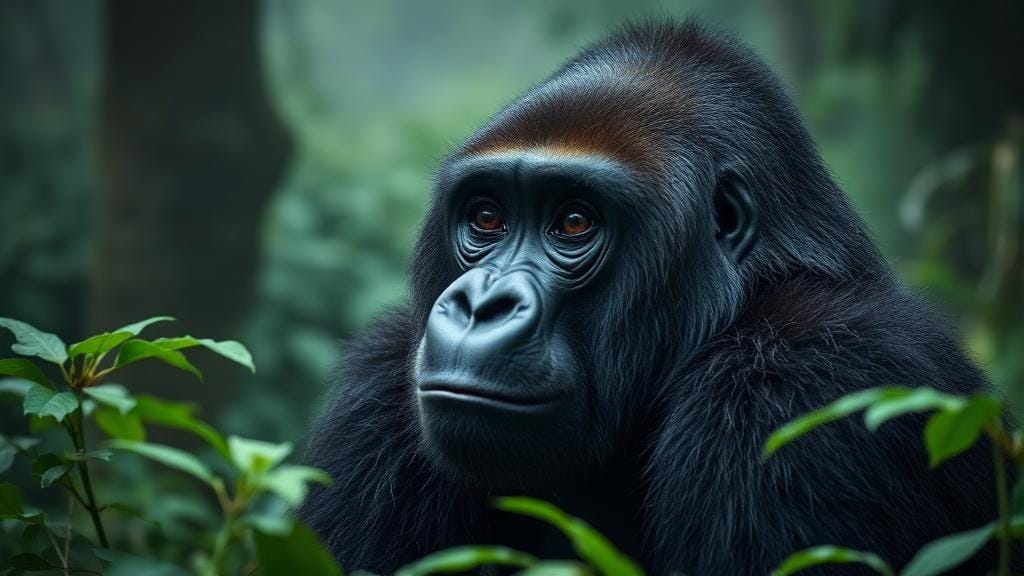
Mountain gorilla trekking in the Democratic Republic of Congo is one of the most extraordinary wildlife encounters on Earth. With fewer than 1,100 mountain gorillas remaining in the wild, every trek is a privilege — and the DRC offers the most authentic, least crowded experience of any gorilla destination in Africa.
Why Trek Gorillas in the DRC?
While Rwanda and Uganda receive most of the gorilla tourism traffic, the DRC offers something neither neighbour can match: raw, uncrowded wilderness. Virunga National Park, Africa's oldest national park and a UNESCO World Heritage Site, is home to roughly a third of the world's remaining mountain gorillas. Permits cost significantly less than in Rwanda, and group sizes are strictly limited.
The DRC is also the only country where you can track both mountain gorillas (in Virunga) and eastern lowland gorillas — the world's largest primates — in Kahuzi-Biega National Park. No other destination offers this dual experience.
Permits and Costs
A gorilla trekking permit in Virunga National Park costs €370 per person — compared to €1,400 in Rwanda. This makes the DRC the most affordable mountain gorilla trekking destination in the world. Permits for Kahuzi-Biega's eastern lowland gorillas are even more accessible.
Permits must be booked in advance through the Virunga National Park website or through an accredited tour operator. During peak season (June–September and December–February), permits can sell out weeks in advance.
What to Expect on the Trek
Gorilla treks in Virunga typically begin early in the morning from the Bukima patrol post. After a briefing from park rangers, groups of up to 8 trekkers set out with armed rangers and experienced trackers into the montane forest.
The trek can take anywhere from 30 minutes to 4 hours, depending on where the gorilla family has moved. Once found, you spend one hour in the presence of a habituated gorilla family — watching silverbacks, mothers with infants, and juveniles play and feed in their natural habitat.
Fitness Requirements
You don't need to be an athlete, but a reasonable level of fitness is recommended. The terrain is steep, muddy, and often at altitude (2,000–3,000 metres). Walking poles, sturdy hiking boots, and waterproof layers are essential.
Porters are available at the trailhead and are highly recommended — they carry your daypack and provide invaluable support on difficult terrain. Hiring a porter also directly supports the local community.
Best Time to Visit
The dry seasons — June to September and December to February — offer the best trekking conditions, with less mud and better visibility. However, gorilla trekking operates year-round, and the wet season brings fewer visitors and lush, dramatic landscapes.
What to Pack
- Waterproof hiking boots with ankle support
- Long-sleeved shirt and long trousers (to protect against nettles)
- Rain jacket or poncho
- Gardening gloves (for grabbing vegetation on steep climbs)
- Camera with no flash
- At least 2 litres of water
- High-energy snacks
Conservation Impact
Every permit fee directly funds anti-poaching patrols, community development projects, and habitat protection. Tourism revenue is the single most important funding source for gorilla conservation in the DRC. When you trek, you're not just observing — you're funding the survival of an entire species.
How to Book
The easiest way to arrange gorilla trekking in the DRC is through DRC Tourism's travel experiences or by contacting an accredited operator through our partner directory. We recommend booking at least 3 months in advance for peak season travel.
Frequently Asked Questions
Is gorilla trekking in the DRC safe? Yes. Virunga National Park has implemented comprehensive security measures, including armed ranger escorts for all treks. The park has a strong safety record for tourists.
How close do you get to the gorillas? The minimum distance is 7 metres, but habituated gorillas often approach closer on their own. Flash photography is strictly prohibited.
Can children do the trek? The minimum age for gorilla trekking is 15 years old. This applies in all three gorilla trekking countries.
Do I need a visa? Yes. Most nationalities can obtain a DRC tourist visa on arrival or through the e-visa system. See our visa guide for step-by-step instructions.