The Democratic Republic of the Congo (DRC) is not just another travel destination—it is the planet's greatest reservoir of life. Home to the second-largest rainforest on Earth after the Amazon, the DRC sits at the heart of the Congo Basin, a vast green lung that regulates global climate, stores immense carbon, and shelters species found nowhere else on the planet. Scientists, conservationists, and explorers agree: when it comes to biodiversity density, endemism, and ecological complexity, no country compares.
A Wildlife Kingdom Found Nowhere Else
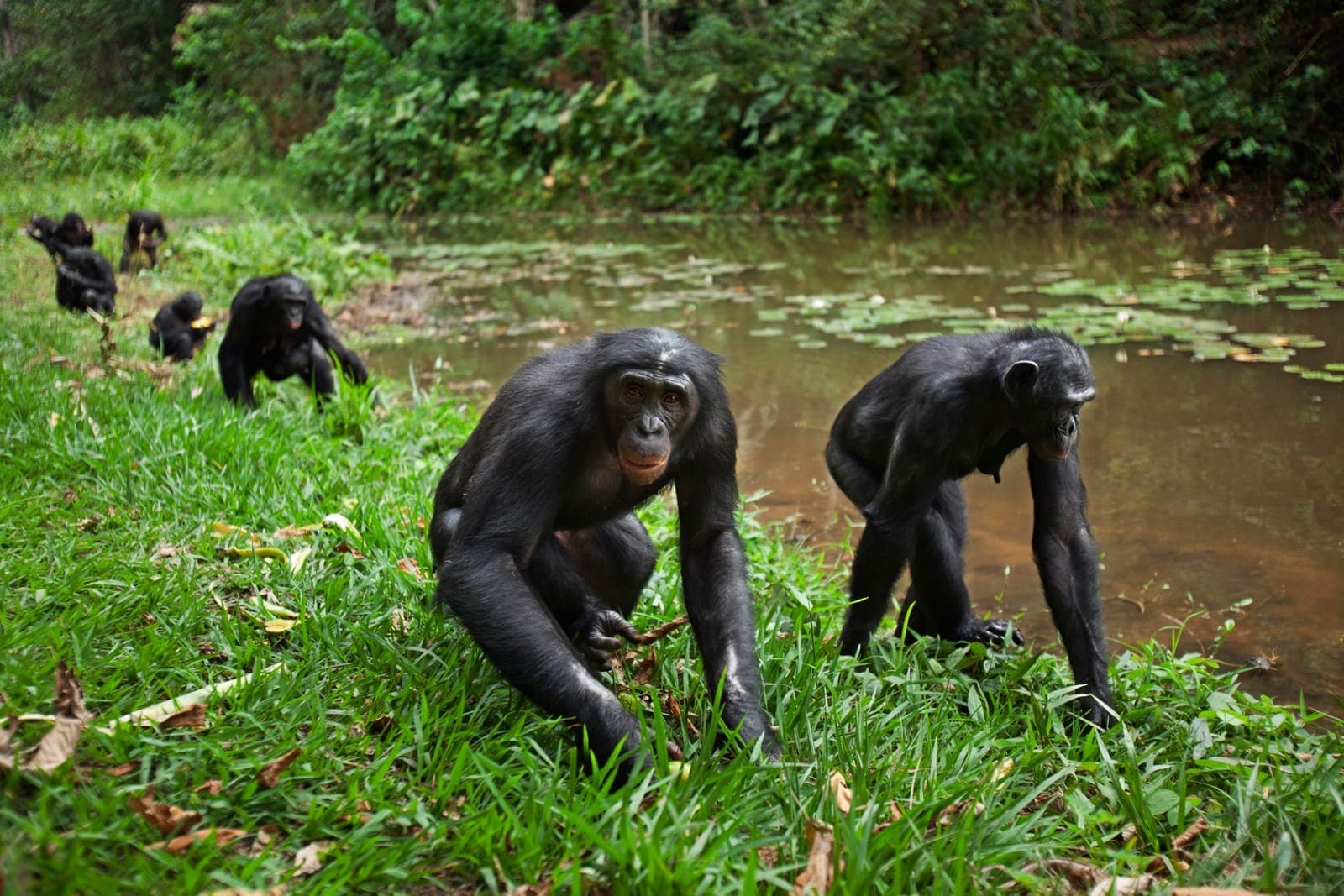
The DRC is a sanctuary for some of the world's rarest and most extraordinary animals. It is the only country on Earth where bonobos live in the wild—our closest human relatives, known for their intelligence, social harmony, and peaceful behavior. Deep within the Ituri Forest roams the okapi, a shy, giraffe-like animal with zebra-striped legs, unseen by the outside world until the 20th century and still found only in Congo.
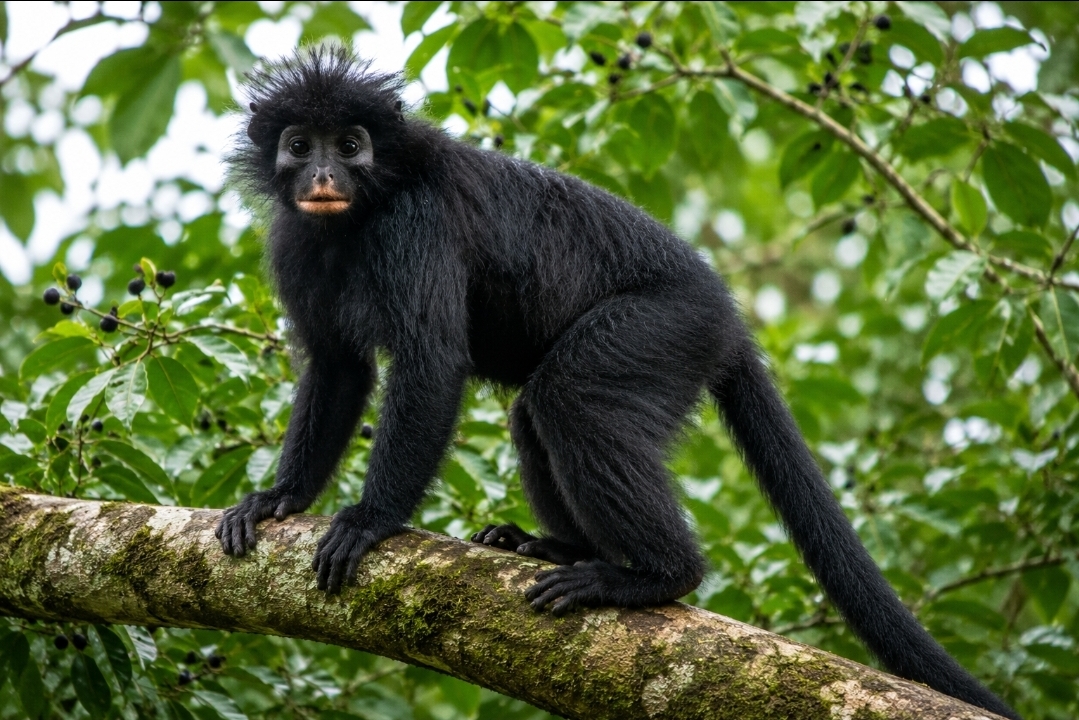
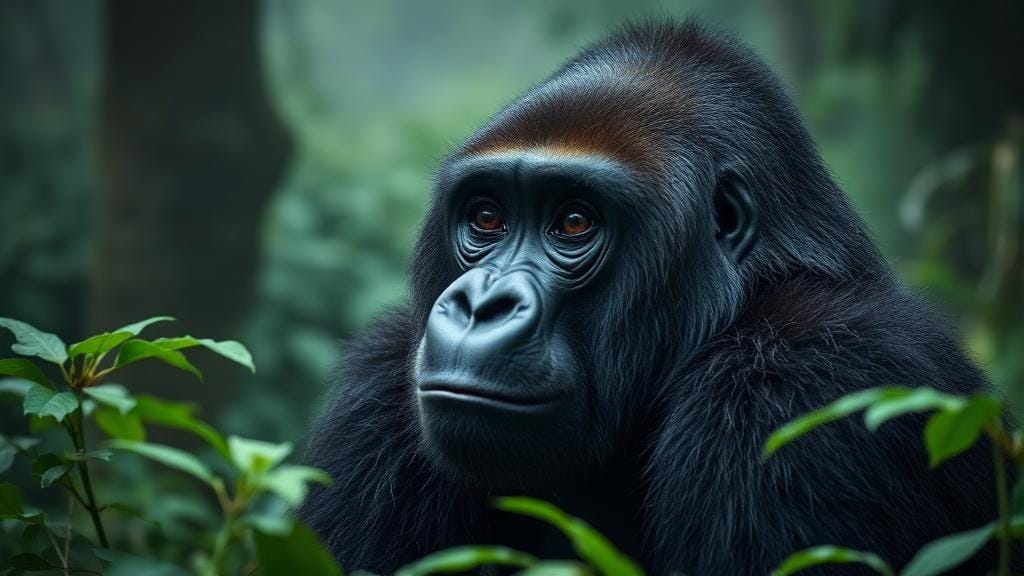
The country's forests are also home to forest elephants, smaller and rarer than their savannah cousins; bongo antelopes; giant forest hogs; leopards; African golden cats; and dozens of endemic primates. In the east, the misty slopes of Virunga and Kahuzi-Biega shelter mountain gorillas and eastern lowland gorillas, icons of global conservation whose survival depends directly on Congo's protection.
Birdlife is equally astonishing, with over 1,100 bird species, including endemic hornbills, turacos, Congo peafowl, and rare raptors. Reptiles, amphibians, and insects—many still unnamed by science—thrive in numbers unmatched anywhere else.
The Rainforests: Earth's Living Cathedral
Covering millions of hectares, the Congo rainforest is ancient, dense, and alive with sound. Towering trees, medicinal plants, and sacred forests form ecosystems that Indigenous communities have protected for centuries. These forests are not only biologically rich—they are spiritually and culturally alive, forming the backbone of traditional knowledge, healing practices, and sustainable living.
Beneath the canopy flow countless rivers and wetlands feeding the mighty Congo River, the world's deepest river and second most powerful by volume. Its waters host unique freshwater fish species found nowhere else, supporting livelihoods, food systems, and cultural identity.
Volcanoes, Lakes & Extreme Landscapes
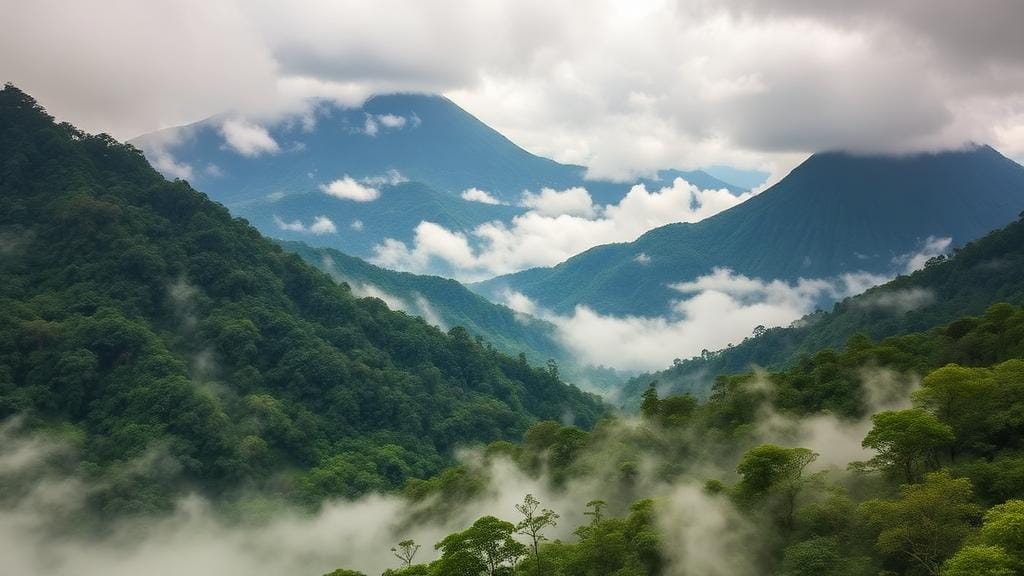
Eastern Congo adds dramatic geological diversity. Active volcanoes like Mount Nyiragongo, with one of the world's largest lava lakes, coexist with fertile lands, crater lakes, and biodiversity hotspots. Lake Kivu and Idjwi Island blend aquatic life, birds, and human harmony in a way few places still achieve.
Living Culture, Not Museum Culture
What makes the DRC truly unique is that its biodiversity exists alongside living cultures, not isolated from them. Over 450 ethnic groups, each with their own languages, music, dances, rituals, and ecological knowledge, continue to live in relationship with nature. From forest communities to river people, Congo's cultures are inseparable from its ecosystems.
Why the DRC Matters to the World
The DRC is not only Africa's biodiversity giant—it is a global ecological pillar. Protecting Congo means protecting the climate, future medicines, endangered species, and ancestral wisdom. What is lost here cannot be recreated elsewhere.
A Call to Discover, Respect, and Protect
To explore the DRC is to step into the last great Eden on Earth—a place where wildlife still rules, forests still breathe freely, and culture remains alive and sacred. Through responsible, community-led eco-tourism, travelers can witness this richness while helping ensure it survives for generations.
The Democratic Republic of the Congo is not just the world's #1 biodiversity country—it is the heartbeat of life on Earth.