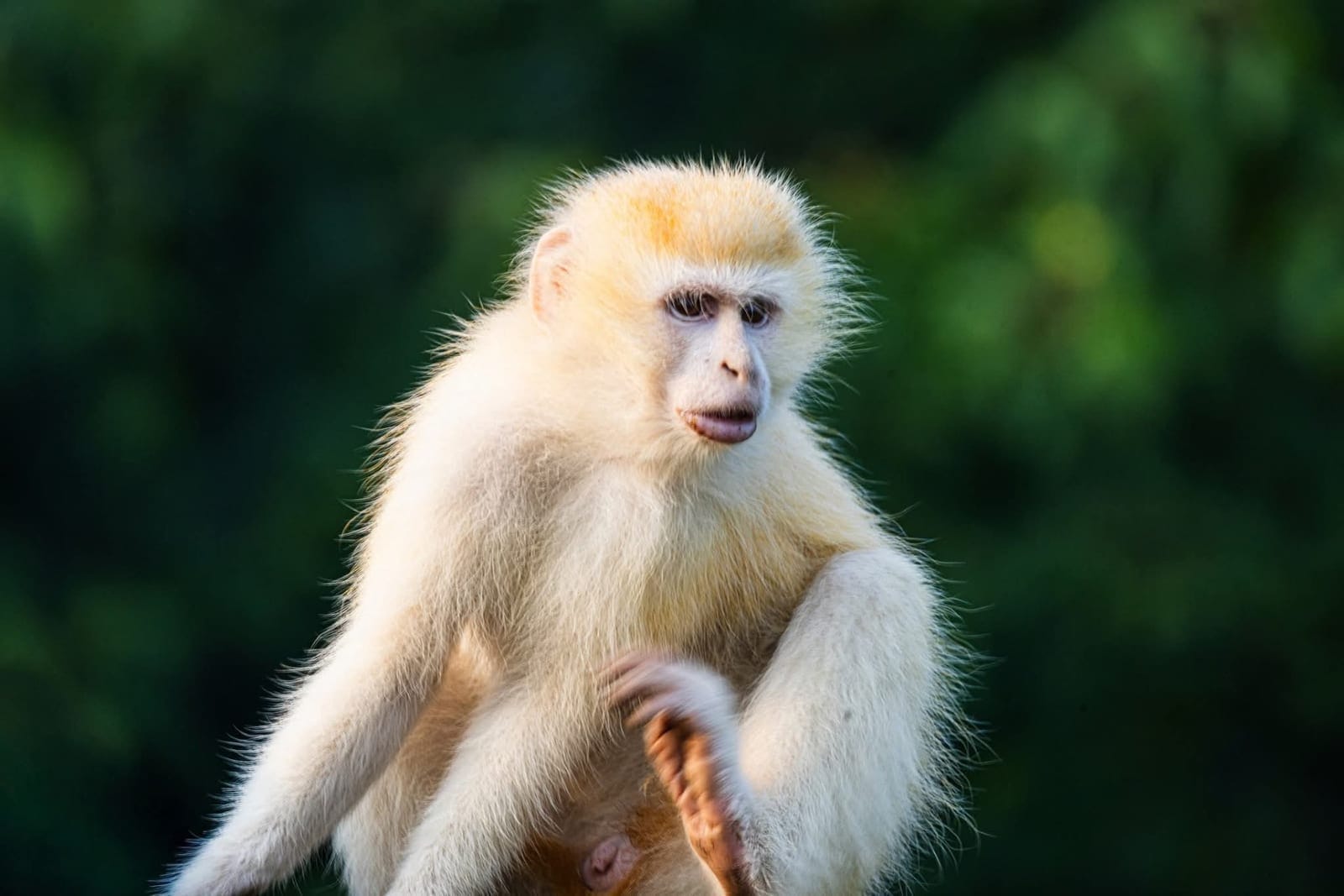
A rare albino vervet monkey has been captured on film in Lulimbi, within the central sector of Virunga National Park in the eastern Democratic Republic of the Congo (DRC).
Beyond its "once-in-a-lifetime" visual impact, this sighting is a powerful reminder that Virunga and the wider Congo Basin remain among the most important biodiversity strongholds on Earth—home to species, habitats, and genetic diversity that still surprise science.
Quick Highlights
- Species: Vervet monkey (*Chlorocebus pygerythrus*)
- Condition: Albinism (rare genetic mutation affecting melanin production)
- Location: Lulimbi, central sector of Virunga National Park (DRC)
- Why it matters: Signals genetic diversity, conservation value, and monitoring importance
What Is Albinism in Wildlife?
Albinism is a rare genetic condition caused by mutations that reduce or stop the production of melanin, the pigment responsible for coloration in skin, fur, feathers, and eyes.
In primates, albinism is considered extremely uncommon (often cited as fewer than 1 in 10,000 individuals). Albino animals may show:
- White or very pale fur
- Light-colored or pinkish eyes
- Higher sensitivity to sunlight
- Greater visibility to predators
Because these traits can reduce survival odds in the wild, documenting an albino primate in a complex ecosystem like Virunga is particularly remarkable.
Why This Sighting Matters for Virunga and the Congo Basin
The Congo Basin is the world's second-largest tropical rainforest and one of its most biodiverse. Virunga National Park is globally significant because it protects a mosaic of habitats—forests, savannas, wetlands, lakes, and volcanic landscapes—supporting:
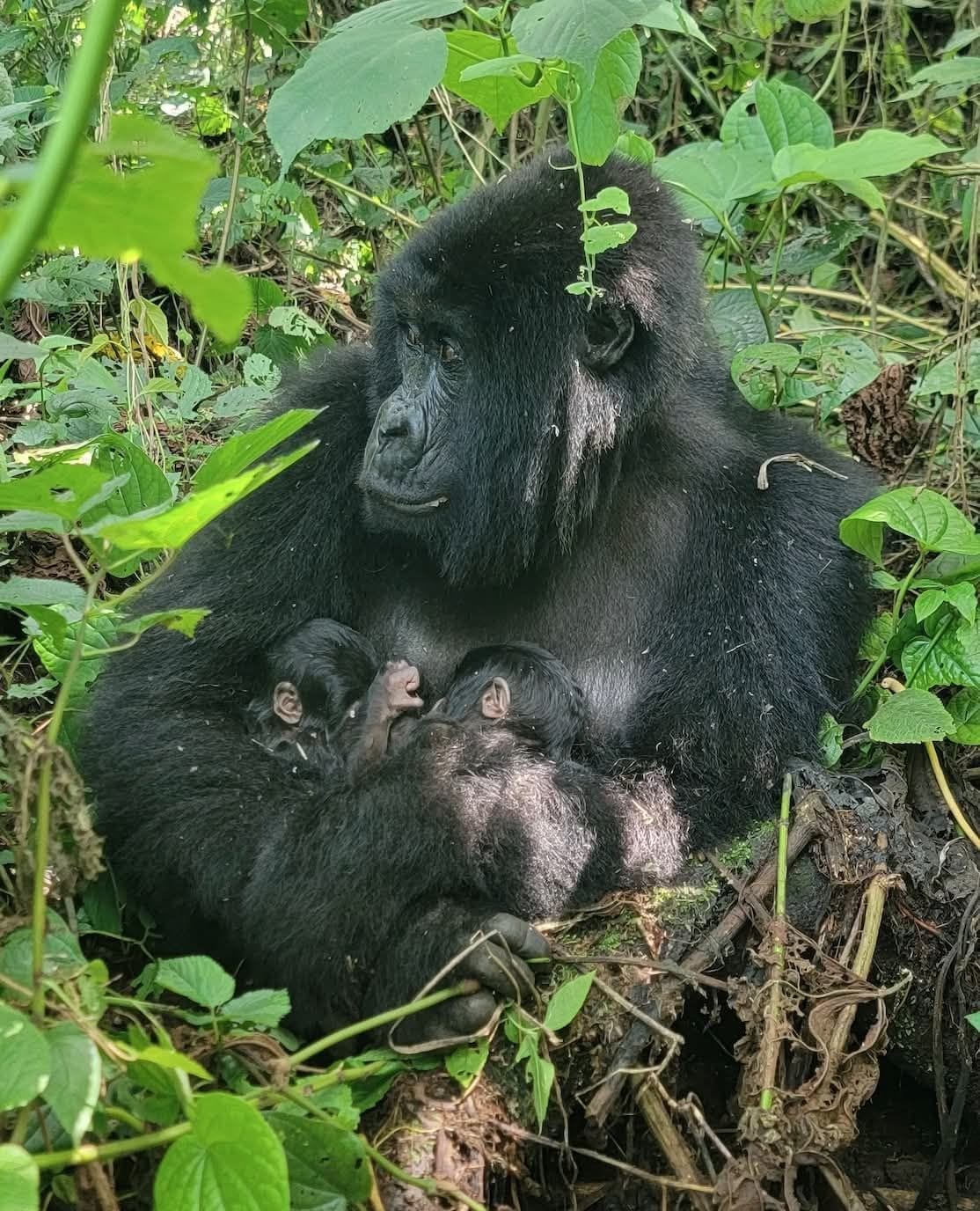
- Mountain gorillas
- Chimpanzees
- Forest elephants
- Okapis (in the broader Congo region)
- Hundreds of bird species
- Rare and endemic primates
The appearance of an albino vervet monkey reinforces three conservation realities:
- Virunga is a sanctuary for rare wildlife
- Biodiversity monitoring matters (rare sightings often come from consistent field presence)
- Genetic diversity is an ecosystem asset—and worth protecting
Lulimbi: A Hidden Biodiversity Gem Inside Virunga
Lulimbi (in Virunga's central sector) is known for its rich habitat mosaic, where forest edges meet open areas and water systems. These transitions create "biodiversity intersections" where primates, birds, and larger mammals can thrive.
Rare encounters like this are exactly why responsible conservation investment and sustainable tourism are essential in the DRC:
- Conservation funding supports ranger presence and ecological monitoring
- Tourism revenue can strengthen protected area management
- Community participation creates longer-term stewardship
Virunga National Park: Africa's Oldest National Park
Established in 1925, Virunga is widely recognized as Africa's oldest national park and is listed as a UNESCO World Heritage Site. It has faced complex security and environmental pressures, yet it remains one of the continent's most iconic protected areas.
Virunga's conservation model (and global support) continues to focus on:
- Protecting threatened species
- Supporting community resilience and livelihoods
- Strengthening nature-based tourism where conditions allow
- Safeguarding critical ecosystems in the Congo Basin
Visiting Virunga National Park Responsibly
For travelers seeking authentic nature experiences, Virunga is known for:
- Gorilla trekking
- Volcano hikes (including iconic routes when accessible)
- Birdwatching
- Nature photography
- Conservation and research tourism
Visits are conducted under regulated, professional supervision to reduce ecological impact and prioritize safety.
DRCTourism tip: Always check real-time travel advisories and park-access updates before planning your Virunga visit, with a clear understanding of open/limited/closed status and recommended alternatives when access is restricted.
Protecting Rare Wildlife in the DRC
This albino vervet monkey sighting is more than a rare photo moment—it's a reminder of the fragile beauty and value of Congo's natural heritage.
Protecting biodiversity at this level requires:
- Strengthened conservation financing
- Sustainable tourism models
- Community engagement
- International ecological partnerships
- Transparent monitoring and reporting
The DRC is not only a country of minerals and rivers—it is one of Earth's last great biodiversity strongholds.
Final Thought
Moments like this rare encounter in Virunga remind us that the Congo Basin still holds extraordinary natural wonders—some so rare they rewrite what we think we know about wildlife survival.
Discover Congo. Protect Congo. Experience Congo.
FAQ
Is albinism common in vervet monkeys? No. Albinism in primates is considered very rare, often cited as fewer than 1 in 10,000 individuals.
Does an albino monkey have lower chances of survival in the wild? Often yes, due to visibility to predators and sensitivity to sunlight, but survival depends on habitat, group protection, and other factors.
Where is Lulimbi located? Lulimbi is within Virunga National Park's central sector in eastern DRC, known for rich habitat diversity.
Why is this sighting important for conservation? It highlights genetic diversity and reinforces the global ecological value of Virunga and the Congo Basin, supporting the case for long-term protection and monitoring.
Can tourists visit Virunga National Park? Tourism can be possible under regulated conditions, depending on safety and official park access updates.