The Congo Basin is the second largest tropical rainforest on Earth, covering over 200 million hectares across six countries — with the Democratic Republic of Congo holding more than 60% of it. But calling it "second" to the Amazon undersells its planetary importance.
The Carbon Story
In 2020, a landmark study published in *Nature* revealed something the scientific community had long suspected: the Congo Basin is now a more effective carbon sink than the Amazon. While the Amazon has begun releasing more carbon than it absorbs due to deforestation and fire, the Congo Basin continues to sequester approximately 1.5 billion tonnes of CO₂ per year.
This makes the Congo Basin the world's most important terrestrial carbon sink — and the single most critical forest for regulating the global climate.
Biodiversity Beyond Compare
The Congo Basin shelters an astonishing concentration of life:
- Over 10,000 plant species, 30% of which are found nowhere else on Earth
- 1,000+ bird species — the highest concentration in Africa
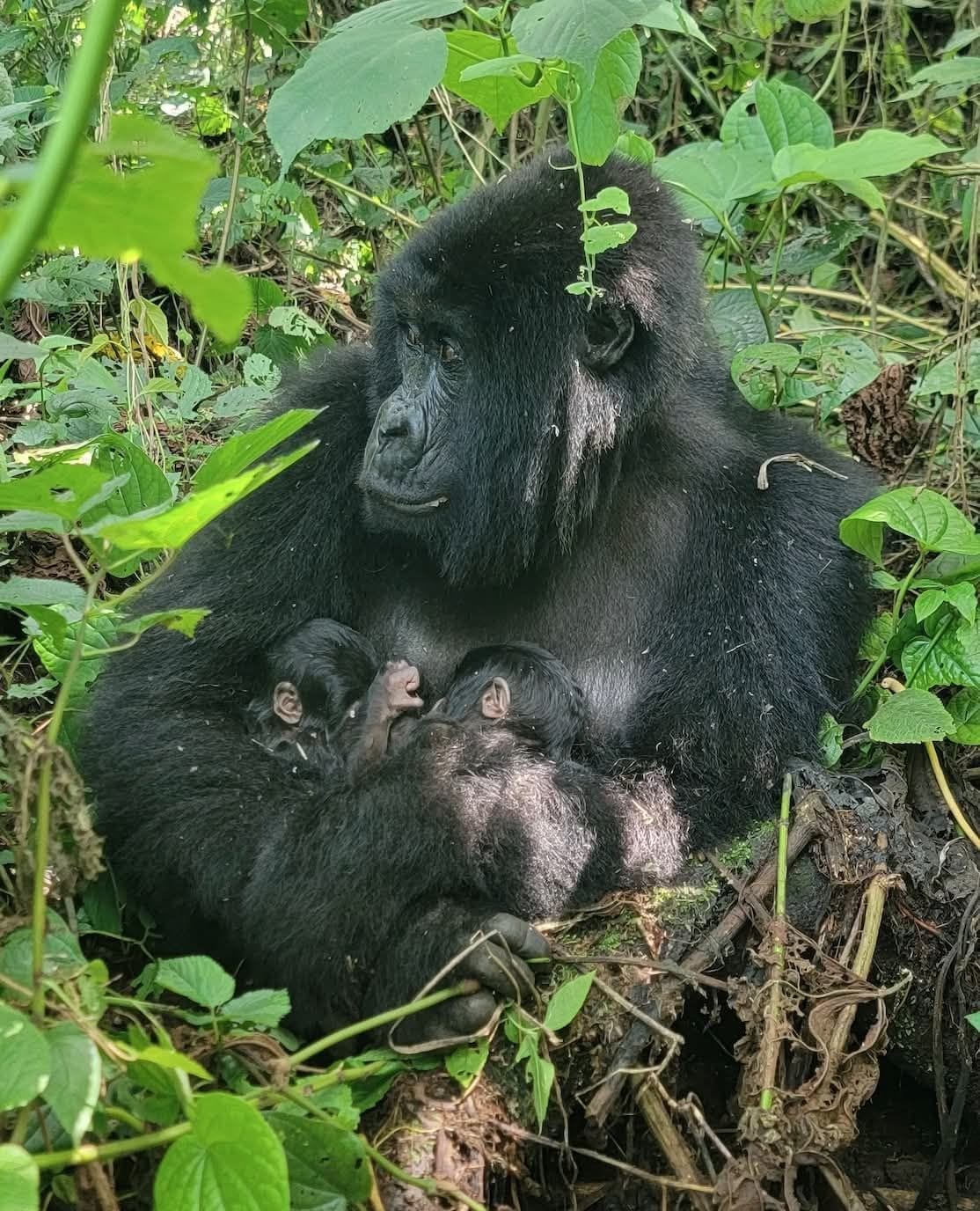
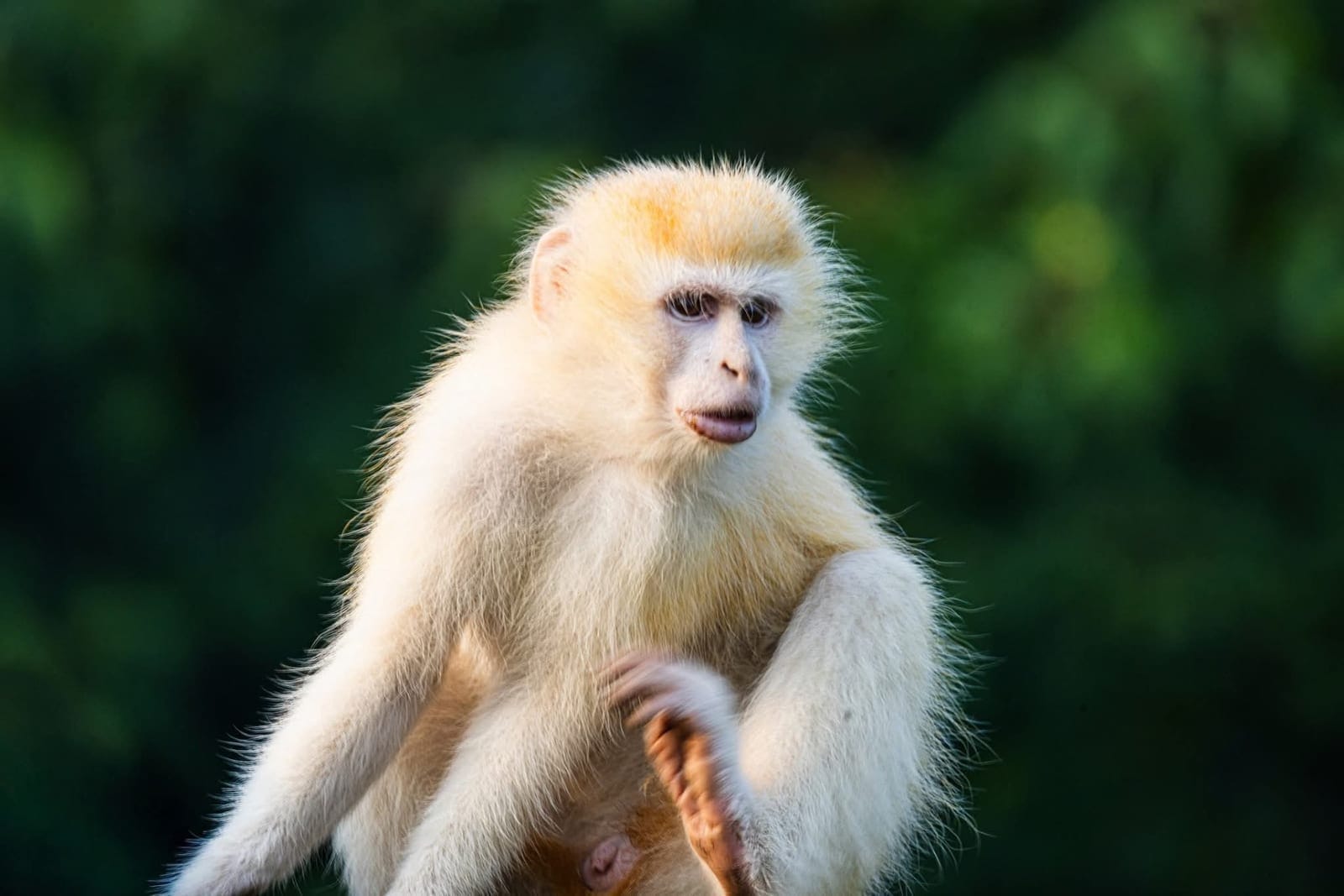
- 480+ mammal species, including mountain gorillas, bonobos, forest elephants, and okapis
- More than 700 fish species in the Congo River system alone
- The world's entire wild bonobo population — approximately 50,000 individuals
The DRC alone contains more mammal species than any other country in Africa and ranks among the top five most biodiverse nations on the planet.
The People of the Forest
Approximately 75 million people depend directly on the Congo Basin for food, water, medicine, and shelter. This includes over 150 distinct ethnic groups and some of the world's last remaining indigenous forest communities, including the Mbuti, Twa, and Baka peoples.
These communities have been stewards of the forest for thousands of years. Their traditional land management practices — including rotational farming, controlled burning, and sacred forest reserves — have helped maintain the forest's integrity far longer than any modern conservation programme.
Threats to the Congo Basin
Despite its importance, the Congo Basin faces mounting pressures:
- Industrial logging concessions cover over 50 million hectares
- Agricultural expansion, particularly for palm oil, is accelerating
- Artisanal and industrial mining operations fragment forest corridors
- Population growth increases demand for charcoal — the primary cooking fuel in the DRC
- Climate change is altering rainfall patterns and increasing drought frequency
Between 2001 and 2020, the DRC lost approximately 17 million hectares of tree cover — an area larger than the entire country of Greece.
Tourism as a Conservation Tool
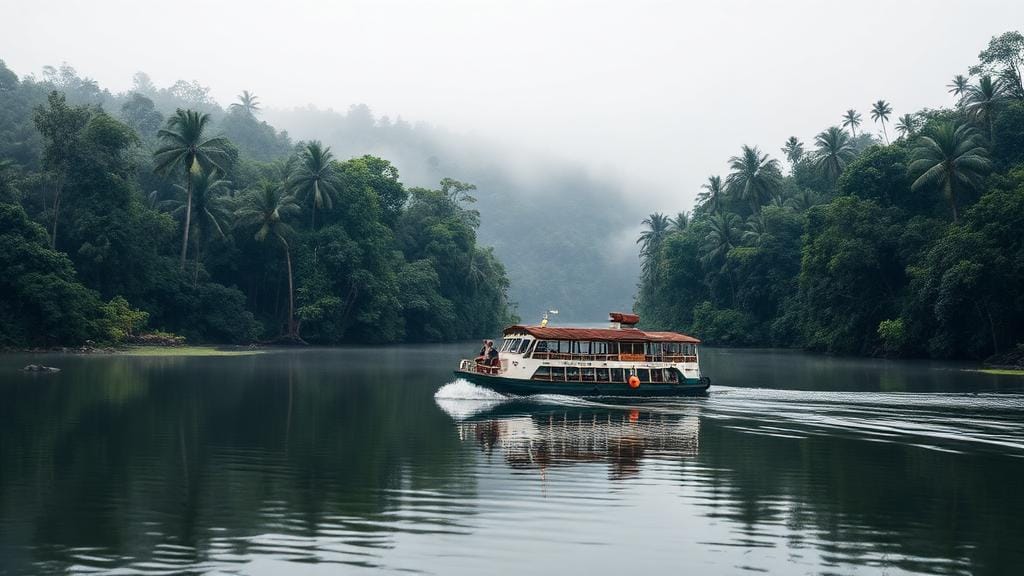
Responsible tourism is one of the most powerful tools for protecting the Congo Basin. When international visitors pay for gorilla permits, lodge stays, and guided experiences, that revenue flows directly into:
- Anti-poaching ranger salaries and equipment
- Community benefit-sharing programmes
- Reforestation and habitat restoration projects
- Environmental education for local communities
In Virunga National Park alone, tourism revenue has funded the employment of over 700 rangers and supported dozens of community development projects.
What You Can Do
Every visit to the DRC is a vote for the forest. By choosing responsible travel experiences and certified eco-lodges, travellers directly fund the protection of the world's most important ecosystem.
The Congo Basin doesn't just belong to the DRC. It belongs to every person on Earth who breathes. And right now, it needs every visitor it can get.