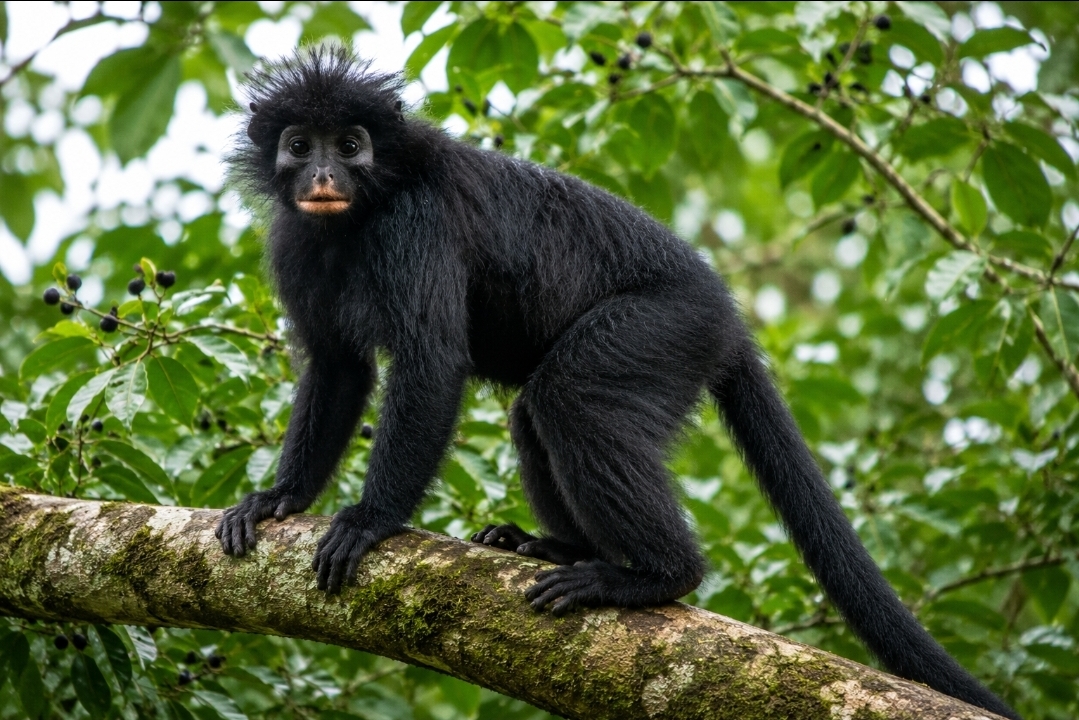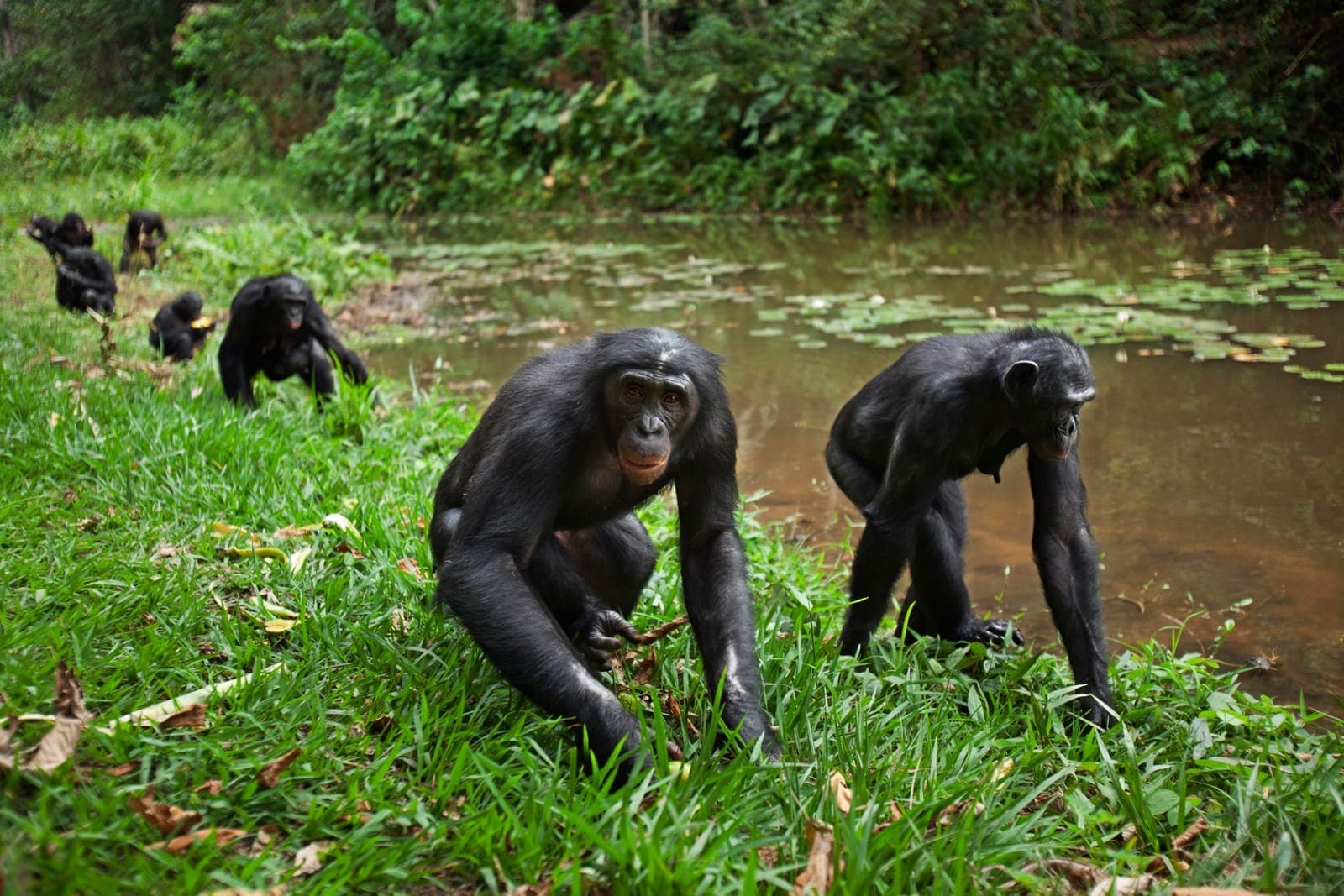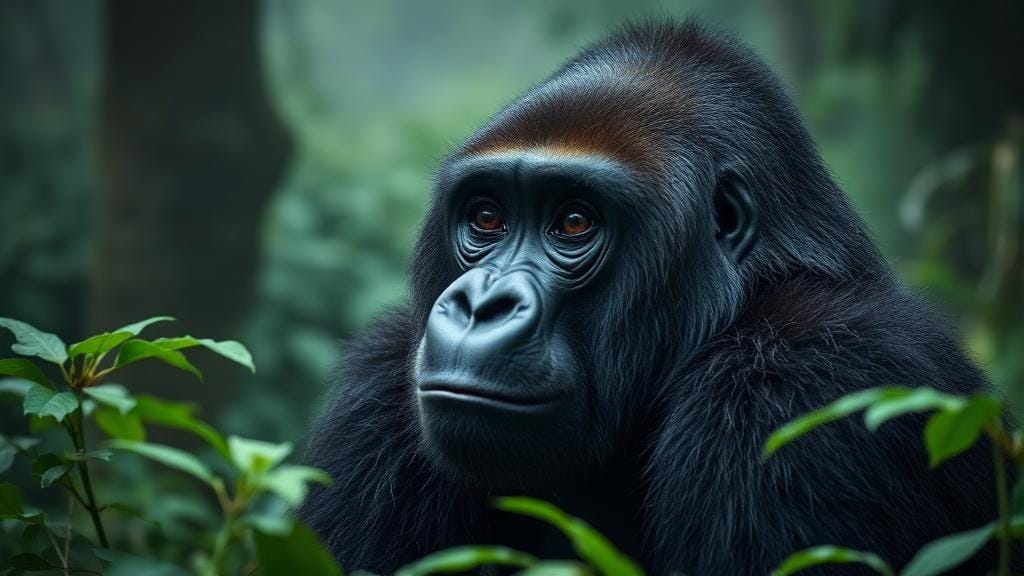

Bonobo conservation in Congo is one of the most critical wildlife protection efforts on the planet. Bonobos—our closest living relatives alongside chimpanzees—exist only in the Democratic Republic of Congo (DRC), within the dense rainforests of the Congo Basin. Their survival depends entirely on conservation actions taken inside Congo's borders.
Unlike many endangered species, bonobos have no alternative habitat anywhere else in the world. If they disappear from Congo, they disappear from Earth.
Where Bonobo Conservation Takes Place in the DRC
Salonga National Park - Africa's largest tropical rainforest national park and a UNESCO World Heritage Site, protecting the largest remaining population of wild bonobos. Conservation efforts include bonobo population monitoring, anti-poaching patrols, habitat preservation across 36,000 km² of rainforest, and community-based conservation partnerships.
Congo Basin - The ecological foundation of bonobo survival: one of the world's most important carbon sinks, home to unparalleled biodiversity, and critical for global climate stability.
Major Threats to Bonobos in the Wild
Bonobo conservation efforts focus on mitigating habitat loss and forest degradation, illegal hunting and bushmeat trade, human encroachment, and limited enforcement capacity in remote areas.
How Bonobo Conservation Works in Congo
Bonobo conservation in the DRC is built on four pillars:
Ranger Protection - Highly trained rangers patrol protected areas to prevent poaching and illegal activities.
Scientific Research - Researchers monitor bonobo populations, behavior, and health to inform long-term protection strategies.
Community Engagement - Local communities are supported through education, sustainable livelihoods, and conservation incentives.
Responsible Ecotourism - Low-impact, ethical tourism provides funding for conservation while raising global awareness.
Why Bonobo Conservation in Congo Matters Globally
Bonobos share over 98% of human DNA. Their peaceful, cooperative social behavior offers insight into human evolution. Their rainforest habitat is vital for climate regulation.
Protecting bonobos contributes directly to biodiversity preservation, climate resilience, and scientific knowledge worldwide.
Discover our bonobo conservation and eco-tourism packages in the Democratic Republic of Congo and help protect one of humanity's closest relatives.