
Key Highlights
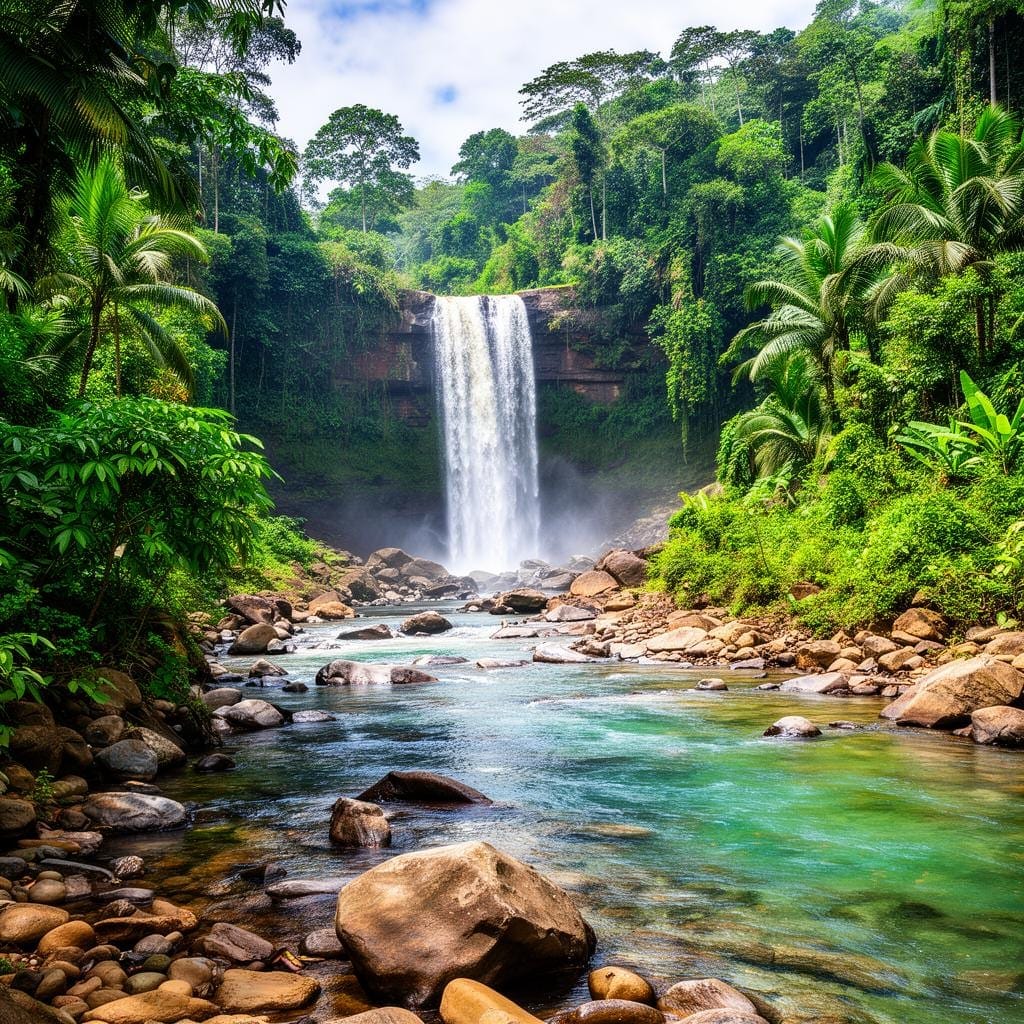
Scenic waterfall and river system
Surrounded by lush vegetation
Natural freshwater site for relaxation
Ideal for nature exploration
Popular local nature escape
Strong eco-tourism potential
Why Visit Vampa Waterfall & River – Kimpese, Central Kongo
Vampa Waterfall and River offer a refreshing natural retreat in Central Kongo Province. Known for its flowing cascades, clear waters, and peaceful surroundings, Vampa is a perfect destination for travelers seeking nature, calm, and authentic outdoor experiences away from urban centers. The site reflects the region's rich hydrological landscape and provides an opportunity to connect with Congo's natural environment through low-impact, community-friendly tourism. This hidden gem represents one of Central Kongo's most accessible natural attractions.
Ready to explore Vampa Waterfall & River – Kimpese, Central Kongo?
Our travel experts can craft a personalized itinerary for your Congo adventure.
Activities & Experiences
Best Time to Visit
Year-round. Rainy season for stronger flow, dry season for walking and photography.
Travel Tips
Wear comfortable, non-slip shoes. Bring water and sun protection. Respect the natural environment. Visit with a local guide for safety. Contact bookings@drctourism.com | +353 899 443 480
Location
-5.5500°, 14.4300°
Map integration coming soon
Last updated: February 2026
Reviewed by DRCTourism Research Team — Destinations & Conservation Division