
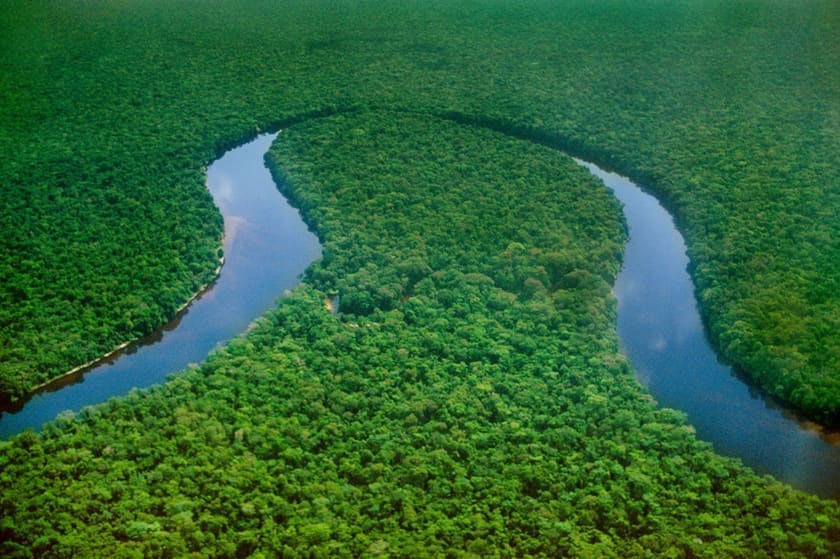
The Congo River: World's Deepest River
Stretching 4,700 kilometres through the heart of the continent, the Congo River is the deepest river on Earth, the second largest by water volume, and the lifeline of Central Africa. For travellers, it offers an experience that exists nowhere else.
The Numbers That Define the Congo
The Congo River drains an area of 3.7 million square kilometres — an area larger than India. It is the only major river to cross the equator twice, creating unique ecological conditions that support extraordinary biodiversity. Its waters are second only to the Amazon in volume, yet the Congo remains Africa's least-explored great waterway.
Experiences on the Congo River
Pool Malebo Cruise
Cruise the wide stretch between Kinshasa and Brazzaville — the only two national capitals visible from each other across a river. Half-day and sunset options available.
Multi-Day River Expedition
Journey upriver through the Congo Basin, stopping at fishing villages, island communities, and riverside markets. The ultimate African adventure.
Fishing Community Visits
Meet the river communities who have fished the Congo for generations. Learn traditional techniques and share meals prepared from the day's catch.
Photography Expeditions
Capture the Congo at golden hour — dramatic river sunsets, fishermen silhouetted against the water, and the dense forest canopy along the banks.
Kinsuka Rapids
Witness the raw power of the Congo at the Kinsuka rapids near Kinshasa, where the river narrows and accelerates through ancient rock formations.
Mangrove Estuary Tour
At the river's mouth in Kongo Central, explore the mangrove ecosystems where the Congo meets the Atlantic Ocean near Muanda.
The Congo as a Cultural Lifeline
For millions of Congolese, the river is more than geography — it is the primary transport corridor, food source, and cultural reference point. River trade has shaped the DRC's economy for centuries, with barges carrying goods between Kinshasa and Kisangani on a journey that can take weeks. For visitors, witnessing this living commerce is a profound window into Central African life.
The river also holds deep spiritual significance for many communities. Oral traditions describe the Congo as the artery of the land, connecting the interior forests to the Atlantic coast and binding together over 200 ethnic groups who call its banks home.
Wildlife Along the Congo River
The Congo River basin supports one of the densest concentrations of biodiversity on Earth. Over 700 fish species inhabit the river — more than any other river system in Africa. The rapids sections near Kinshasa contain dozens of endemic cichlid species found nowhere else on the planet.
Along the tributaries, forest elephants, bonobos, and hippos are found in protected areas. The birdlife is exceptional, with kingfishers, African fish eagles, and grey parrots common along the riverbanks. The flooded forest zones during wet season create unique aquatic habitats visited by researchers from around the world.
Best Time to Visit
The dry season (June–September) offers the calmest waters and clearest skies for river expeditions. The wet season (October–May) brings higher water levels, which can make multi-day journeys faster but more challenging. For photography, the dramatic skies of the transitional months (May and October) produce the most stunning light conditions.
Frequently Asked Questions
How deep is the Congo River?
The Congo River reaches depths exceeding 220 metres in some sections, making it the deepest river in the world. Near Kinshasa, depths regularly exceed 100 metres.
Can tourists take a boat trip on the Congo River?
Yes — licensed operators offer half-day Pool Malebo cruises, full-day fishing excursions, and multi-day upriver expeditions. All depart from Kinshasa.
Is the Congo River safe for tourists?
Licensed river operators follow strict safety protocols with life jackets, experienced captains, and satellite communication. Stick with accredited operators listed in our directory.