
Key Highlights
Critical bonobo habitat corridor
Major Kasaï River tributary
Forest elephant territory
Traditional river communities
Conservation priority zone
Endemic primate populations
Why Visit Sankuru River
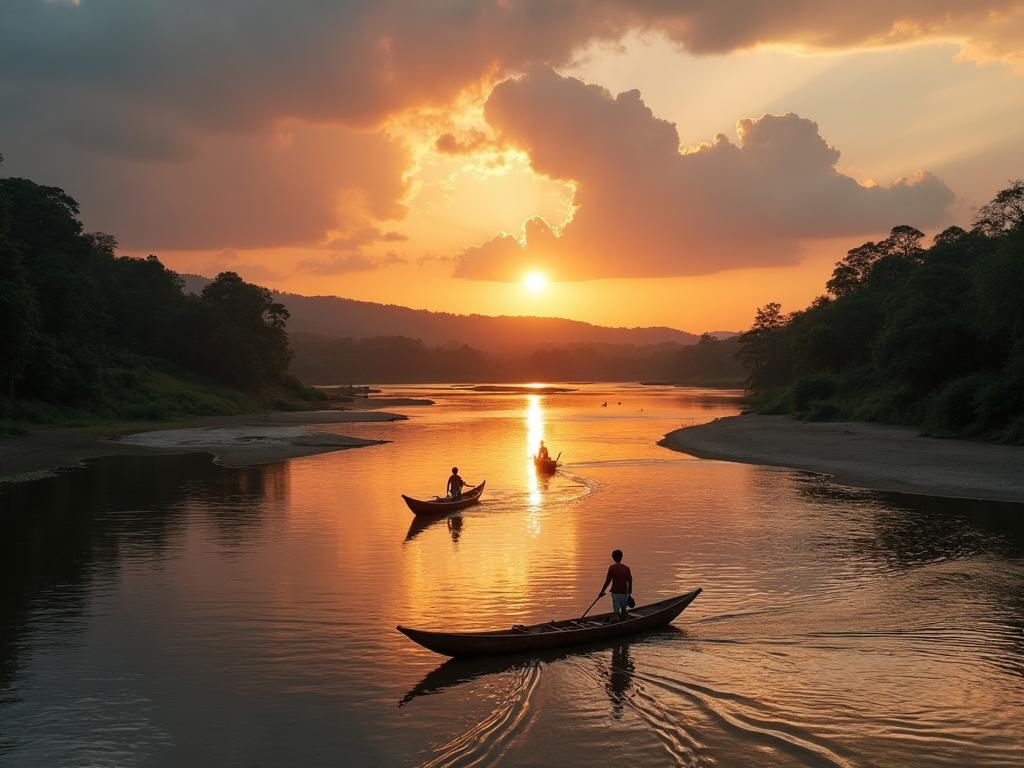
The Sankuru River is a major tributary of the Kasaï River, flowing through Sankuru and Kasaï provinces in central DRC. This significant waterway passes through some of the most important bonobo habitat in the world, making it a critical conservation corridor for our closest primate relatives. The Sankuru's forests support diverse wildlife including endemic primates, forest elephants, and exceptional birdlife. Traditional communities along the river maintain ancestral connections to the waterway, with fishing, transport, and cultural practices shaped by the Sankuru's flow. The river provides essential ecological connectivity between protected areas, enabling wildlife movement and genetic exchange. For conservation-minded travelers, the Sankuru offers unparalleled opportunities to support bonobo protection while experiencing authentic river culture.
Ready to explore Sankuru River?
Our travel experts can craft a personalized itinerary for your Congo adventure.
Activities & Experiences
Best Time to Visit
June–September for navigation; year-round for primate observation.
Travel Tips
Conservation permits required. Work with registered operators. Duration: 7–12 days. Contact bookings@drctourism.com | +353 899 443 480
Location
-3.5000°, 23.5000°
Map integration coming soon
Last updated: February 2026
Reviewed by DRCTourism Research Team — Destinations & Conservation Division