
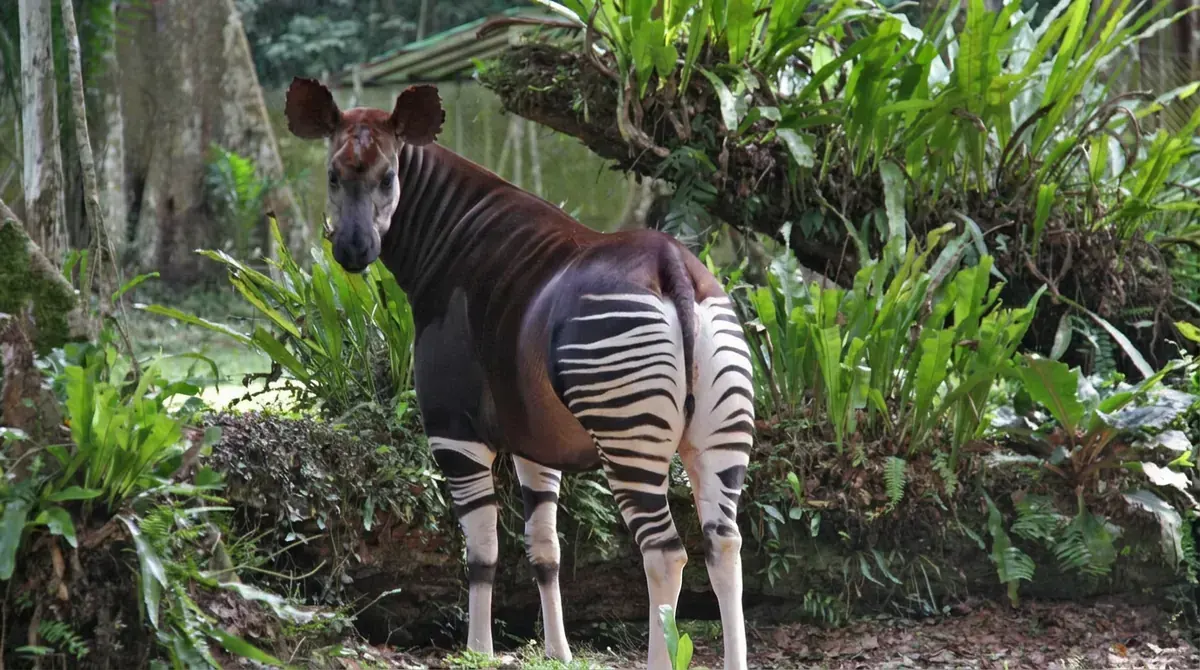
Key Highlights
UNESCO World Heritage Site
Home of the endemic okapi – found nowhere else on Earth
Dense tropical rainforest canopy
Rivers and wetlands supporting aquatic life
Exceptional bird, insect, and plant diversity
Multiple primate species and forest mammals
Indigenous Mbuti and Efe communities
Anti-poaching and wildlife monitoring programs
Climate regulation and carbon storage
Why Visit Okapi Wildlife Reserve (UNESCO)
The Okapi Wildlife Reserve is one of Africa's most important rainforest conservation areas and a UNESCO World Heritage Site located in the heart of the Ituri Forest in northeastern Democratic Republic of Congo. Covering vast tracts of primary tropical rainforest, the reserve protects extraordinary biodiversity and is the last natural refuge of the okapi (Okapia johnstoni), a species found nowhere else on Earth. This destination is designed for conservation-focused travelers, wildlife & nature enthusiasts, researchers & academic institutions, photographers & documentary teams, and conscious travelers seeking meaningful impact. Visiting the Okapi Wildlife Reserve is not tourism as usual — it is participation in conservation. The okapi, often called the 'forest giraffe', is endemic to the DRC, a symbol of Congo's natural heritage, and a flagship species for rainforest protection. The reserve is home to Indigenous communities, including the Mbuti and Efe peoples, whose ancestral knowledge has sustained the forest for generations. Tourism here respects Indigenous rights and consent, supports community-led conservation, preserves traditional ecological knowledge, and creates ethical, community-based livelihoods.
Ready to explore Okapi Wildlife Reserve (UNESCO)?
Our travel experts can craft a personalized itinerary for your Congo adventure.
Activities & Experiences
Best Time to Visit
June to September for best forest access.
Travel Tips
Domestic flights to northeastern DRC hubs. 4×4 and guided forest access. Permits required and coordinated in advance. All visits managed through DRCTourism.com in partnership with park authorities. Contact bookings@drctourism.com | +353 899 443 480
Location
1.9500°, 28.5000°
Map integration coming soon
Last updated: February 2026
Reviewed by DRCTourism Research Team — Destinations & Conservation Division