Key Highlights
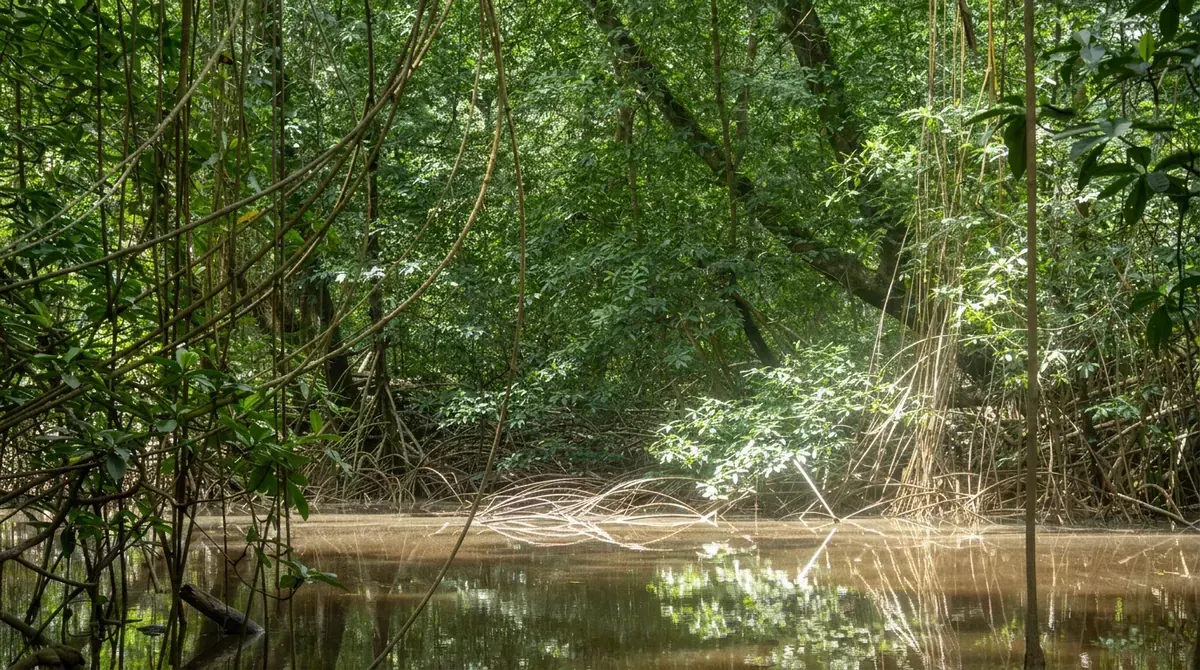
Protected mangrove ecosystem
Critical habitat for marine life and birds
Atlantic coast and Congo River estuary
Major site for conservation-focused eco-tourism
Supports fisheries and coastal biodiversity
Educational opportunities on marine ecosystems
Why Visit Mangrove Marine Park – Muanda, Central Kongo
The Mangrove Marine Park in Muanda is one of Central Kongo's most important coastal ecosystems. Mangroves play a vital role in protecting shorelines, supporting fisheries, and preserving marine biodiversity. Visiting the park offers travelers a rare opportunity to explore coastal conservation in action while discovering the ecological link between the Atlantic Ocean and the Congo River. This destination is ideal for visitors interested in nature, marine conservation, birdlife, and responsible eco-tourism.
Ready to explore Mangrove Marine Park – Muanda, Central Kongo?
Our travel experts can craft a personalized itinerary for your Congo adventure.
Activities & Experiences
Best Time to Visit
Year-round. Dry season for boat access, early mornings for birdwatching.
Travel Tips
Visit with a licensed local guide. Wear light clothing and sun protection. Use eco-friendly insect repellent. Respect conservation rules. Contact bookings@drctourism.com | +353 899 443 480
Location
-5.9300°, 12.3500°
Map integration coming soon
Last updated: February 2026
Reviewed by DRCTourism Research Team — Destinations & Conservation Division