
Key Highlights
Links Lake Mweru to Lualaba River system
Rich freshwater fish biodiversity
Traditional fishing communities
Riparian forest corridors
Birdwatching destination
Cultural heritage of fishing techniques
Why Visit Luvua River
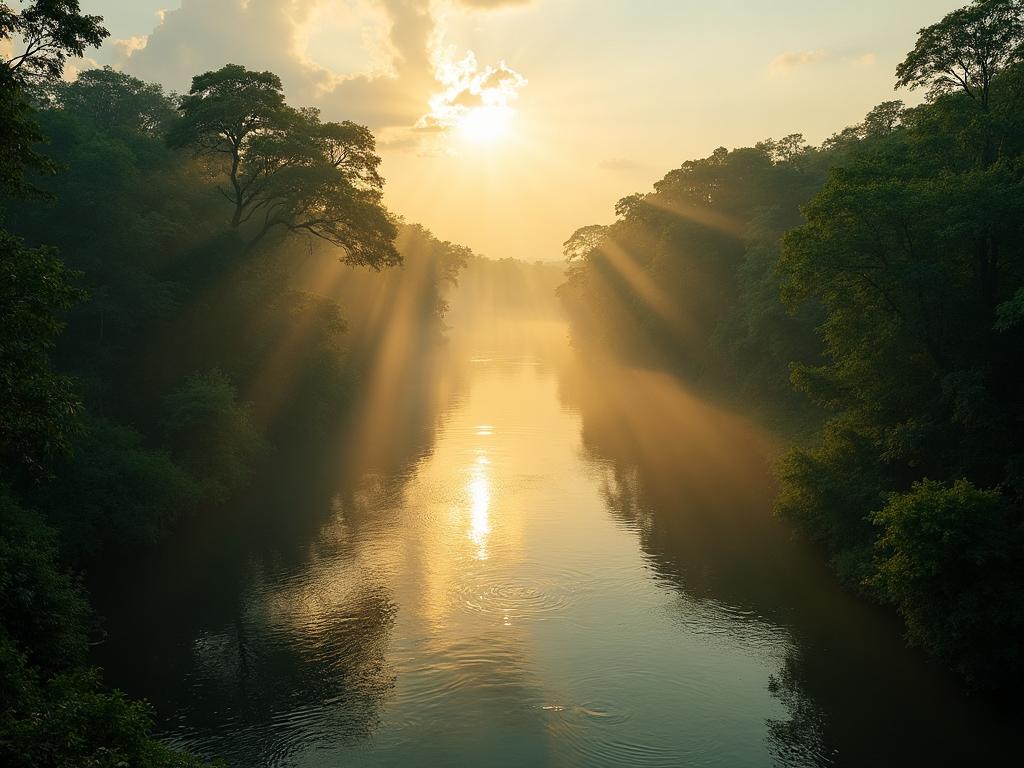
The Luvua River is a significant watercourse in southeastern DRC, flowing from Lake Mweru through Tanganyika and Haut-Katanga provinces before joining the mighty Lualaba River. This vital hydrological link supports extensive freshwater ecosystems, including fish species shared with Lake Mweru's unique biodiversity. Traditional fishing communities along the Luvua have developed specialized techniques passed down through generations, creating a living cultural heritage tied to the river's rhythms. The Luvua plays a crucial role in regional hydrology, connecting lake ecosystems to the greater Congo Basin. Its banks host riparian forests, wetlands, and diverse birdlife, making it an exceptional destination for nature observation and authentic cultural encounters with fishing villages.
Ready to explore Luvua River?
Our travel experts can craft a personalized itinerary for your Congo adventure.
Activities & Experiences
Best Time to Visit
May–October for best access and fishing activity; April–May for bird migrations.
Travel Tips
Remote destination requiring advance planning. Work with local guides. Duration: 5–8 days. Contact bookings@drctourism.com | +353 899 443 480
Location
-8.0000°, 28.5000°
Map integration coming soon
Last updated: February 2026
Reviewed by DRCTourism Research Team — Destinations & Conservation Division