
Key Highlights
Structured neighborhoods around industrial zones
Colonial-era administrative and residential architecture
Rail and road systems for mineral transport
Worker housing and social infrastructure
Gécamines mining heritage
Post-independence urban transformation
Why Visit Likasi
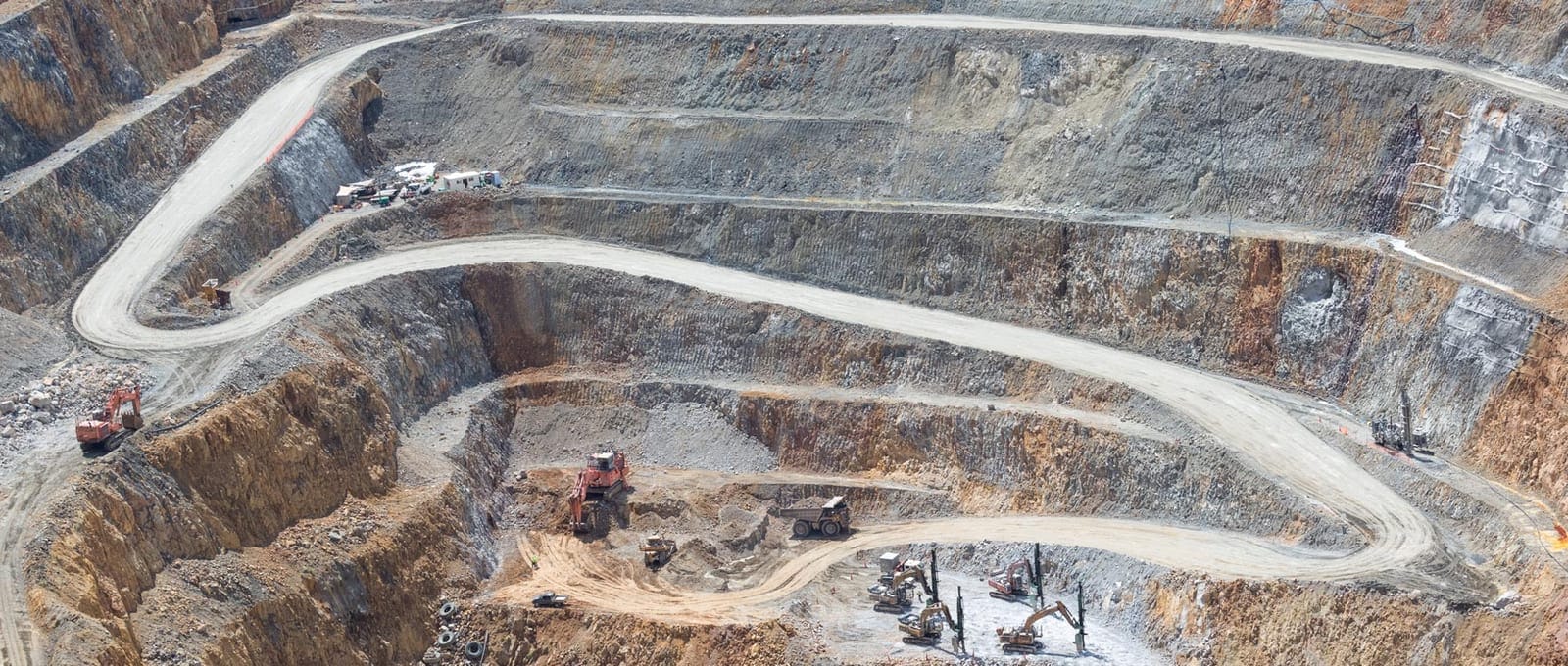
Likasi is one of southern Congo's most historically significant industrial cities, shaped by colonial-era urban planning and decades of mining-led development. Formerly known as Jadotville, Likasi stands as a living archive of Central Africa's industrial history, where minerals transformed not only the economy, but also landscapes, labor systems, architecture, and social life. The city developed as a planned industrial city, designed to support large-scale mining operations in Haut-Katanga. Today it offers a powerful destination for travelers interested in industrial heritage, social history, and urban culture.
Ready to explore Likasi?
Our travel experts can craft a personalized itinerary for your Congo adventure.
Activities & Experiences
Best Time to Visit
April to October for pleasant weather.
Travel Tips
Fly to Lubumbashi International Airport. Road transfer to Likasi. Easy access within the city for guided tours. All visits coordinated through DRCTourism.com. Contact info@drctourism.com | +243 815 955 963
Location
-10.9800°, 26.7300°
Map integration coming soon
Last updated: February 2026
Reviewed by DRCTourism Research Team — Destinations & Conservation Division