
Key Highlights
Global cobalt supply center
Energy transition significance
Mining landscape tours
ESG and ethics discussions
Investment and business tourism
Community transition projects
Why Visit Kolwezi & Lualaba Province
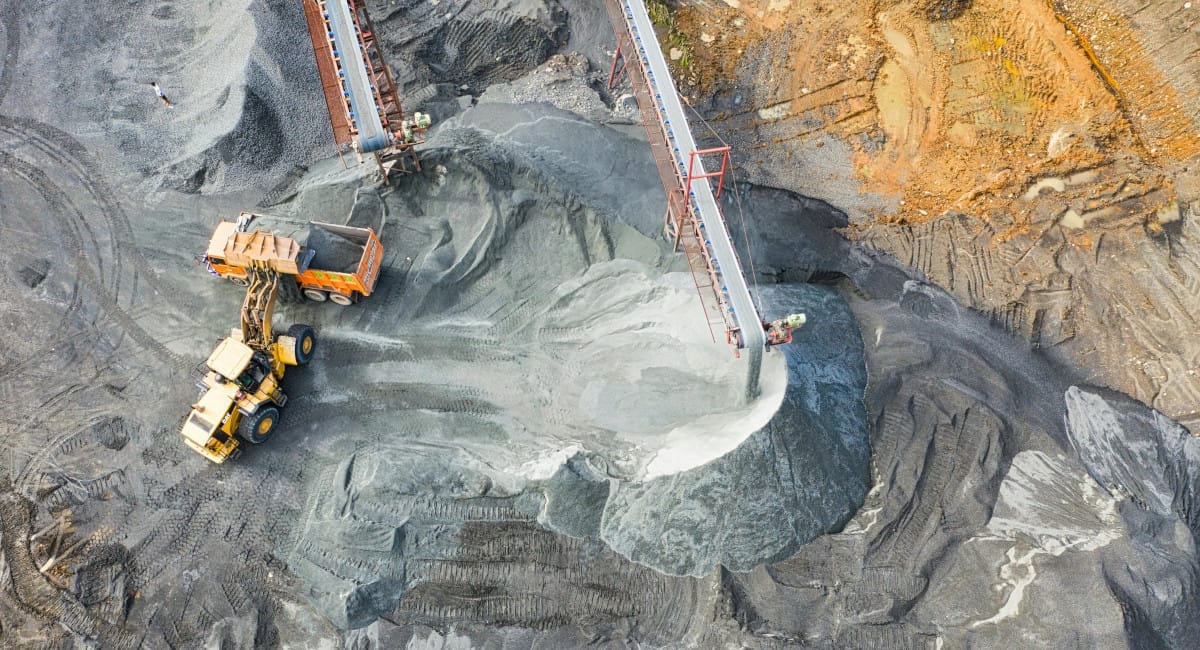
Lualaba Province is one of the most strategically important regions on the planet. Home to Kolwezi, it sits at the center of Africa's Copperbelt, producing a significant share of the world's copper, cobalt, and strategic minerals essential to electric vehicles, renewable energy storage, and modern technology. Beyond mining, Lualaba is emerging as a destination for eco-industrial tourism, education, investment discovery, and community transition projects, offering visitors a rare opportunity to understand how natural resources shape the modern world. Lualaba hosts some of the largest and most mineral-rich deposits in the world with vast open-pit and underground mining sites.
Ready to explore Kolwezi & Lualaba Province?
Our travel experts can craft a personalized itinerary for your Congo adventure.
Activities & Experiences
Best Time to Visit
April to October for dry season.
Travel Tips
Fly to Kolwezi Airport. 4x4 transport within mining corridors. Site access coordinated with authorities. Contact bookings@drctourism.com | +353 899 443 480
Location
-10.7200°, 25.4700°
Map integration coming soon
Last updated: February 2026
Reviewed by DRCTourism Research Team — Destinations & Conservation Division