
Key Highlights
One of Africa's richest endemic bird zones
Deep primary rainforest canopy layers
Natural migration corridors & breeding grounds
Minimal human disturbance in core zones
Critical site for global bird conservation
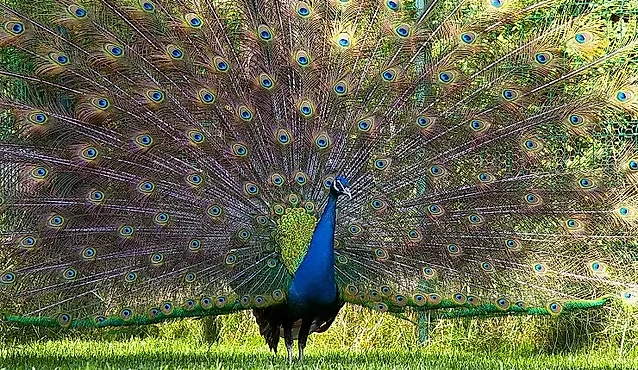
Congo Peacock (Afropavo congensis) – Endemic & iconic
African Grey Parrot (wild populations)
Rare sunbirds, hornbills & turacos
Why Visit Endemic Bird Habitats of Ituri
The Endemic Bird Habitats of Ituri represent one of Africa's most important and least-explored ornithological treasures. Hidden within the dense Ituri Rainforest, this region shelters rare, endemic, and globally significant bird species found nowhere else on Earth. The constant canopy humidity, ancient trees, and layered forest structure create perfect micro-habitats for specialized avian life. For scientists, photographers, and nature lovers, Ituri is a living laboratory of wings, color, and sound. Features include one of Africa's richest endemic bird zones, deep primary rainforest canopy layers, natural migration corridors & breeding grounds, minimal human disturbance in core zones, and critical site for global bird conservation.
Ready to explore Endemic Bird Habitats of Ituri?
Our travel experts can craft a personalized itinerary for your Congo adventure.
Activities & Experiences
Best Time to Visit
March – May: Peak breeding & vocalization season. September – November: Migratory bird activity. Early mornings offer the best sightings & soundscapes.
Travel Tips
Access only with licensed local guides & conservation partners. Quiet movement essential — avoid loud clothing & colors. Waterproof gear, binoculars & insect protection required. Respect all no-access nesting zones. No playback devices allowed in sensitive breeding areas. Contact info@drctourism.com or WhatsApp +353 89 944 3480.
Location
1.9000°, 29.9000°
Map integration coming soon
Last updated: February 2026
Reviewed by DRCTourism Research Team — Destinations & Conservation Division