
Key Highlights
One of Central Africa's largest chimpanzee populations
Forest elephants and rare antelope species
Leopards, monkeys, and endemic birdlife
Unique primate behaviors documented by researchers
Dense tropical rainforest and forest-savanna transition zones
Seasonal rivers and wetlands
Anti-poaching patrols and biodiversity monitoring
Community-led conservation initiatives
Why Visit Bili-Uele Protected Area
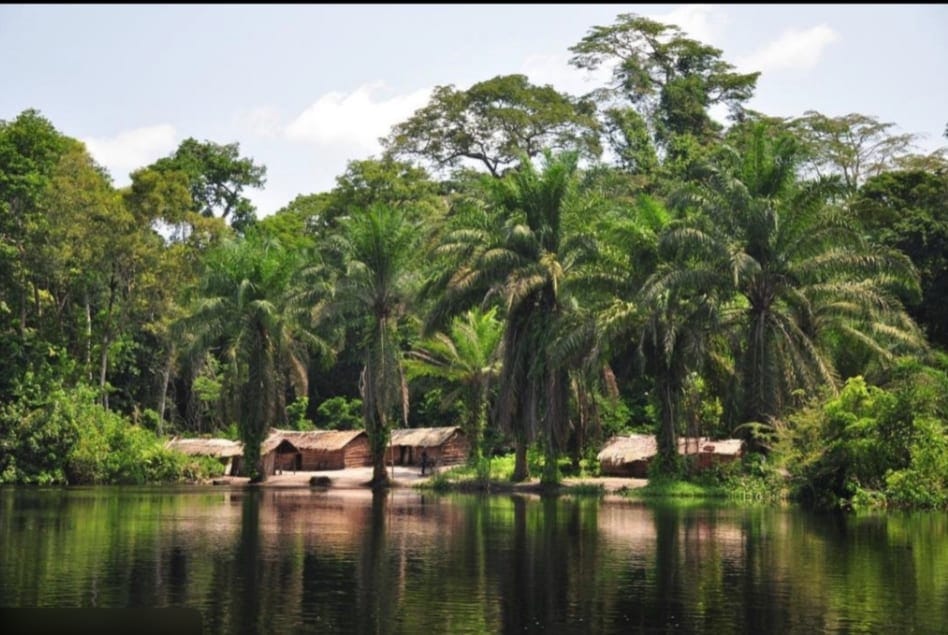
The Bili-Uele Protected Area is one of the largest and least disturbed wilderness areas in Africa, located in northern Democratic Republic of Congo, between the Uele River basin and the Central Congo rainforest. Covering vast expanses of primary rainforest, forest–savanna mosaic, and remote river systems, Bili-Uele is internationally recognized for its exceptional biodiversity, large primate populations, and ongoing scientific research. This destination is designed for serious eco-tourists & explorers, conservation-driven travelers, researchers & universities, wildlife photographers & documentary teams. Bili-Uele is not mass tourism – it is true wilderness access: limited, purposeful, and conservation-led. The area is globally known for one of Central Africa's largest chimpanzee populations, forest elephants and rare antelope species, leopards, monkeys, and endemic birdlife, and unique primate behaviors documented by researchers. The area has been the focus of long-term primatological and ecological studies, making it a living laboratory for understanding the Congo Basin. Local communities play a critical role as forest guardians and conservation partners.
Ready to explore Bili-Uele Protected Area?
Our travel experts can craft a personalized itinerary for your Congo adventure.
Activities & Experiences
Best Time to Visit
June to September for dry season access.
Travel Tips
Domestic flights to northern DRC hubs. 4×4 and foot access into protected zones. Permits and authorizations required. All visits coordinated through DRCTourism.com in collaboration with conservation authorities. Contact bookings@drctourism.com | +353 899 443 480
Location
4.3500°, 25.5000°
Map integration coming soon
Last updated: February 2026
Reviewed by DRCTourism Research Team — Destinations & Conservation Division