The Congo Basin: Why Congo Matters to the Planet
A vital carbon sink, biodiversity ark, and lifeline for global climate stability
Core Truth: The Congo Basin's health directly influences global weather patterns, from Sahel droughts to Amazon rainfall. Losing it would accelerate climate chaos by 2050.
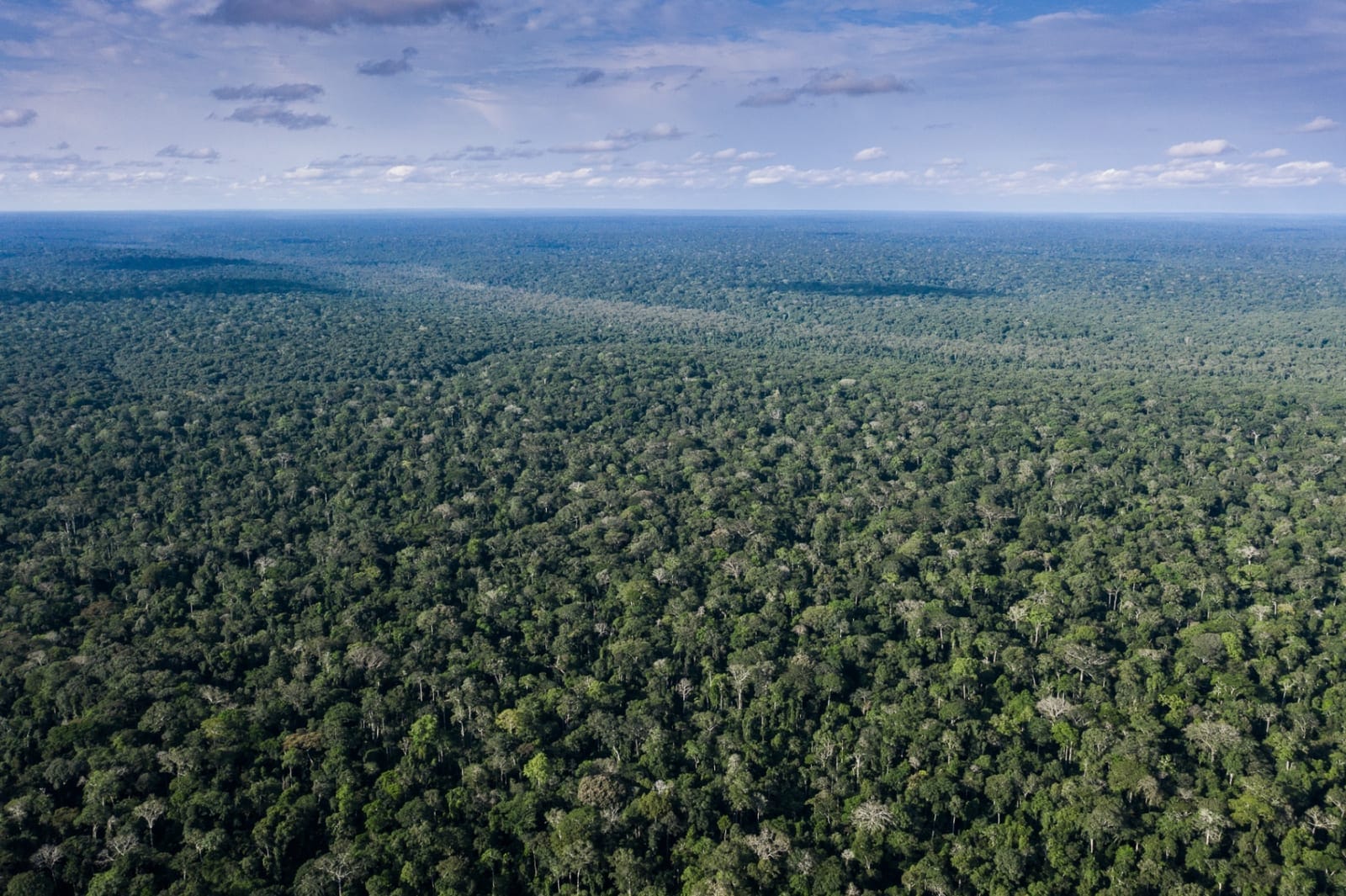
Spanning the heart of Central Africa, the Congo Basin stands as the world's second-largest rainforest, a verdant expanse of 1.78 million square kilometers that dwarfs entire nations and pulses with life. As a major global carbon sink, it sequesters around 600 million tonnes of CO₂ annually—equivalent to offsetting emissions from major economies—while stabilizing climates across Africa and beyond.
This ancient ecosystem, largely within the Democratic Republic of the Congo (DRC), is also a biodiversity ark, sheltering gorillas, bonobos, elusive okapi, and over 10,000 plant species, many found nowhere else. In an era of escalating climate threats, the DRC's stewardship of this basin isn't just regional pride—it's a lifeline for the planet.
The Immense Scale: Earth's Second-Largest Rainforest
The Congo Basin eclipses the size of Western Europe, covering approximately 3.7 million square kilometers overall, with its contiguous humid rainforests spanning 1.78 million square kilometers—second only to the Amazon.
Dominated by the DRC, which holds over 60% of the forest cover (about 1.5 million square kilometers), this basin formed over 100 million years ago as tectonic shifts created a stable, equatorial cradle.
Its layered canopy—towering emergent trees up to 60 meters high, draped in epiphytes and lianas—creates a microclimate of perpetual humidity and warmth, fostering unparalleled ecological complexity.
1.78M
km² Rainforest
60%
In the DRC
60m
Canopy Height
100M
Years Old
A Planetary Carbon Fortress: Stabilizing Global Climate
Often called the "lungs of Africa," the Congo Basin is a colossus in the fight against climate change, storing an estimated 30 billion tonnes of carbonin its biomass and peatlands alone—more than the Amazon's equivalent per area.
Annually, it absorbs 600 million tonnes of CO₂, balancing emissions from industries worldwide and generating over $1 trillion in ecosystem services like rainfall regulation and air purification.
This sink extends beyond sequestration: the basin's evapotranspiration drives the African monsoon, watering crops for 75 million people and influencing Atlantic hurricanes.
Climate Impact
Your eco-tourism dollars in the DRC directly fund protection efforts, turning wanderlust into climate action.
Biodiversity Eden: A Haven for Endemic Wonders
The Congo Basin teems with life, hosting over 10,000 vascular plant species, 400 mammals, 1,000 birds, and 700 fish—many endemic to its shadowed realms.
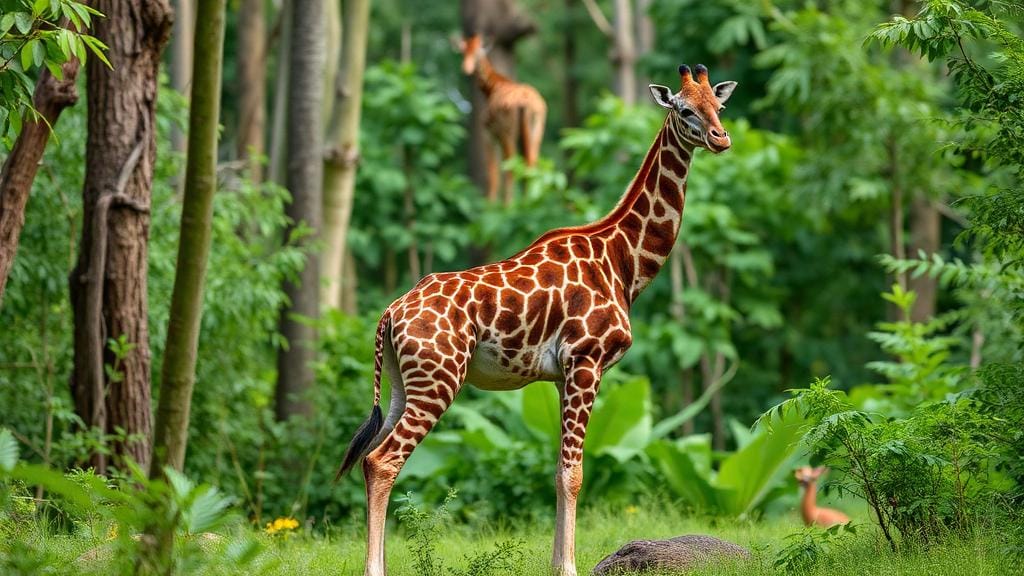
Okapi
The "forest unicorn" — zebra-striped, giraffe relatives with populations rebounding to ~25,000.
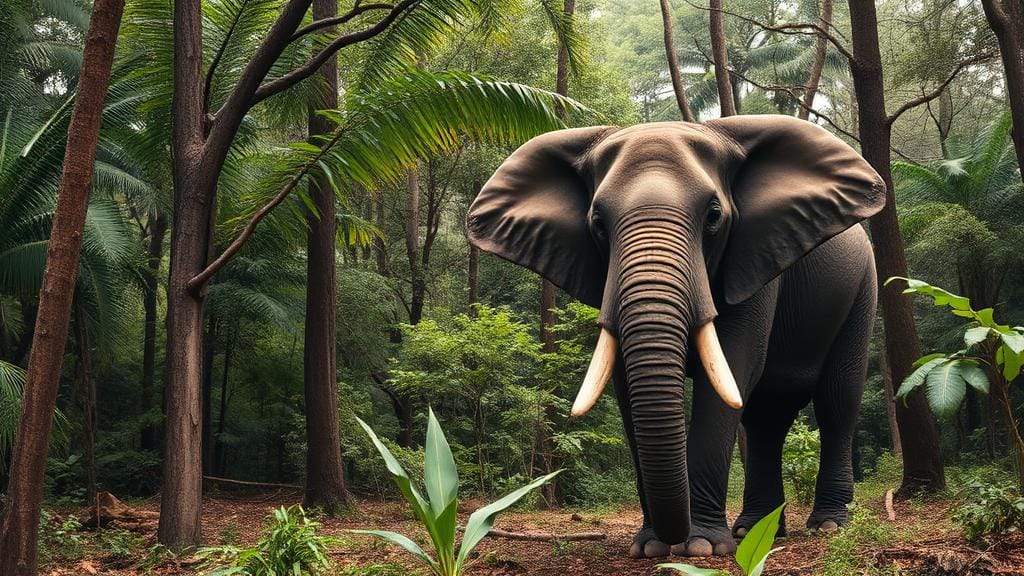
Forest Elephants
Engineering the landscape through seed dispersal, creating clearings essential for forest regeneration.
10,000+
Plant Species
30% endemic flora found nowhere else on Earth
742
New Species
Discovered since 2014, from fish to reptiles
The DRC's Pivotal Role: From Cradle to Climate Guardian
The Democratic Republic of the Congo encompasses 70% of the basin's rainforest, making it the linchpin for global preservation. Since the 1920s, with Virunga's founding as Africa's first national park, the DRC has pioneered protections amid challenges like conflict and mining.
Today, partnerships with the EU and World Bank channel billions into carbon credits and community forests, with 2025's Strategic Partnership aiming to halt losses by 2030. Despite a 10% area loss since 1990, resilient peatlands and indigenous knowledge keep the basin a net sink—a fragile equilibrium the DRC defends daily.
By prioritizing Congo-led initiatives, the world ensures this stabilizer endures.
Eco-Tourism: Fueling Protection in the Congo Basin
Visiting the DRC isn't passive sightseeing—it's participatory conservation. Trekking fees in Virunga and Salonga fund ranger patrols that removed 5,000+ snares in 2025, while homestays empower local Efe and Baka communities.
Low-impact adventures, from canopy walks to river safaris, generate €46Million annuallyfor basin safeguards, proving tourism can be a force for planetary health.
In 2025, with COP30 looming, the DRC invites global travelers to amplify this impact—your footprint becomes a forest's future.
Ready to Stand with the Congo Basin?
Every journey supports the protection of Earth's most vital rainforest ecosystem.