
Where Do Gorillas Really Come From?
Discover why the Democratic Republic of the Congo is the origin of gorilla conservation and trekking
Gorillas originate in Central Africa, with the Democratic Republic of the Congo (DRC) hosting the most ecologically significant gorilla habitats on Earth. Long before gorilla trekking became a tourism activity, conservation science began in Congo's rainforests. The DRC is home to:
- Mountain gorillas — Protected in the Virunga Mountains
- Eastern lowland (Grauer's) gorillas — Found ONLY in Congo
- Africa's oldest gorilla-protected landscapes
Key sites include Virunga National Park and Kahuzi-Biega National Park, both internationally recognized for their biodiversity value. Gorilla trekking did not begin as a product — it began as conservation.
The Native Habitat of Gorillas: Why the DRC Stands Out
Gorillas are native to the lush, equatorial rainforests and montane forests of sub-Saharan Africa, but the Democratic Republic of the Congo serves as their epicenter. Spanning over 2.3 million square kilometers, the DRC's vast Congo Basin — the world's second-largest rainforest — provides the ideal environment for these majestic primates.
With dense vegetation, abundant fruit sources, and misty highlands, the region's biodiversity supports thriving gorilla populations that number in the thousands. Unlike more fragmented habitats elsewhere, the DRC's unbroken forest corridors allow gorillas to roam freely, fostering genetic diversity and natural behaviors.
This is why conservationists often refer to the DRC as the "lungs of Africa" for gorillas — a critical stronghold amid global threats like habitat loss and poaching.
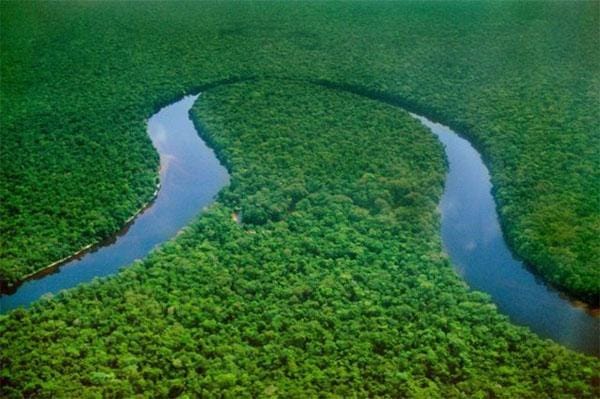
2.3M km²
Congo Basin Forest Area
Gorilla Species in the DRC: A Unique Diversity
The DRC isn't just home to gorillas; it's the only place on Earth where you can find the world's rarest and most diverse gorilla subspecies coexisting.
Mountain Gorillas
Virunga Mountains
These gentle giants inhabit the volcanic slopes of the Virunga Mountains, shared with Rwanda and Uganda but with the largest population in the DRC — over 300 individuals protected within Virunga National Park.
Known for their thick fur adapted to cooler altitudes, they face ongoing challenges from conflict but have seen remarkable recovery through dedicated efforts.
Eastern Lowland Gorillas
Endemic to the DRC
Also known as Grauer's Gorillas, this critically endangered species is the largest living primate after humans, with populations concentrated in the lowland forests of Kahuzi-Biega National Park.
Once numbering over 17,000, their decline to fewer than 6,000 highlights the urgent need for protection — a mission the DRC has led since the 1970s.
The History of Gorilla Conservation: Roots in the DRC Rainforests
Africa's First National Park
Establishment of Albert National Park (now Virunga), Africa's first national park, created explicitly to safeguard mountain gorillas and other wildlife.
Kahuzi-Biega National Park
Became a beacon for eastern lowland gorilla protection, as poaching surged globally.
International Cooperation
Launch of the International Gorilla Conservation Programme (IGCP), uniting DRC, Rwanda, and Uganda in transboundary efforts.
Conservation Success
Mountain gorillas rose from 680 in 2010 to over 1,000 today — proving conservation's power in fragile ecosystems.
Iconic Gorilla Sanctuaries
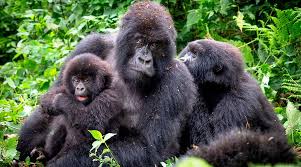
Virunga National Park
UNESCO World Heritage Site spanning 7,769 km² sheltering about half of the world's mountain gorillas. From the fiery depths of Nyiragongo Volcano to bamboo forests.
Explore Virunga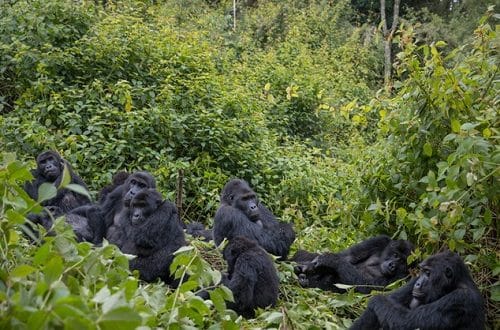
Kahuzi-Biega National Park
The exclusive domain of Grauer's gorillas, protecting over 600 km² of primary rainforest. A vital carbon sink named after two mountains central to local legend.
Explore Kahuzi-Biega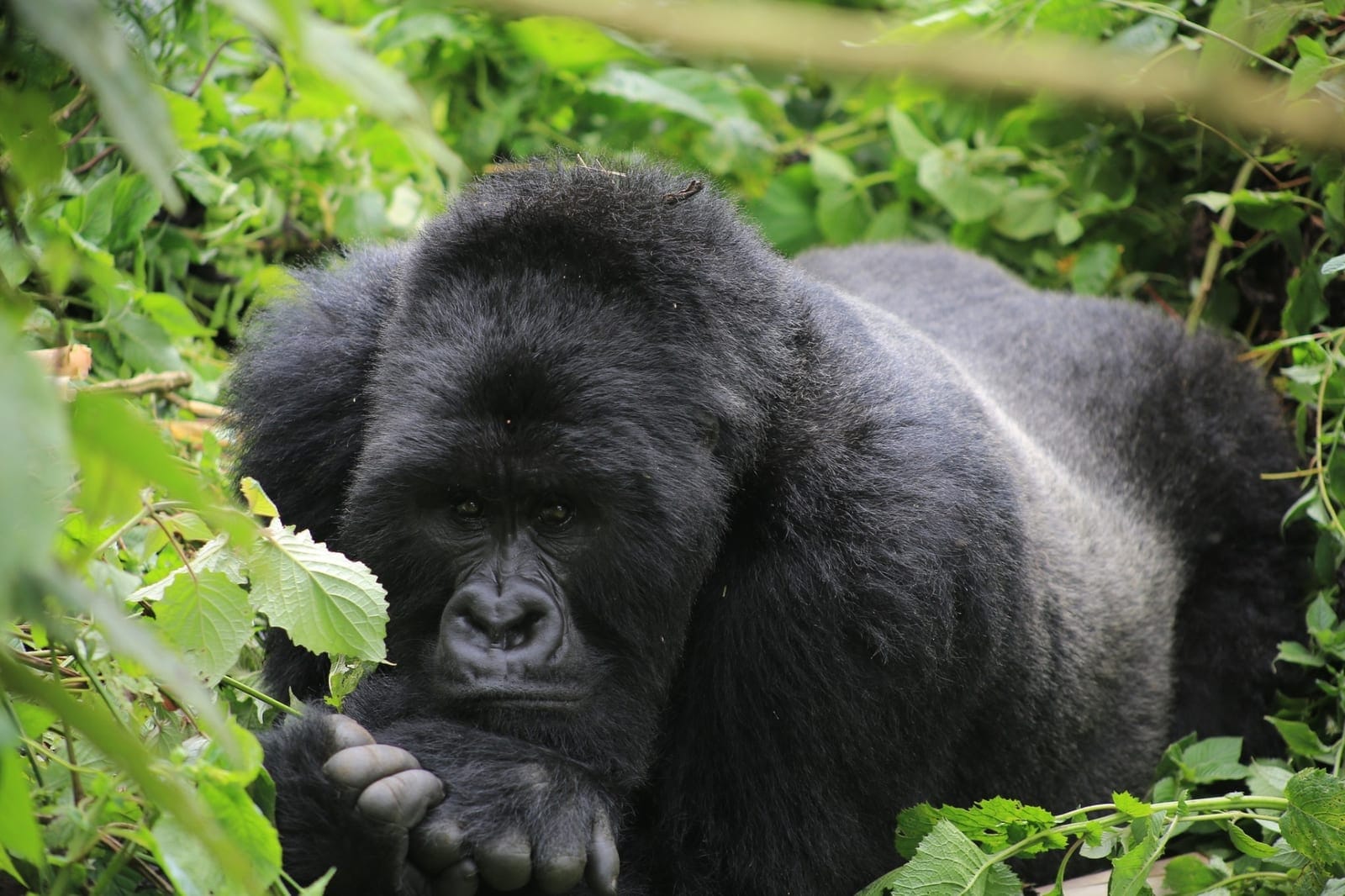
From Conservation Roots to Gorilla Trekking Tourism
Gorilla trekking in the DRC evolved organically from conservation imperatives, not commercial gain. Rwanda pioneered permits in 1979, but the DRC quickly adapted, launching programs in Virunga by the 1990s.
Revenue from treks funds ranger patrols, habitat restoration, and community projects — over 90% stays local, fostering peace and prosperity.
Today, a trek isn't just a sighting; it's a contribution to survival. Strict rules limit groups to eight, minimizing stress on families that can live up to 40 years in the wild.
Last updated: February 2026
Reviewed by DRCTourism Research Team — Wildlife & Conservation Division
Plan Your Journey: Discover Gorillas in Their True Home
Ready to trace the steps of these ancient apes? The DRC offers transformative gorilla encounters that support the very conservation that saved them.