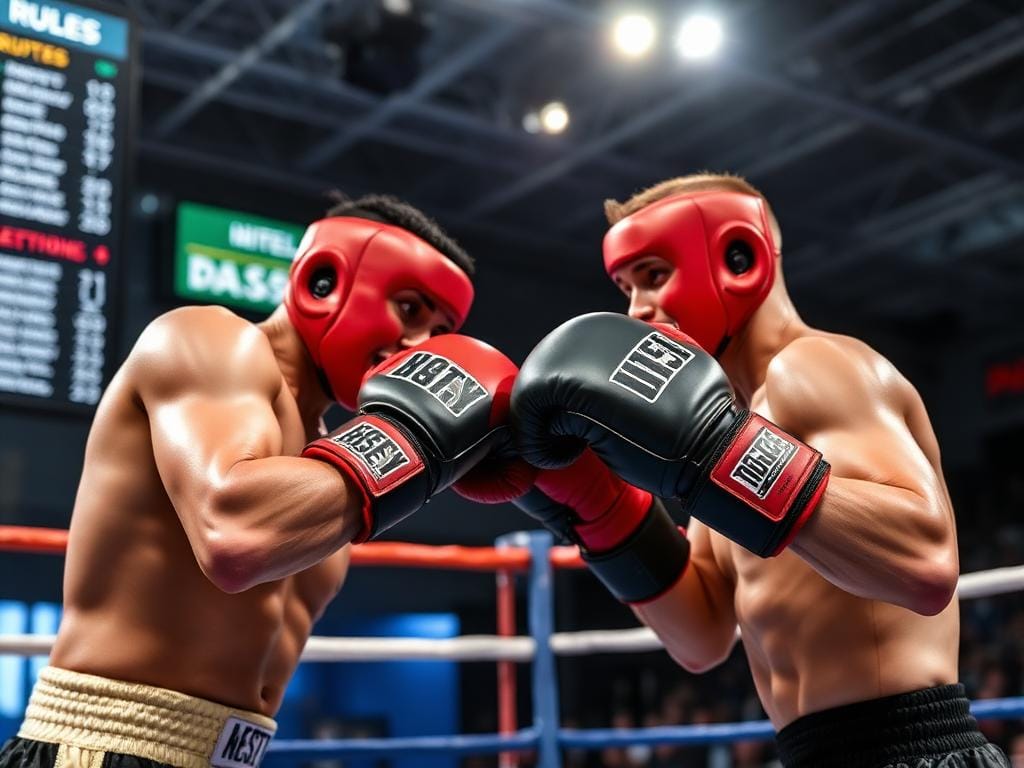
With the announcement of a Mike Tyson vs. Floyd Mayweather Jr. exhibition bout in Kinshasa for April 2026, boxing fans and casual observers alike are asking a fundamental question: what exactly is an exhibition boxing match?
Here's a clear, factual breakdown.
Exhibition vs. Professional Bout: Key Differences
An exhibition boxing match is fundamentally different from a professional or sanctioned competitive bout. Here are the core distinctions:
| Feature | Professional Bout | Exhibition Bout | |---------|------------------|-----------------| | Purpose | Competitive — win/loss record affected | Entertainment — no official record impact | | Judging | Official judges score all rounds | Often no official scoring or decision | | Round length | Typically 3 minutes per round | Often uses shorter rounds (e.g., 2 minutes) | | Number of rounds | 10–12 rounds for title fights | Typically 6–8 rounds | | Glove weight | 8–10 oz (depending on weight class) | Often heavier, padded gloves (12–14 oz) | | Knockout | Allowed and expected | Rules vary; some exhibitions discourage or prohibit KOs | | Commission oversight | Full regulatory authority | Varies by jurisdiction and event organizer |
Important Caveat: Specific rules for any exhibition bout depend on the local athletic commission, the event organizer, and agreements between the fighters and their teams. The details above represent common practices, not universal standards.
Why Exhibition Bouts Happen
Exhibition matches serve several purposes:
- Fan engagement: Allowing retired or semi-retired legends to perform in a controlled, lower-risk environment
- Charity and cause: Many exhibitions raise funds for charitable causes
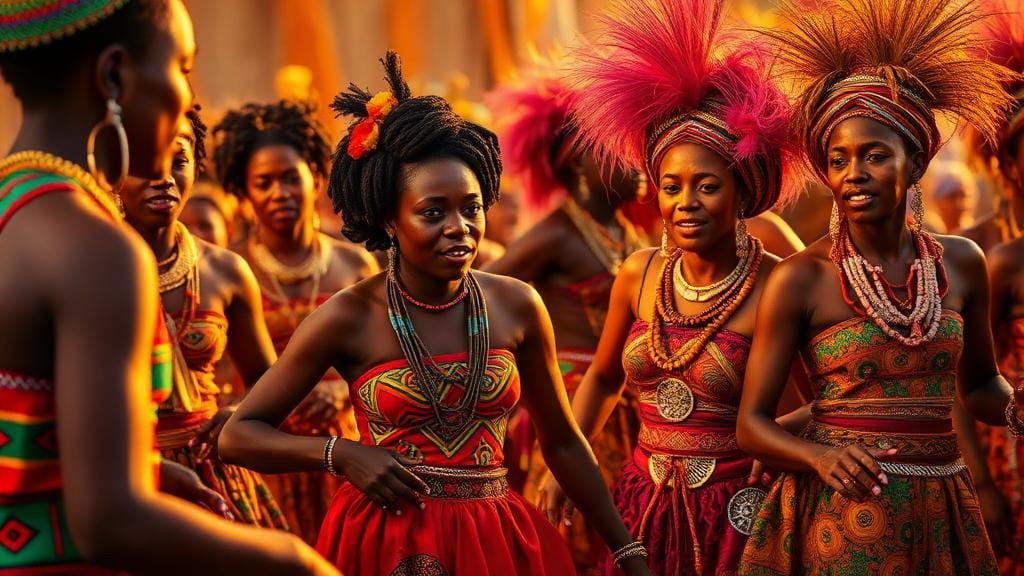
- Cultural events: Some exhibitions — like the 2026 Kinshasa event — carry symbolic and cultural significance beyond sport
- Entertainment value: The draw is nostalgia, personality, and spectacle rather than competitive outcome
Safety Considerations
Modern exhibition bouts typically include enhanced safety measures:
- Pre-event medical examinations for all participants - Ringside medical personnel and emergency protocols - Modified rules to reduce injury risk (shorter rounds, heavier gloves) - Commission oversight where applicable
The specific safety protocols for the Kinshasa 2026 event will be determined by the organizers and any applicable regulatory bodies.
Historical Context: Kinshasa and Boxing
Kinshasa has a unique place in boxing history. The city hosted the "Rumble in the Jungle" on October 30, 1974 — Muhammad Ali vs. George Foreman for the world heavyweight championship. That event remains one of the most watched sporting events in history and put Kinshasa on the global map.
The 2026 exhibition echoes that legacy while being a fundamentally different type of event.
What to Expect as a Spectator
If you're considering attending or following the Kinshasa exhibition:
- Atmosphere: Expect a festival-like environment with music, entertainment, and cultural programming - Duration: Exhibition cards typically last 2–3 hours including undercard bouts and entertainment - Outcome: There may not be an official winner declared — exhibitions often end without a decision - Beyond the ring: The real story of April 2026 in Kinshasa is the cultural moment — the city, the river, the heritage
Frequently Asked Questions
Will there be a winner? Exhibition bouts often don't declare an official winner. Some use unofficial scoring for entertainment purposes, but no records are affected.
Are knockouts allowed in exhibitions? Rules vary by event. Some exhibitions allow knockouts; others prohibit them or use modified scoring. The Kinshasa 2026 rules will be determined by the organizers.
How long are exhibition rounds? Exhibition rounds are often shorter than standard professional rounds — commonly 2 minutes instead of 3, though this varies.
Is this a real fight? It's a real boxing event, but not a competitive professional bout. Exhibition matches prioritize entertainment and safety over competitive outcome.
---
bookings@drctourism.com | drctourism.com/return-to-kongo-2026