
Key Highlights
Quiet, untouched lake far from mass tourism
Part of the Mai-Ndombe wetland ecosystem
Traditional canoe fishing culture
Expansive sunrise & sunset reflections
Strong community & ancestral lake heritage
Freshwater fish species & migratory birds
Why Visit Lac Fwa
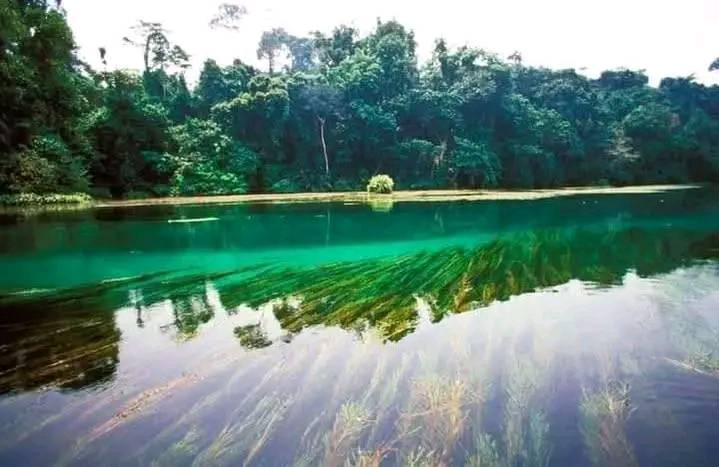
Lac Fwa is a serene and culturally rich freshwater lake nestled within the wetland systems of Mai-Ndombe Province. Surrounded by flooded forests, fishing villages, and vast skies reflected on still waters, Lac Fwa offers a raw, authentic Congo lake experience — calm, slow, and deeply connected to nature. It is a place of water, reeds, canoe routes, birdsong, and ancestral fishing traditions. A quiet, untouched lake far from mass tourism, part of the Mai-Ndombe wetland ecosystem with traditional canoe fishing culture, expansive sunrise & sunset reflections, and strong community & ancestral lake heritage.
Ready to explore Lac Fwa?
Our travel experts can craft a personalized itinerary for your Congo adventure.
Activities & Experiences
Best Time to Visit
June – September: Calm waters & best bird activity. December – February: Lush scenery & warm evenings.
Travel Tips
Access by boat from Mai-Ndombe lake routes. Travel with local guides. Mosquito protection required. Respect fishing zones & sacred waters. No ATMs — carry cash. Contact info@drctourism.com or WhatsApp +353 89 944 3480.
Location
-2.3500°, 18.1500°
Map integration coming soon
Last updated: February 2026
Reviewed by DRCTourism Research Team — Destinations & Conservation Division