
Key Highlights
Royal tombs & ancestral burial grounds
Sacred Kongo cosmology & spiritual traditions
Diaspora identity & Return to Kongo journeys
Linked to UNESCO capital of Mbanza-Kongo
Ancient Kongo Kingdom history
Spiritual tourism destination
Why Visit Kongo Royal Necropolis of Mbanza-Kongo
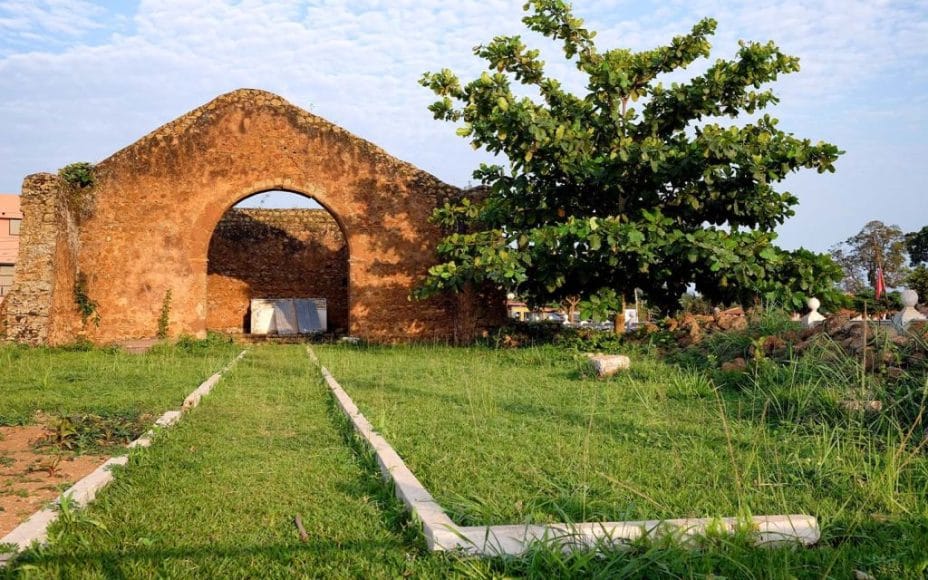
The Kongo Royal Necropolis represents one of Africa's most significant historical and spiritual sites. Here, the great kings of the Kongo Kingdom were crowned, ruled, and laid to rest for centuries. The site is deeply connected to Kongo cosmology, ancestral traditions, and the diaspora identity of millions worldwide. Linked to the UNESCO World Heritage capital of Mbanza-Kongo in Angola, this sacred ground on the DRC side offers visitors a profound journey into royal heritage, spiritual tourism, and ancestral reconnection. For diaspora travelers on 'Return to Kongo' journeys, this site represents the ultimate pilgrimage to ancestral roots.
Ready to explore Kongo Royal Necropolis of Mbanza-Kongo?
Our travel experts can craft a personalized itinerary for your Congo adventure.
Activities & Experiences
Best Time to Visit
May to October during the dry season for best access.
Travel Tips
Contact DRC Tourism Office at +353 8994 43480 or travel@drctourism.com for guided heritage tours. Respectful attire required at sacred sites. Combine with Kongo Central coastal tour.
Location
-5.5000°, 14.8000°
Map integration coming soon
Last updated: February 2026
Reviewed by DRCTourism Research Team — Destinations & Conservation Division