
Key Highlights
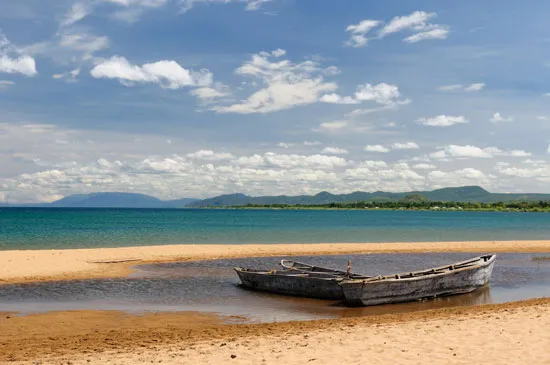
Pristine island ecosystem with minimal human impact
Crystal-clear freshwater—among the cleanest in Africa
Endemic fish species unique to Lake Tanganyika
Peaceful beaches and rocky shores
Spectacular sunrises and sunsets over the Great Rift Valley
Ideal for eco-retreats and wellness programs
Why Visit Kibige Island
Kibige Island is a hidden ecological gem located on Lake Tanganyika, near the city of Kalemie in Tanganyika Province, eastern Democratic Republic of Congo. Unspoiled, tranquil, and surrounded by crystal-clear waters, Kibige Island is an ideal destination for boat excursions, eco-retreats, conscious tourism, and private nature escapes. It represents the pure essence of slow travel and sustainable exploration. Lake Tanganyika is one of the oldest and deepest lakes in the world, making Kibige Island not only beautiful but scientifically and ecologically significant.
Ready to explore Kibige Island?
Our travel experts can craft a personalized itinerary for your Congo adventure.
Activities & Experiences
Best Time to Visit
May to October for calm lake conditions and best weather.
Travel Tips
Arrival via Kalemie Airport. Boat transfer from Kalemie shoreline with a short scenic lake crossing. All logistics can be arranged through DRCTourism.com with licensed local partners. Contact info@drctourism.com | +243 815 955 963
Location
-5.9300°, 29.2000°
Map integration coming soon
Last updated: February 2026
Reviewed by DRCTourism Research Team — Destinations & Conservation Division