
Key Highlights
Gigantic natural cave formations
Deep links to local legends & initiatory traditions
High potential for speleology & adventure tourism
Untouched environment for documentaries
Scientific exploration opportunities
One of Lomami's hidden natural wonders
Why Visit Grottes de Bena Tshibondobondo – Ngandajika
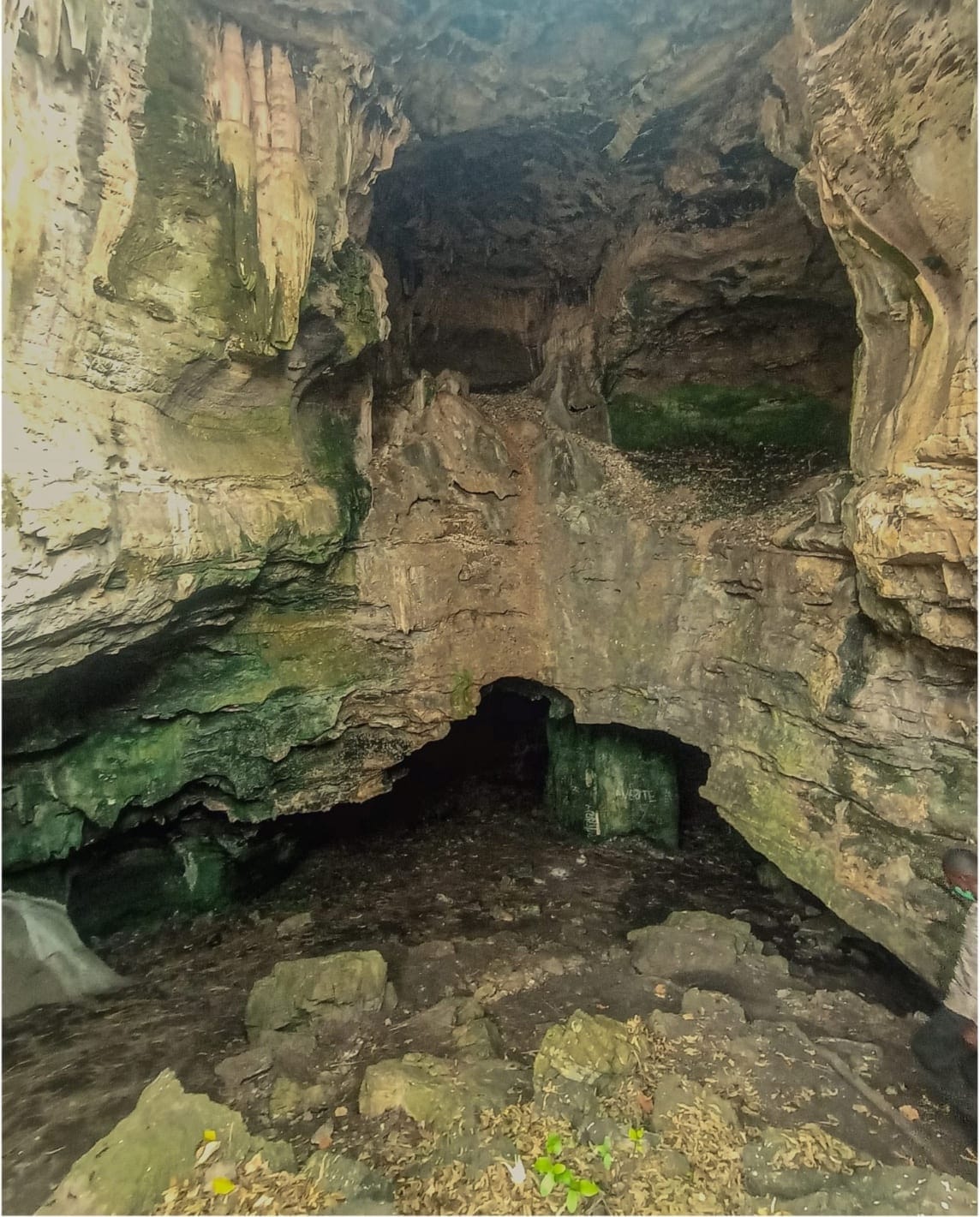
The Grottes de Bena Tshibondobondo are a remarkable network of natural caves located in Bena Tshibondobondo village, Ngandajika Territory, Lomami Province. These gigantic cave formations have deep links to local legends and initiatory traditions, making them both geologically fascinating and culturally significant. The caves offer high potential for speleology (cave exploration) and adventure tourism, while remaining largely untouched and pristine. They represent one of Lomami's most promising hidden natural wonders, ideal for documentaries, scientific exploration, and adventurous travelers seeking unique underground experiences.
Ready to explore Grottes de Bena Tshibondobondo – Ngandajika?
Our travel experts can craft a personalized itinerary for your Congo adventure.
Activities & Experiences
Best Time to Visit
Dry season (May to September) for safer cave access.
Travel Tips
Located in Ngandajika Territory. Experienced guides required for cave exploration. Bring proper equipment (headlamps, sturdy shoes). Contact +353 8994 43480 or travel@drctourism.com.
Location
-6.8000°, 24.0000°
Map integration coming soon
Last updated: February 2026
Reviewed by DRCTourism Research Team — Destinations & Conservation Division