
Key Highlights
One of the world's most powerful carbon capture systems
Vast primary rainforests untouched for millennia
Includes the Mai-Ndombe peatlands (among the largest on Earth)
Regulates rainfall across Central & Southern Africa
A pillar of global climate balance
Home to bonobos, okapis, and forest elephants
Why Visit Congo Basin Carbon Forests
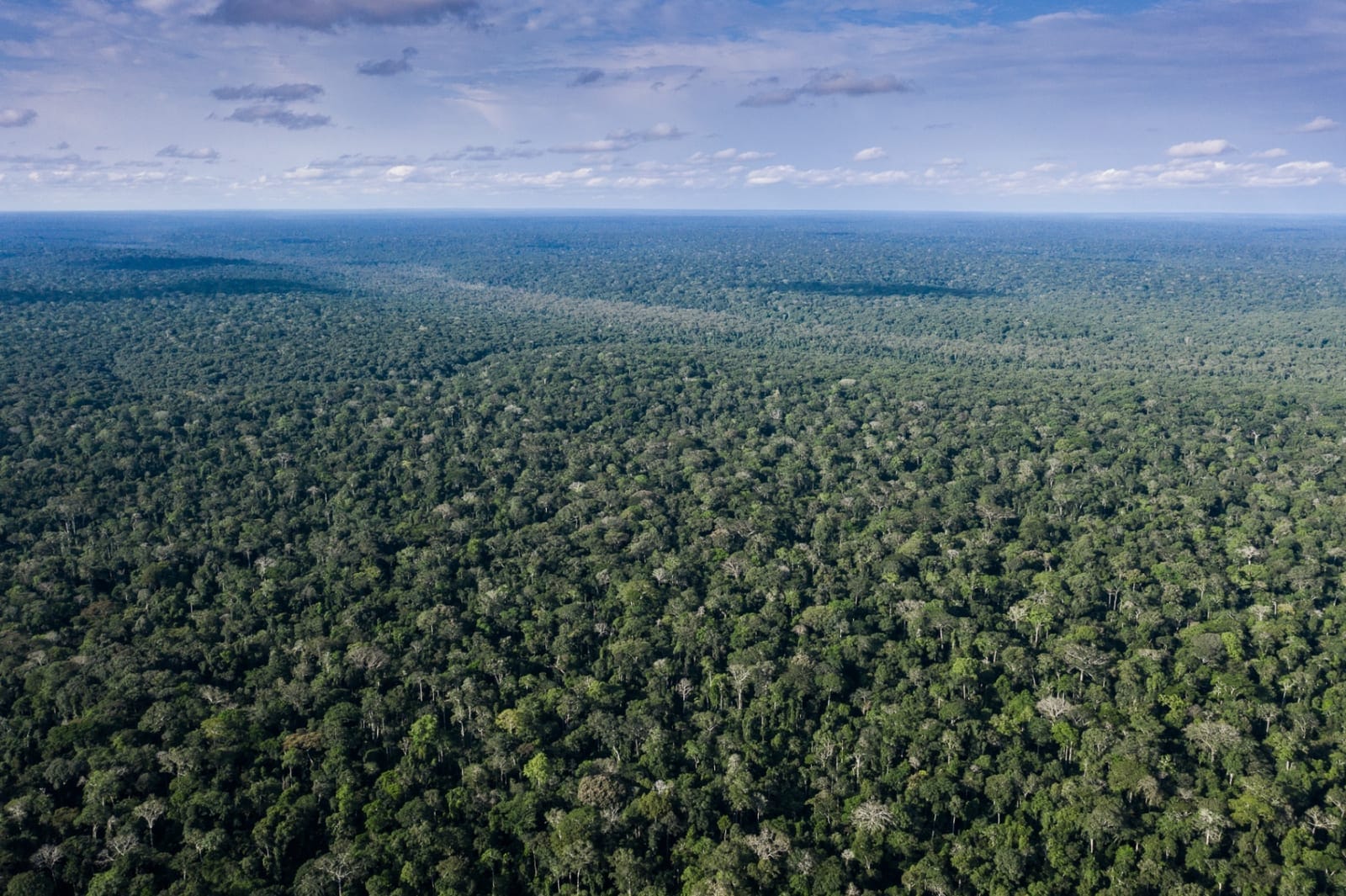
The Congo Basin Carbon Forests form the second-largest tropical rainforest system on Earth and one of the planet's most powerful natural carbon sinks. These ancient primary forests absorb billions of tons of carbon, regulate Africa's rainfall systems, stabilize global climate, and protect the richest biodiversity network on the African continent. Visiting these forests is not just tourism — it is a journey into the lungs of the Earth. Features include bonobos, forest elephants, okapis, Congo peacock, rare primates & amphibians, over 10,000 plant species, and medicinal forest ecosystems.
Ready to explore Congo Basin Carbon Forests?
Our travel experts can craft a personalized itinerary for your Congo adventure.
Activities & Experiences
Best Time to Visit
June – September: Lower humidity, easier access. December – February: Peak wetland vitality & migratory birds.
Travel Tips
Access only with certified conservation operators. Mandatory local guides & ranger escorts. Vaccinations & malaria prophylaxis required. Waterproof & insect-protection gear essential. No casual tourism — this is scientific-grade eco-tourism. Contact info@drctourism.com or WhatsApp +353 89 944 3480.
Location
-1.7000°, 22.4000°
Map integration coming soon
Last updated: February 2026
Reviewed by DRCTourism Research Team — Destinations & Conservation Division