
Why Visit Boma?
Boma served as the capital of the Congo Free State and later the Belgian Congo, making it one of the most historically significant cities in Central Africa. Located at the mouth of the Congo River, Boma was the gateway through which new technologies, trade, and administration entered the heart of Africa.
Central Kongo
Strategic Location
Year-Round
Best May–September
6+ Landmarks
Historical Sites
Guided Tours
Local Expertise
Boma Historical Landmarks
Discover the key historical sites that tell the story of Boma's role as a former capital, river transport hub, and industrial gateway to Central Africa.
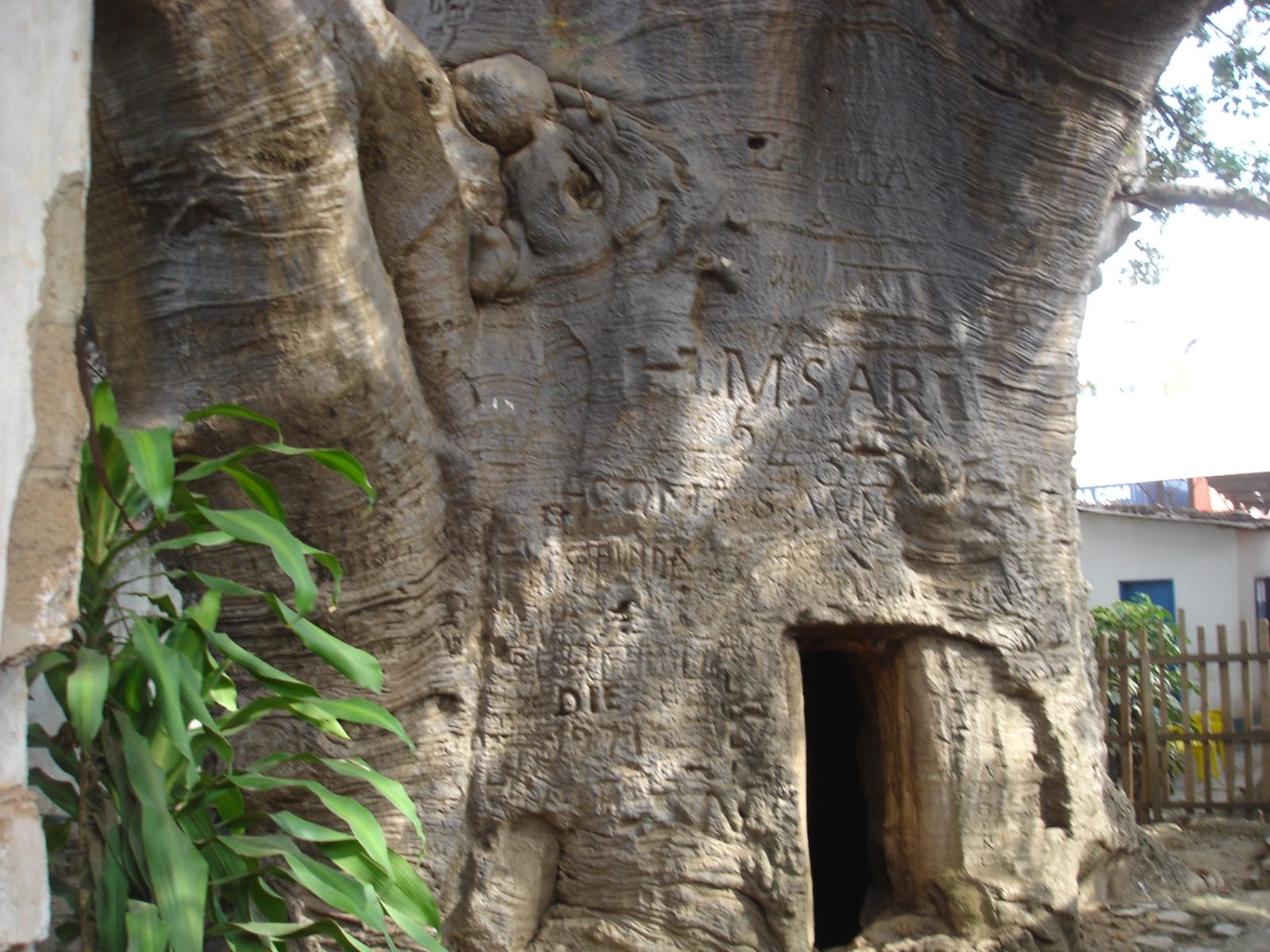
Stanley's Baobab Tree
Iconic centuries-old baobab tree and major historical landmark linked to Congo River navigation and trade.
Key Highlights:
- Centuries-old living monument
- Symbol of Congo River heritage
- Historical navigation landmark
- Located in DRC's former capital
Activities & Experiences:
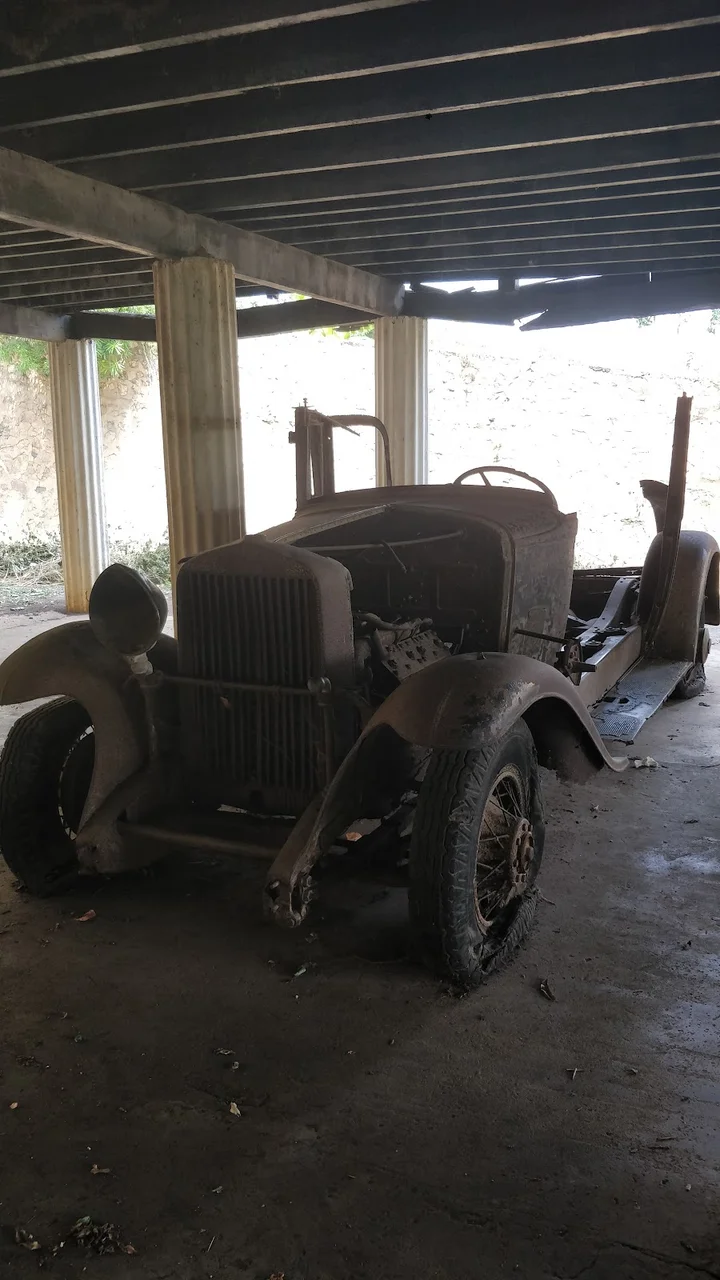
The First Two Cars to Arrive in Central Africa
Historic industrial and transport milestone marking the transition from river-only transport to mechanized mobility.
Key Highlights:
- First automobiles in Central Africa
- Industrial heritage milestone
- Transport history landmark
- Symbol of technological transition
Activities & Experiences:
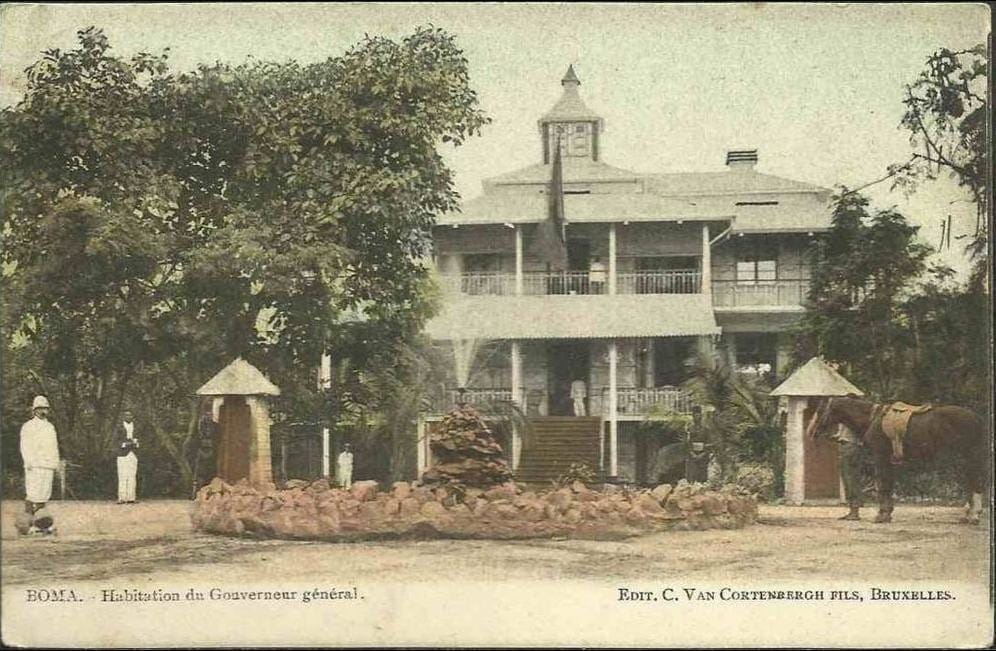
The House of the First Governor of Zaire
Historic residence reflecting the period when Boma served as the administrative heart of the country.
Key Highlights:
- Historic gubernatorial residence
- Major political heritage site
- Symbol of early state governance
- Former capital significance
Activities & Experiences:
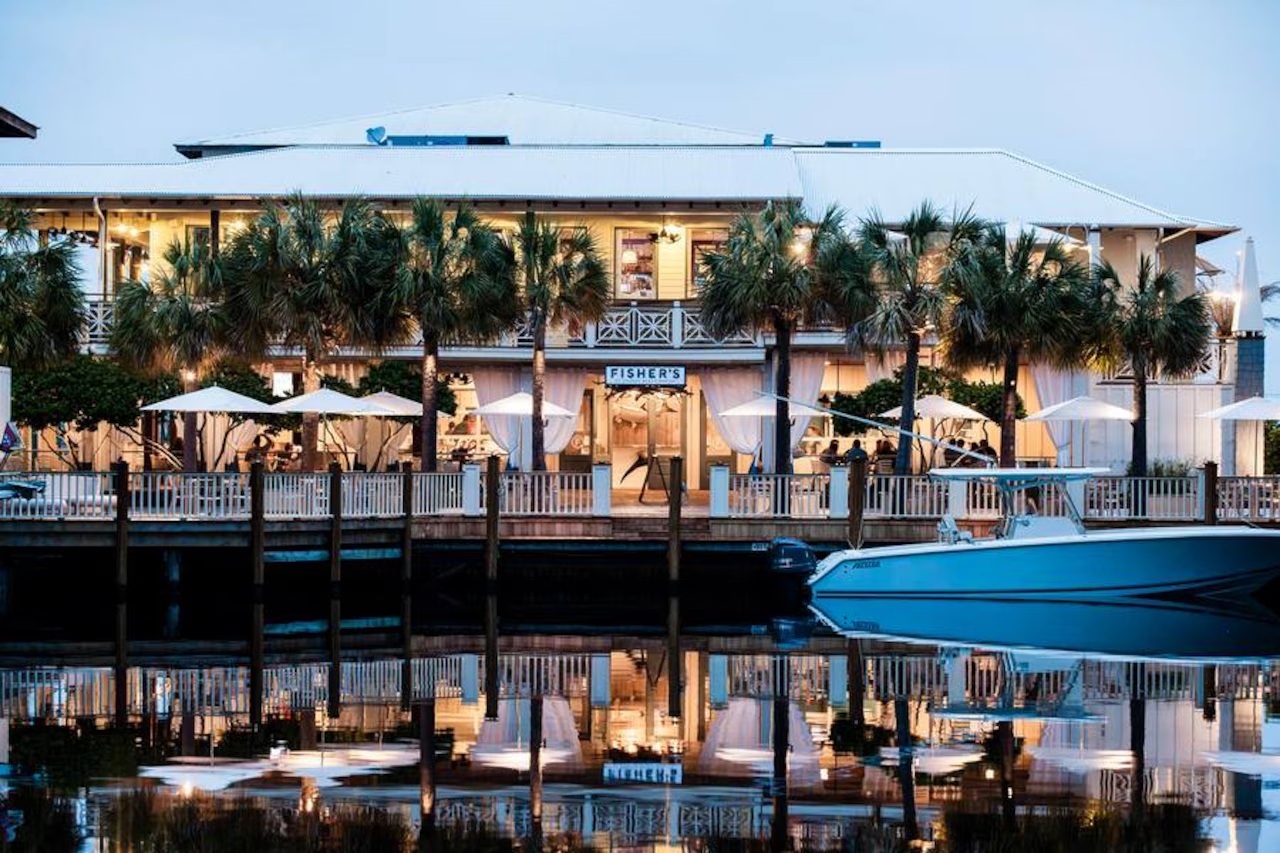
Fisher Riverfront Leisure Area
Popular riverfront relaxation area known for traditional dishes like Liboké, fresh shrimps, and local fish.
Key Highlights:
- Authentic Congo River experience
- Traditional Congolese cuisine
- Cultural gathering spot
- Scenic river views
Activities & Experiences:
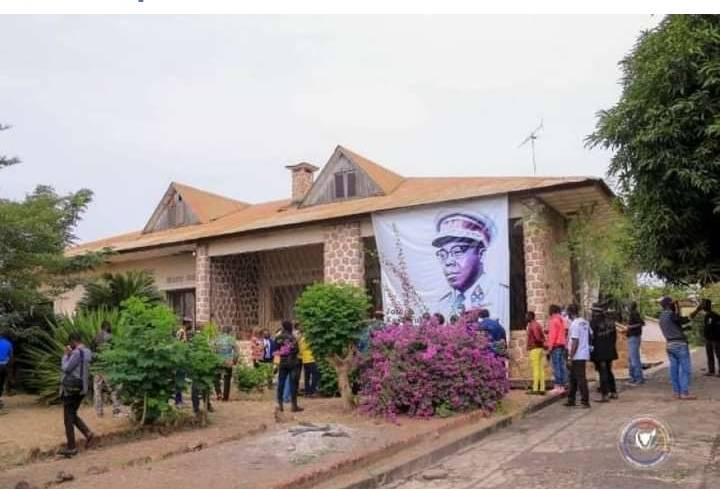
The House of the First President of the DRC (JKV)
Historic residence of Joseph Kasa-Vubu, first President of the Democratic Republic of Congo.
Key Highlights:
- Kasa-Vubu's historic residence
- Independence history landmark
- National political heritage
- Zaire era significance
Activities & Experiences:
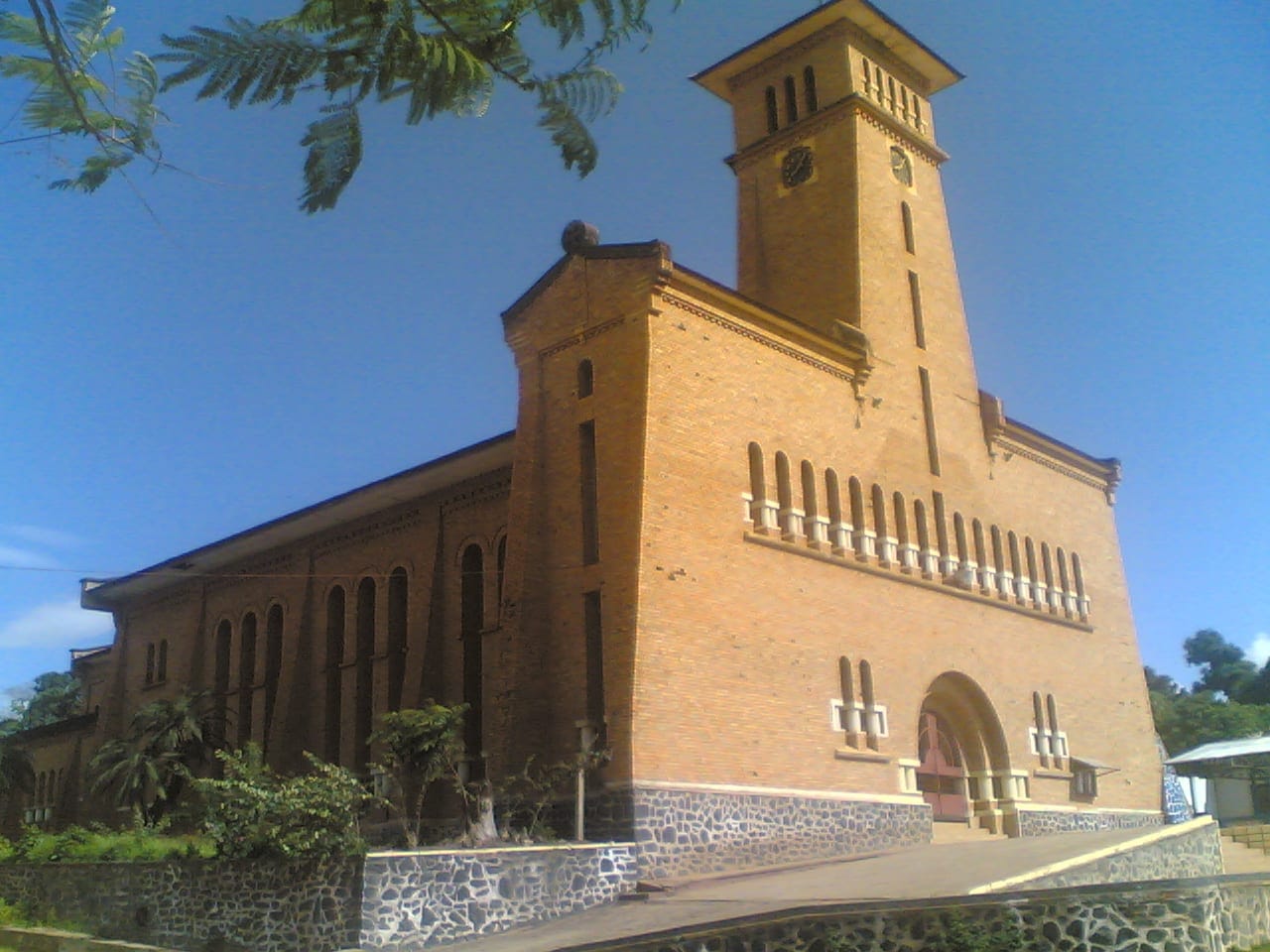
Historical Monuments of Boma
Collection of important historical and colonial-era monuments reflecting Boma's role as a former capital.
Key Highlights:
- Colonial-era architecture
- Administrative heritage sites
- Congo River gateway history
- Trade & transport legacy
Activities & Experiences:
Explore Boma Heritage Circuit
Boma, Central Kongo Province, Democratic Republic of Congo
Travel Tips for Boma
Getting There
- • Accessible by road from Kinshasa (approx. 6-8 hours)
- • River transport available via Congo River
- • Part of Kongo Central heritage circuits
Best Practices
- • Visit with a knowledgeable local guide
- • Wear comfortable walking shoes
- • Respect the historical and cultural importance of sites
Combine Your Visit
- • Muanda Atlantic beaches (37km coastline)
- • Mbanza-Kongo UNESCO World Heritage Site
- • Matadi port city heritage
What to Bring
- • Sun protection and water
- • Camera for heritage photography
- • Cash for local purchases and tips
Boma Heritage — Frequently Asked Questions
Why was Boma the capital of the Congo?
Boma served as the capital of the Congo Free State and the Belgian Congo from 1886 to 1926, due to its strategic position at the mouth of the Congo River and its access to Atlantic shipping routes.
How do I get to Boma from Kinshasa?
Boma is reached by road from Kinshasa via Matadi (approximately 6–8 hours), or by Congo River transport. Most heritage visits combine Boma with Matadi and Muanda on the Atlantic coast.
What is Stanley's Baobab?
Stanley's Baobab is a centuries-old baobab tree in Boma associated with early Congo River navigation. It is one of the most photographed living monuments in Central Kongo Province.
Can I visit Joseph Kasa-Vubu's house?
Yes, the residence of the DRC's first President is part of guided heritage circuits in Boma. Visits should be booked through accredited local operators.