Planning a trip to the Democratic Republic of Congo requires careful preparation. The DRC is not a plug-and-play destination — it rewards travelers who plan ahead, travel with structure, and respect local customs.
This checklist covers everything you need to know.
Step 1: Visa Application
Most nationalities require a visa to enter the DRC. Options include:
- E-Visa: Available through the Direction Générale de Migration (DGM) website. Processing: 5–10 business days. Cost: approximately €92–€185 depending on nationality and visa type. - Embassy visa: Apply at your nearest DRC embassy or consulate. Processing: 2–4 weeks. - Visa on arrival: Available for some nationalities at N'djili Airport (Kinshasa), but not recommended as it can cause delays. Pre-arrange whenever possible.
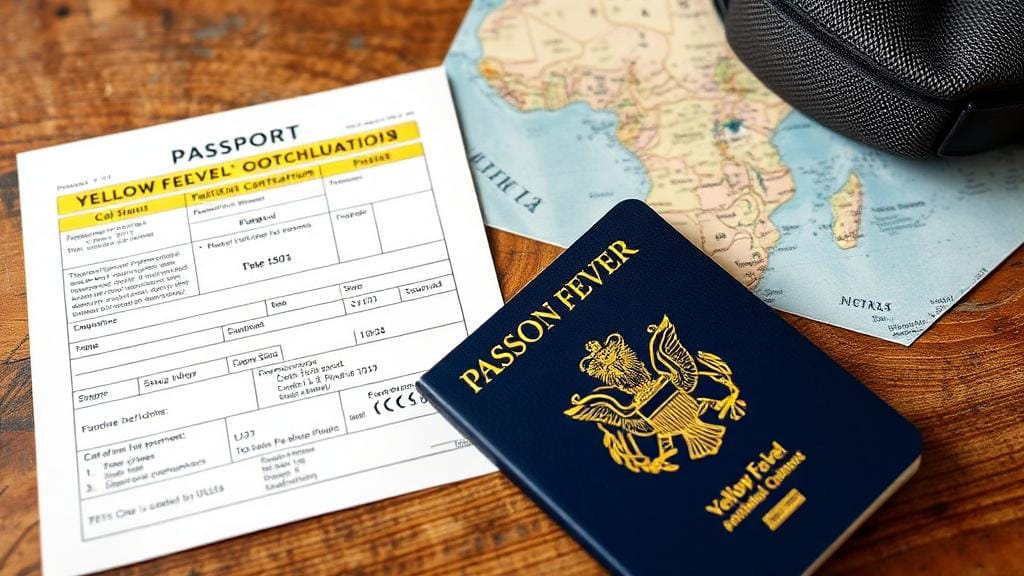
Requirements: - Passport valid for at least 6 months with 2+ blank pages - Completed visa application form - Passport-sized photos - Proof of accommodation (hotel booking or invitation letter) - Yellow fever vaccination certificate - Return or onward flight ticket
Step 2: Flights
To Kinshasa (N'djili International Airport — FIH): - Ethiopian Airlines (via Addis Ababa) — most connected African hub - Air France (Paris CDG — direct) - Brussels Airlines (Brussels — direct) - Turkish Airlines (Istanbul — direct) - Kenya Airways (via Nairobi) - RwandAir (via Kigali)
To Goma (eastern DRC): - RwandAir (via Kigali) - Ethiopian Airlines (via Addis Ababa)
Tip: Book early for April 2026 — demand is expected to be high due to the global event in Kinshasa.
Step 3: Health Requirements
Mandatory: - Yellow fever vaccination (certificate checked on arrival) - Ensure routine vaccinations are up to date (tetanus, hepatitis A/B, typhoid)
Strongly recommended: - Malaria prophylaxis (consult your travel doctor; Malarone or doxycycline are common choices) - Bring insect repellent (DEET-based) and a treated mosquito net - Pack a basic first-aid kit with anti-diarrheal, oral rehydration salts, and any personal medications
Step 4: Money
- Currency: Congolese Franc (CDF). US dollars are widely accepted for larger transactions. - Exchange: Bring clean, undamaged USD bills (post-2006 series preferred). Damaged or old bills may be refused. - ATMs: Available at major hotels and banks, but carry cash as primary payment method. - Credit cards: Accepted at top hotels and some restaurants. Not reliable for general use. - Budget: Kinshasa is expensive by African standards. Plan €140–€275/day depending on hotel and activity level.
Step 5: Communication
- SIM cards: Vodacom and Airtel are the main providers. SIMs available at the airport for €1.8–€4.6. Data packages start from €4.6 for 1GB. - Wi-Fi: Available at hotels and cafes, but speeds vary significantly. - VPN: Consider installing a VPN before travel for secure internet access. - Power: DRC uses Type C/E plugs (European standard, 220V). Power outages are common — bring a portable charger.
Step 6: What to Pack
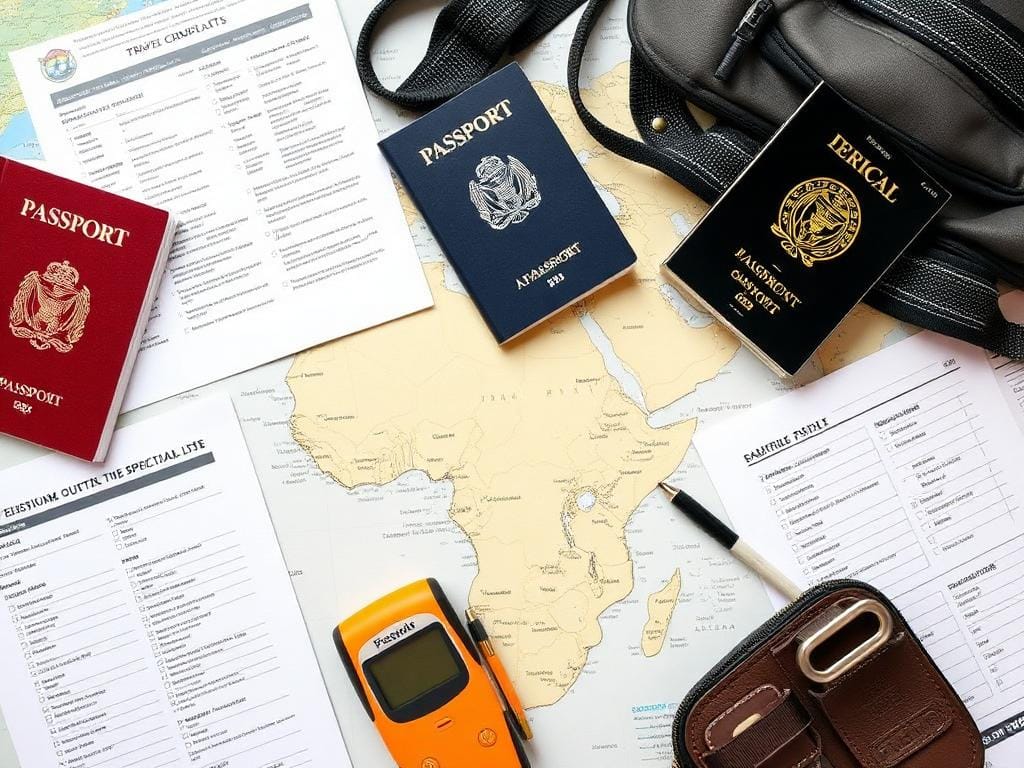
Essentials: - Lightweight, breathable clothing (cotton/linen) - Comfortable walking shoes - Rain jacket or compact umbrella (especially April–November) - Sunscreen and hat - Insect repellent - Portable charger / power bank - Headlamp or flashlight - Copies of all documents (passport, visa, vaccination certificate)
For safari extensions: - Neutral-colored clothing (khaki, olive, brown) - Binoculars - Camera with zoom lens - Waterproof bag for electronics - Hiking boots
Step 7: Safety Protocols
- Travel with a guide or DRCTourism-arranged logistics at all times - Use vetted, pre-arranged transport — avoid hailing random taxis - Keep valuables in hotel safes - Avoid walking alone at night - Register with your embassy before travel - Carry copies (not originals) of your passport and visa - Follow local advice regarding neighborhoods and routes - Purchase comprehensive travel insurance covering medical evacuation
Step 8: Cultural Etiquette
- Greetings: Handshakes are standard. A warm, respectful greeting goes a long way. - Photography: Always ask permission before photographing people, especially in markets and communities. - Dress: Dress modestly, especially when visiting religious or community sites. Smart casual is appropriate for most settings. - Language: French is the official language. Learning a few Lingala phrases (Kinshasa) or Swahili phrases (eastern DRC) earns significant goodwill. - Tipping: Not expected but appreciated. 10% at restaurants, €4.6–€9.2/day for guides and drivers. - Patience: Things move at their own pace. Flexibility and patience are essential travel virtues in the DRC.
Frequently Asked Questions
Do I need a yellow fever vaccine? Yes. It is mandatory for entry into the DRC. Your certificate will be checked on arrival.
Is the DRC safe for tourists? With proper planning, vetted logistics, and local guidance, many parts of the DRC — including Kinshasa, Goma, and Lubumbashi — are accessible to tourists. Always check current travel advisories and travel with a professional operator like DRCTourism.
What language should I learn? Basic French is the most useful. "Bonjour" (hello), "Merci" (thank you), and "S'il vous plaît" (please) will serve you well everywhere.
How much cash should I bring? Bring €460–€920 in clean, post-2006 USD bills as backup. Most hotels accept USD for payment.
Do I need travel insurance? Absolutely. Ensure your policy covers medical evacuation, as advanced medical facilities may require evacuation to Nairobi or Johannesburg.
---
bookings@drctourism.com WhatsApp: +243 81 234 5678 drctourism.com/return-to-kongo-2026