Location
Mai-Ndombe Province
Duration
3–4 days
Group Size
2–8 people
Difficulty
Easy
Overview
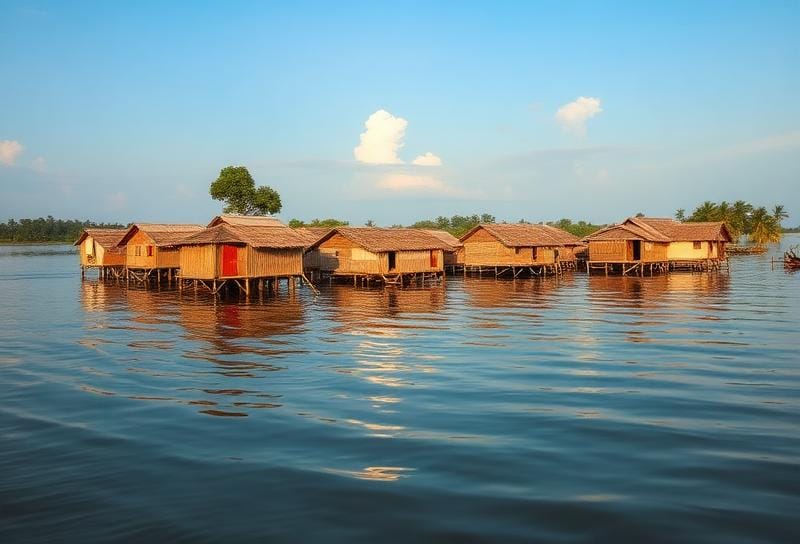
Lake Mai-Ndombe, one of Africa's largest freshwater lakes, is home to unique floating and lakeside communities that have adapted beautifully to life on the water. This experience takes you into a world where canoes are the primary transportation and communities live in intimate relationship with wetland ecosystems. You'll explore villages accessible only by water, meet communities whose lives revolve around fishing, trading, and the lake's seasonal rhythms. The Mai-Ndombe region is also known for its REDD+ forest conservation programs, making this a perfect combination of cultural and environmental discovery. From floating markets to traditional boat-building, this is an opportunity to experience a way of life found in few other places on Earth.
Tour Highlights
Water-Based Life
Experience communities where water is the primary highway.
Floating Villages
Visit villages built on and around the lake's waters.
Wetland Ecosystems
Explore rich wetland habitats and conservation efforts.
Unique Photography
Capture stunning scenes of lake life and sunsets.
Day-by-Day Itinerary
Arrival at Lake Mai-Ndombe
Travel to the lake and begin your water-based adventure.
- Transfer to lake departure point
- Boat journey to lakeside lodge
- Sunset canoe exploration
Floating Village Visits
Explore traditional lakeside communities.
- Visit floating and lakeside villages
- Meet local fishermen and families
- Learn about traditional boat-building
Wetlands & Wildlife
Explore the lake's rich ecosystems.
- Bird watching expedition
- Visit floating market (if operating)
- Traditional fishing demonstration
Departure
Return journey from the lake.
- Final morning on the water
- Boat journey back
- Transfer to departure point
What's Included
- All boat transportation
- 3 nights accommodation
- All meals
- Local guides
- Village visits
- Conservation area fees
Not Included
- Transportation to Mai-Ndombe
- Visa fees
- Travel insurance
- Personal expenses
What to Bring
Conservation & Community Impact
Tourism supports local communities participating in REDD+ forest conservation programs and provides sustainable income for fishing families.
Best Time to Visit
June–September (dry season) for easiest travel. Wet season offers different perspectives but more challenging conditions.
Physical Requirements
Easy. All travel is by boat. Some walking in villages on uneven surfaces.