
Location
Kongo Central Province
Duration
2–3 days
Group Size
2–12 people
Difficulty
Easy
Overview
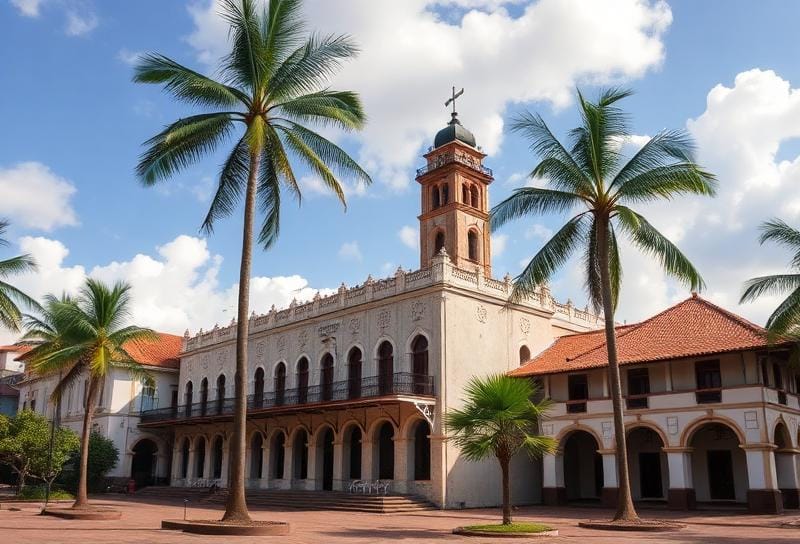
Boma holds a unique place in Congolese history—it was the first capital of the Congo Free State and later the Belgian Congo, serving as the administrative center from 1886 to 1926. This heritage trail explores the city's layered history, from Portuguese contact to Belgian colonialism to the independence era. Walking through Boma is walking through history. You'll see Portuguese-era architecture, colonial administrative buildings, and sites connected to the early resistance movements that led to Congolese independence. The city's compact size makes it ideal for exploring on foot. Beyond colonial history, Boma sits at the edge of the Congo River near its outlet to the Atlantic, offering beautiful riverside scenery and connection to the broader story of how this waterway shaped Central African history.
Tour Highlights
Colonial Architecture
See preserved Portuguese and Belgian-era buildings.
Historic Sites
Visit key locations from Congo's colonial and independence history.
Portuguese Heritage
Explore 500 years of Portuguese presence in the region.
River Views
Enjoy the Congo River near its Atlantic outlet.
Day-by-Day Itinerary
Arrival & City Introduction
Arrive in Boma and begin exploring.
- Transfer from Matadi or Kinshasa
- Walking tour of historic center
- Visit colonial administrative buildings
Deep Heritage Exploration
Explore historical sites in depth.
- Portuguese fort and early contact sites
- Colonial-era cathedral
- Independence-related landmarks
- Riverside walk
Final Sites & Departure
Complete your exploration and depart.
- Morning visits to remaining sites
- Local market experience
- Departure
What's Included
- All transportation
- 2 nights accommodation
- All meals
- Expert history guide
- Site entrance fees
Not Included
- Transportation to/from Boma
- Visa fees
- Travel insurance
- Personal expenses
What to Bring
Conservation & Community Impact
Tourism supports local preservation efforts and provides income for local guides and heritage organizations.
Best Time to Visit
Year-round, with dry season (June–September) being most comfortable.
Physical Requirements
Easy. Walking tours on urban streets and paths.