
Location
Garamba National Park, Haut-Uélé
Duration
10 days
Group Size
2–20 people
Difficulty
Moderate
Overview
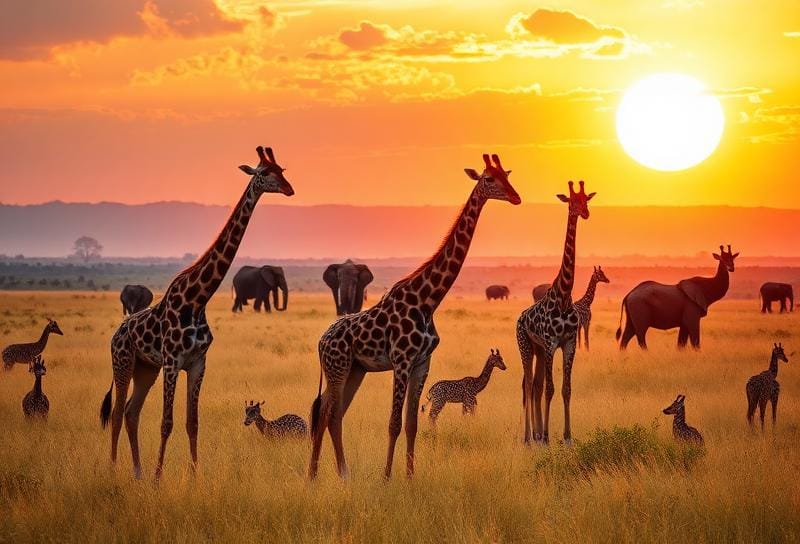
Explore one of Africa's oldest and most important national parks—Garamba, established in 1938 and designated a UNESCO World Heritage Site for its outstanding biodiversity. This vast savanna wilderness in northeastern DRC harbors some of Africa's most endangered species, including the last population of Kordofan giraffes in Central Africa. Garamba represents safari Africa at its wildest and least visited. The park's 4,900 square kilometers of rolling grasslands, woodland savannas, and gallery forests support elephants, lions, hippos, African wild dogs, and over 300 bird species. Unlike East Africa's crowded reserves, here you may spend entire days without seeing another vehicle. This safari combines classic African game viewing with the adventure of visiting one of the continent's most challenging conservation frontlines. Garamba has faced immense pressures from armed groups and poaching, yet dedicated rangers and conservationists have turned the tide, with wildlife populations now recovering.
Tour Highlights
Track endangered Kordofan giraffes—Central Africa's only population
Encounter forest elephants, hippos, and possibly lions or leopards
Experience authentic African savanna without crowds
Learn from rangers who protect this frontline park
Walking safaris with armed escorts into remote areas
Exceptional birdwatching (300+ species)
Support one of Africa's most remarkable conservation comebacks
Day-by-Day Itinerary
Arrival at Garamba
Charter flight to Garamba from Goma or Entebbe. Arrival and welcome at park headquarters. Orientation briefing on park history, conservation status, and wildlife. Afternoon game drive to familiarize with the landscape. Overnight at safari camp.
Full Day Safari
Dawn game drive searching for giraffes—they favor open grasslands where their height gives advantage. Mid-morning break at scenic viewpoint. Afternoon drive focusing on different habitat zones: woodland, riverine forest, and floodplain. Evening sundowner with savanna sunset.
Walking Safari & River
Early morning walking safari with armed rangers—tracking wildlife on foot is an incomparable experience. Return for brunch and rest during midday heat. Afternoon visit to Dungu River for hippo observation and birdwatching. Night drive opportunity.
Remote Sector Exploration
Full day expedition to remote sections of the park with packed lunch. Search for less common species: African wild dogs, roan antelope, bongo. Visit ranger outposts and learn about daily anti-poaching operations.
Conservation & Community
Morning game drive. Afternoon visit to community conservation programs—schools, health clinics, and sustainable livelihood projects supported by park tourism. Evening at camp with star photography opportunities.
Final Safari & Departure
Sunrise game drive for final wildlife encounters and photography. Return for breakfast and pack. Charter flight back to Goma or Entebbe. Optional extra night for travel connections.
What's Included
- Charter flights to/from Garamba
- All game drives and walking safaris
- Park entrance and activity fees
- Professional guide and armed rangers
- 5 nights safari camp accommodation
- All meals and non-alcoholic beverages
- Sundowner drinks and snacks
- Community visit contributions
- Night drive equipment
- Binoculars for use during safari
Not Included
- International flights to Goma or Entebbe
- Goma/Entebbe hotel nights
- DRC/Uganda visas
- Travel and evacuation insurance (mandatory)
- Premium alcoholic beverages
- Personal equipment and clothing
- Tips for guides and camp staff
- Additional charter flight costs if schedule changes
Practical Information
Conservation & Community Impact
Garamba National Park has faced some of the greatest conservation challenges on the continent. The park lost its entire white rhino population to poaching, and elephant and giraffe numbers dropped dramatically during conflict years. Yet remarkable recovery is underway: • Elephant populations have stabilized and begun growing • Kordofan giraffe numbers have increased from under 40 to over 60 • Ranger force has been strengthened with modern equipment and training • Community programs now provide alternatives to poaching • Anti-poaching operations have dramatically reduced incursions Your safari directly funds these protection efforts. The revenue from each visitor helps maintain ranger patrols, supports community development, and demonstrates that wildlife has economic value worth protecting. Visiting Garamba isn't just a safari—it's an investment in one of Africa's most important conservation battles.
Best Time to Visit
Best season: December-February (dry season, easier wildlife viewing)
Physical Requirements
Basic fitness required (walking safaris involve 2-4 hours hiking)