
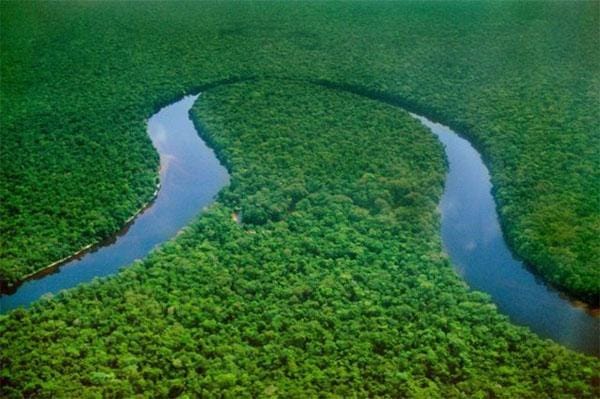
Scientific Reserves of the Democratic Republic of the Congo
Mabali and Luo — two living laboratories at the heart of the Congo Basin, advancing ecological research, biodiversity monitoring, climate science, and conservation knowledge.
The Democratic Republic of the Congo is home to some of the world's most important tropical rainforest ecosystems. Among its protected area network are two dedicated Scientific Reserves, established to advance ecological research, biodiversity monitoring, climate science, and conservation knowledge for future generations.
Unlike traditional tourism destinations, Scientific Reserves serve as living laboratories where scientists, universities, conservation organizations, and research institutions study the Congo Basin's forests, wildlife, waterways, and climate systems.
What are the Scientific Reserves of the DRC?
The Democratic Republic of the Congo has 2 Scientific Reserves: Mabali Scientific Reserve and Luo Scientific Reserve. These protected areas are dedicated to long-term ecological research, biodiversity monitoring, climate studies, rainforest science, and conservation knowledge generation. Access is generally restricted to researchers, universities, scientific institutions, and authorized conservation projects.
Scientific Reserves in the DRC
Mabali Scientific Reserve
Équateur Province
One of the Congo Basin's most important long-term ecological research sites. Supports studies on rainforest ecology, biodiversity conservation, climate change, carbon storage, hydrology, and sustainable forest management.
Luo Scientific Reserve
Democratic Republic of the Congo
Protects intact rainforest ecosystems and serves as a scientific reference site for biodiversity monitoring, ecological research, climate resilience studies, and conservation planning.
Why Are Scientific Reserves Important?
The scientific discoveries made within these reserves contribute to conservation efforts across Africa and around the world.
Research Opportunities
- •Tropical rainforest ecology research
- •Carbon and climate studies
- •Biodiversity inventories
- •Wildlife monitoring programs
- •Hydrology and watershed studies
- •Environmental education and academic fieldwork
- •International scientific collaborations
Who Can Visit?
Access is generally limited to:
- •Universities
- •Scientific institutions
- •Conservation organizations
- •Environmental NGOs
- •Government research agencies
- •Authorized documentary and educational projects
All visits require appropriate permits and authorization from relevant authorities.
Frequently Asked Questions
Explore Congo's Protected Areas
The Scientific Reserves complement the DRC's wider protected area network — National Parks, Nature Reserves, Game Reserves, Hunting Domains, Community Conservation Areas, and Wetland & Marine Protected Areas.
Discover the Future of Rainforest Science in the Heart of Africa
Whether you are a scientist, university researcher, conservation practitioner, climate specialist, student, or institutional partner, DRCTourism welcomes collaboration to advance knowledge, conservation, and sustainable development across the Congo Basin.