
Explore Sankuru
The bonobo heartland with the largest protected population
Authentic • Untamed • Extraordinary
Province Overview
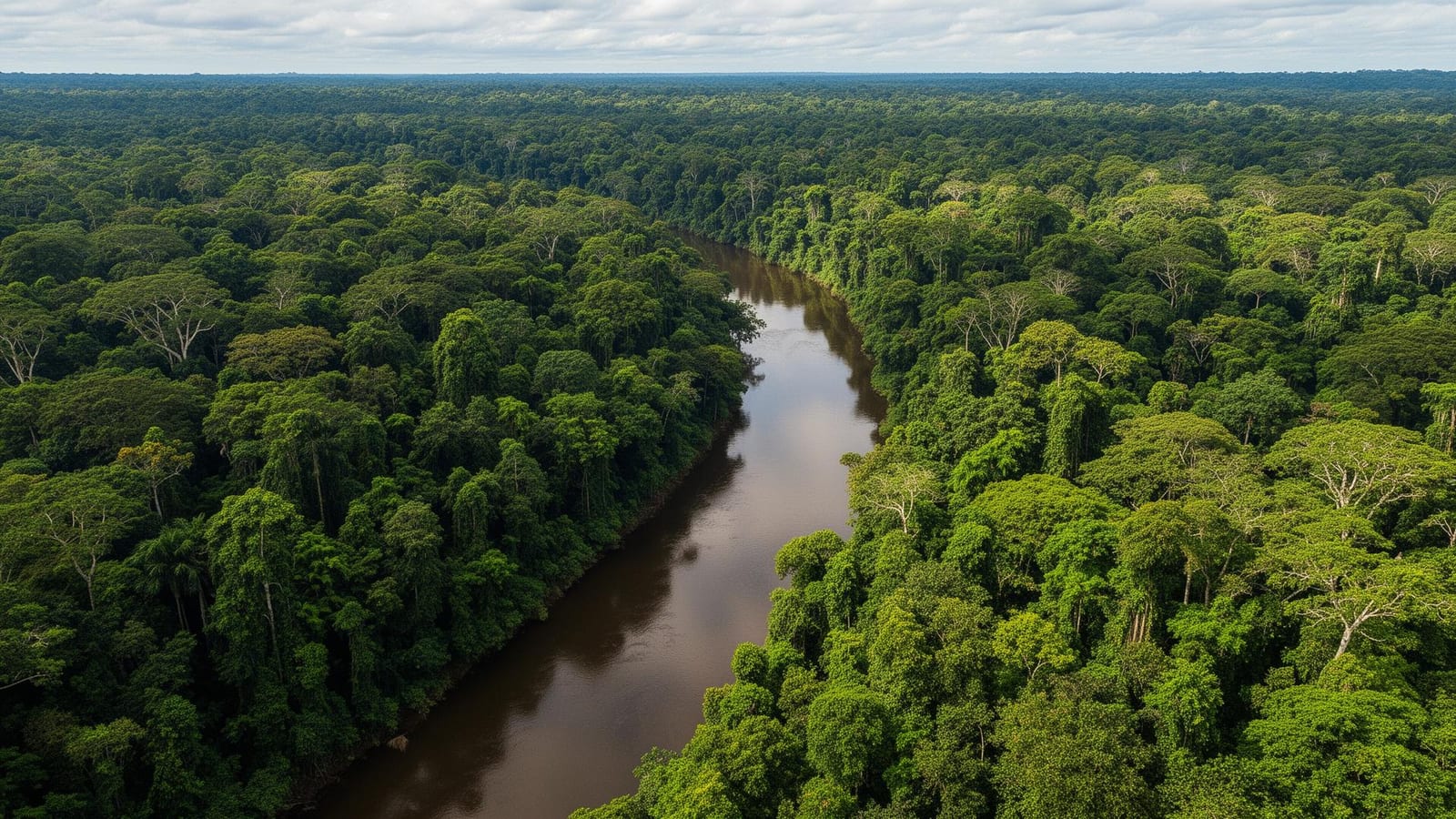
Sankuru Province contains the Sankuru Nature Reserve – the largest protected area for bonobos anywhere on Earth. This vast reserve protects critical habitat for our closest living relatives in landscapes ranging from dense forest to forest-savanna mosaics. The Sankuru River provides access to this remote region, offering expedition experiences in one of the world's most important primate conservation areas.
Key Highlights
- Sankuru Nature Reserve – world's largest bonobo protected area
- Critical bonobo populations
- Vast forest-savanna mosaic landscapes
- Sankuru River expeditions
- Conservation partnerships and research
Map & Location
Sankuru Province lies in central DRC, containing the world's largest protected area for bonobos. The landscape features forest-savanna mosaics with the Sankuru River providing primary access. This is critical conservation territory.
How to Get Here
- Flights to Lodja or Kindu, then river/road to Lusambo
- River access along the Sankuru River
- Expedition logistics essential
- Very limited road network
Nearby Landmarks
- Sankuru Nature Reserve – world's largest bonobo reserve
- Sankuru River
- Lusambo – provincial capital
Loading interactive map...
Explore Sankuru's Territories
Discover the unique administrative territories within Sankuru, each offering distinctive cultural experiences and community tourism opportunities.
Territories of Sankuru
Explore the administrative territories within Sankuru for community tourism and development opportunities.
Wildlife & Natural Highlights
Ecosystems, key species, and conservation significance in Sankuru.
Ecosystems
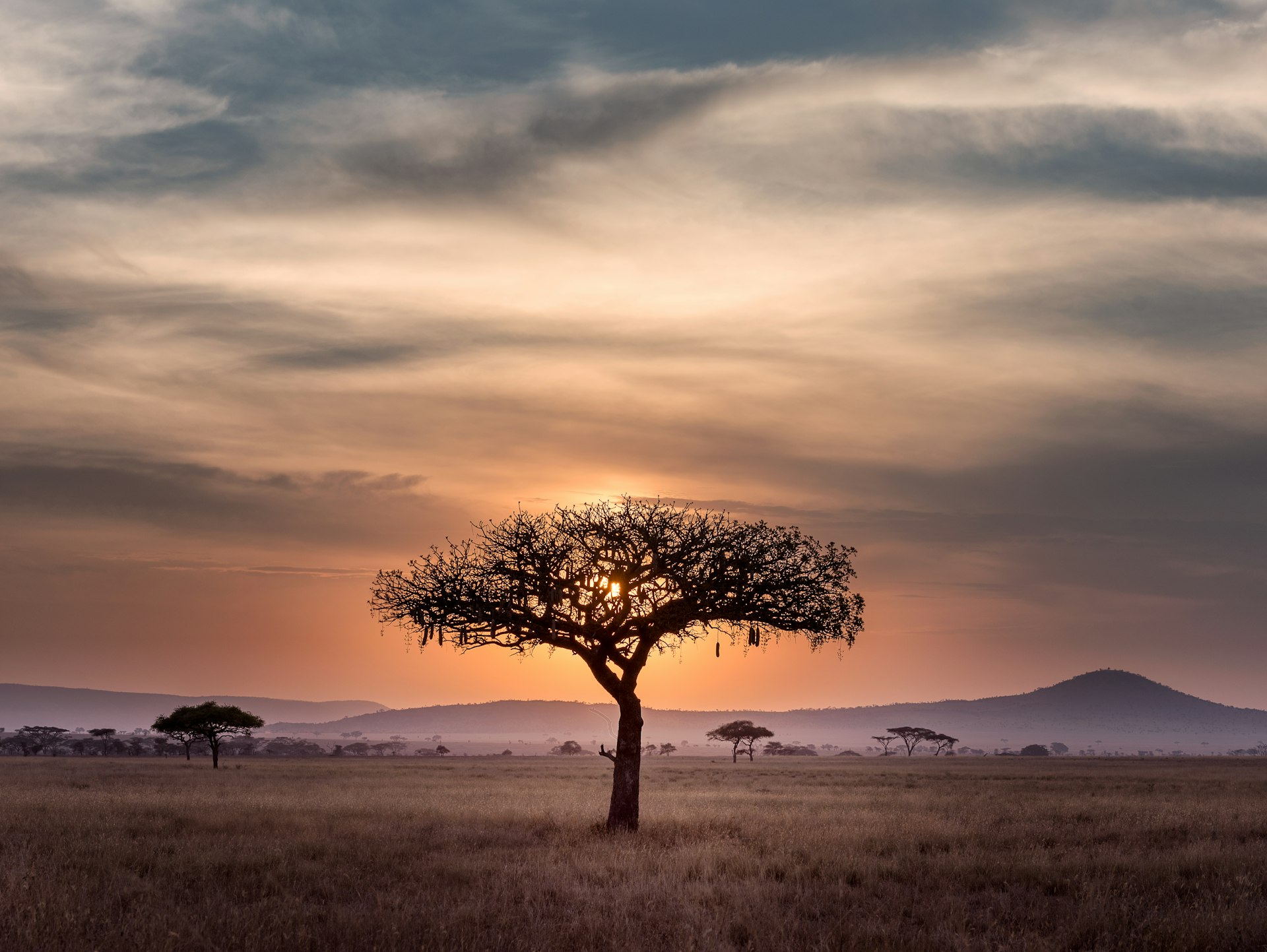
- Forest-savanna mosaic
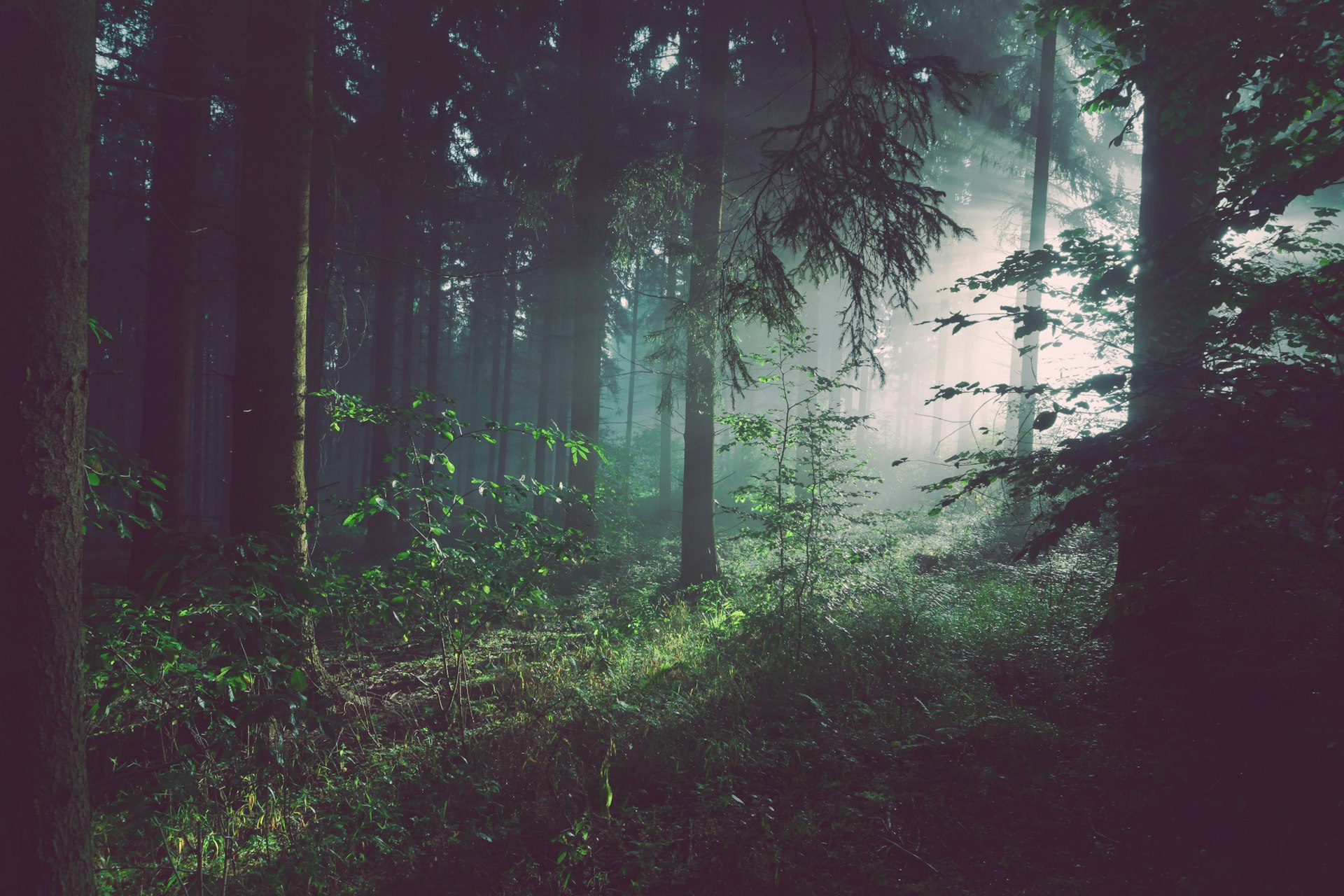
- Lowland rainforest
- Riverine forest
- Seasonal wetlands
Key Species
- Bonobo (Pan paniscus) – world's largest protected population
- Forest elephant
- Congo peacock
- Various monkey species
- Forest buffalo
- Rich fish diversity
Conservation Importance
Sankuru Nature Reserve protects over 30,000 km² of critical bonobo habitat – the largest such protected area anywhere. Community conservation partnerships are central to protection efforts.
Top Attractions in Sankuru
Nature, heritage, and iconic places to explore.
Sankuru Nature Reserve
World's largest bonobo protected area.
Bonobo Research Sites
Active research and conservation sites.
Sankuru River
Major waterway for expedition travel.
Forest-Savanna Mosaics
Unique transitional ecosystems.
Culture & Heritage
Cultural Identity
Local communities are partners in bonobo conservation, blending traditional forest knowledge with modern conservation practice.
Crafts & Art
Forest crafts including woven items, canoes, and traditional tools.
Cuisine
River fish and forest foods, prepared traditionally.
Music & Dance
Traditional music accompanying fishing expeditions and community events.
What to Respect
- Strictly follow bonobo observation protocols
- Support community conservation agreements
- Practice minimum-impact travel
- Contribute to conservation when possible
Signature Travel Experiences
Bonobo Conservation Expedition
Multi-day experience in the world's largest bonobo reserve.
Sankuru River Journey
River expedition through bonobo country.
Research Station Visit
Visit active bonobo research sites.
Suggested Itineraries
Arrive Lusambo
- Travel to Lusambo
- Expedition preparation
- Briefing
River Journey Begins
- Start Sankuru River journey
- River wildlife
- Camp
Enter Reserve
- Arrive at reserve boundaries
- Community welcome
- Orientation
Bonobo Territory
- Enter bonobo habitat
- Initial tracking
- Forest camp
Full Tracking Day
- Extended bonobo tracking
- Observation time
- Research activities
Deep Forest
- Continue exploration
- Nesting site observations
- Evening calls
Research Focus
- Research station activities
- Data collection support
- Conservation briefing
Community Day
- Visit conservation partner communities
- Cultural exchange
- Final forest evening
Return Journey
- Begin river return
- Wildlife spotting
- Camp
Departure
- Complete journey to Lusambo
- Departure
Practical Travel Information
Best Time to Visit
- Dry season (June–September) essential for forest travel
- River access year-round with variation
- Plan extensively in advance
Getting There
- Flights to Lodja or Kindu, then overland/river to Lusambo
- River access from Kindu
- Expedition logistics essential
Health & Packing
- Complete medical kit
- Full expedition equipment
- Satellite communication recommended
- Extended self-sufficiency
Where to Stay
Comfort
Basic in Lusambo.
- Local guesthouses
Premium
Not available.
- None
Expedition
Research camps and river boats.
- Conservation camps
- River expedition berths
FAQs about Sankuru
Plan Your Visit
Discover guided tours, curated experiences, and responsible travel options available in Sankuru.
Tell us your travel dates and style — we'll design a curated itinerary.
Conservation-first • Community impact • Ranger-led experiences • Verified guides