
Explore Equateur
The heart of the Congo Basin where bonobos roam and the equator crosses
Authentic • Untamed • Extraordinary
Province Overview
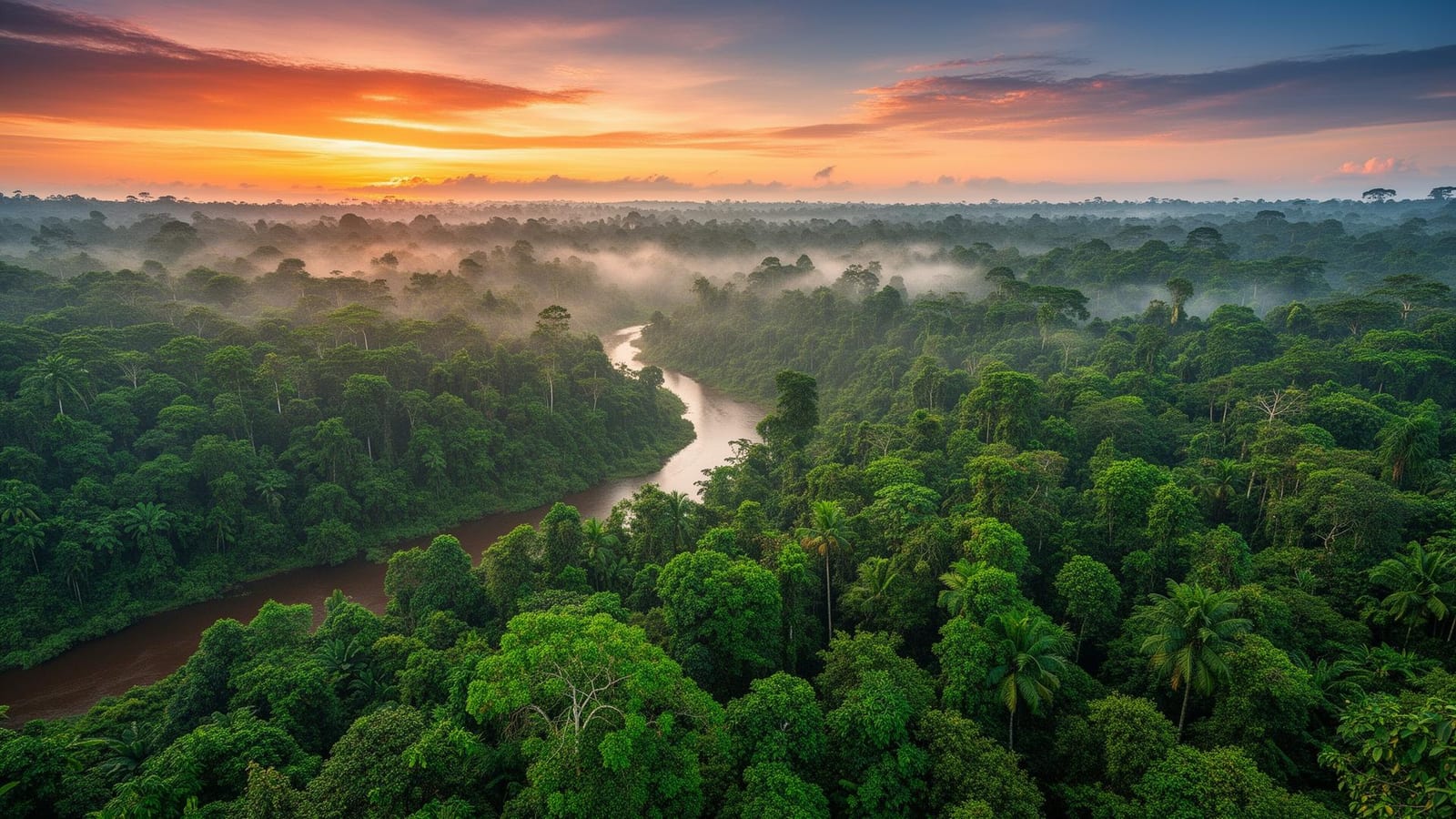
Equateur Province sits at the geographic and ecological heart of the Congo Basin. This is bonobo country – home to the Lomako-Yokokala and Kokolopori reserves protecting our closest living relatives. The province is crossed by the equator and the mighty Congo River, offering expedition-style experiences in some of Earth's most pristine tropical rainforest.
Key Highlights
- Lomako-Yokokala Faunal Reserve – premier bonobo research site
- Kokolopori Bonobo Nature Reserve – community-managed conservation
- Equator crossing monuments and celebrations
- Congo River expeditions from Mbandaka
- Scientific reserves at Mabali and Luo
Map & Location
Equateur Province lies at the heart of the Congo Basin, straddling the equator in northwestern DRC. The province is bisected by the Congo River and surrounded by vast primary rainforest. The provincial capital Mbandaka sits where the Congo and Ruki rivers meet, serving as the gateway to the remote bonobo reserves.
How to Get Here
- Flights to Mbandaka Airport from Kinshasa (approximately 1.5 hours)
- River boat from Kinshasa along the Congo River (3-5 days, expedition-style)
- Road access from Kinshasa via the N7 highway (very challenging, 2+ days)
- Internal boat transfers to remote reserves from Mbandaka
Nearby Landmarks
- Congo River – major waterway passing through province
- Equator crossing – the province straddles 0° latitude
- Lomako-Yokokala Faunal Reserve – 250 km northeast of Mbandaka
- Kokolopori Bonobo Reserve – remote eastern sector
- Salonga National Park – accessible from southern Equateur
Nearby Attractions
0.0481°, 18.2610°
Explore Equateur's Territories
Discover the unique administrative territories within Equateur, each offering distinctive cultural experiences and community tourism opportunities.
Territories of Equateur
Explore the administrative territories within Equateur for community tourism and development opportunities.
Wildlife & Natural Highlights
Ecosystems, key species, and conservation significance in Equateur.
Ecosystems
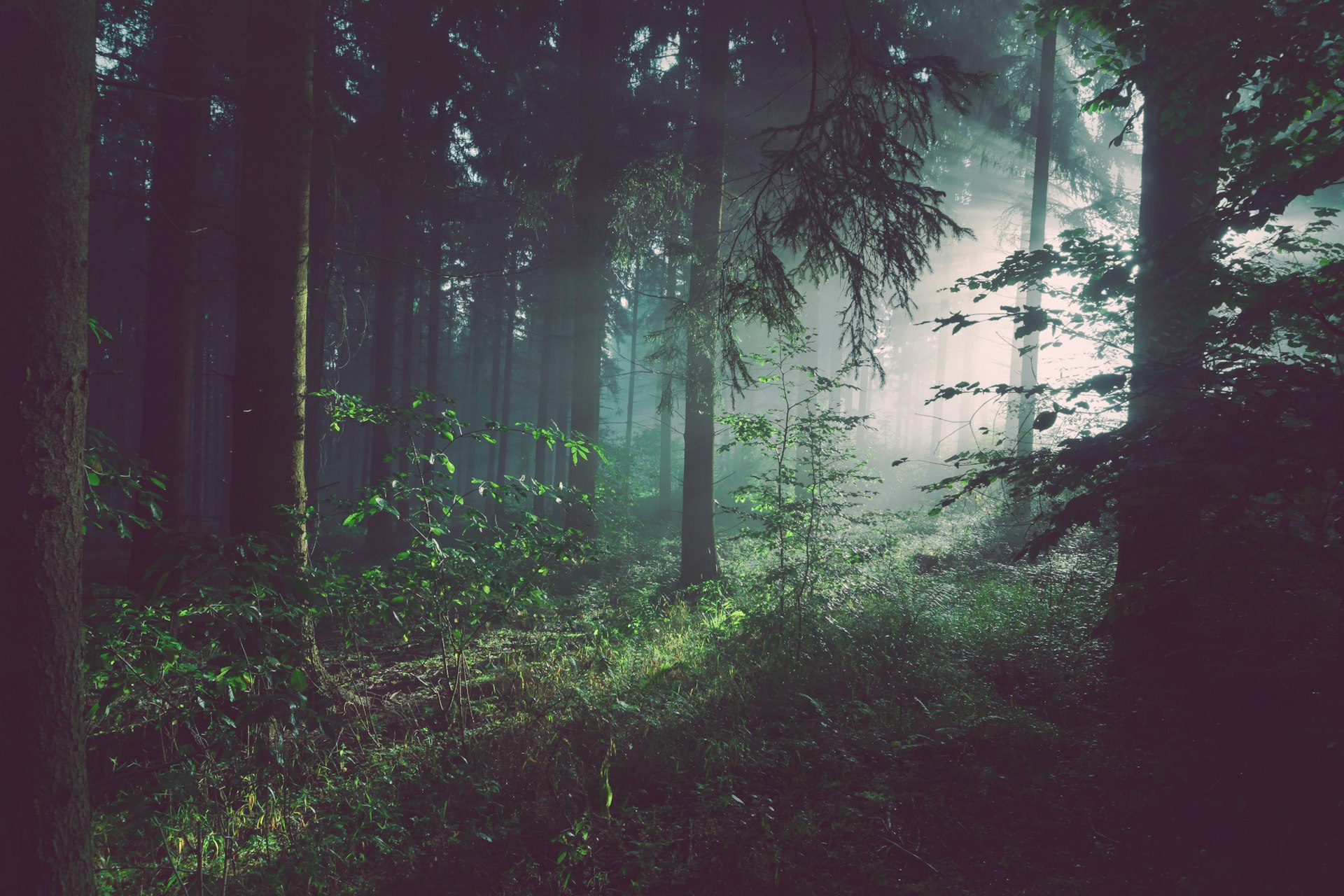
- Lowland tropical rainforest
- Swamp forest (marécage)
- River and lake systems
- Flooded forest
- Terra firma rainforest
Key Species
- Bonobo (Pan paniscus) – humanity's closest living relative, endemic to DRC
- Forest elephant
- Congo peacock
- Allen's swamp monkey
- Sitatunga antelope
- African grey parrot
- Over 400 bird species
- Giant forest hog
Conservation Importance
Equateur Province is the global stronghold for wild bonobos, with an estimated 15,000-20,000 individuals. Lomako-Yokokala and Kokolopori reserves represent pioneering community-based conservation models. The province's swamp forests also contain globally significant carbon stores, making bonobo conservation inseparable from climate action.
Top Attractions in Equateur
Nature, heritage, and iconic places to explore.
Lomako-Yokokala Faunal Reserve
Prime bonobo habitat and long-term research site.
Kokolopori Bonobo Reserve
Community-managed reserve with habituated bonobo groups.
Equator Monument
Mark your crossing of the equator on the Congo River.
Mabali Scientific Reserve
Long-term rainforest research station.
Mbandaka City
Congo River port city and gateway to the reserves.
Culture & Heritage
Cultural Identity
The Mongo people are the largest ethnic group, with deep forest traditions and complex clan systems that have coexisted with bonobos for millennia.
Crafts & Art
Forest products define local crafts: carved paddles, woven baskets, and items made from forest vines and plants.
Cuisine
River fish, forest game (sustainably sourced), and abundant tropical fruits. Grilled fish wrapped in leaves is a specialty.
Music & Dance
Forest rhythms drive Mongo music, with drums carved from giant trees and dances that tell stories of forest spirits and ancestors.
What to Respect
- Strict rules apply in bonobo reserves - follow guide instructions
- Maintain 7-meter distance from bonobos
- No flash photography with wildlife
- Respect community conservation agreements
Signature Travel Experiences
Bonobo Tracking Expedition
Multi-day trek to observe wild bonobo groups.
Congo River Journey
River boat expedition through the heart of the basin.
Equator Crossing Ceremony
Celebrate crossing the equator with traditional rituals.
Rainforest Research Visit
Visit active research stations studying Congo Basin ecology.
Suggested Itineraries
Arrive Mbandaka
- Fly to Mbandaka
- City orientation
- River sunset
River Journey
- Begin boat journey to reserves
- River wildlife
- Equator crossing
Reserve Arrival
- Arrive at bonobo reserve
- Orientation
- Evening forest sounds
Bonobo Tracking
- Full day bonobo tracking
- Forest walks
- Research station visit
Deep Forest
- Morning tracking
- Community visit
- Cultural evening
Return Journey
- Begin return to Mbandaka
- River stops
- Riverside camp
Departure
- Arrive Mbandaka
- Final market visit
- Flight departure
Practical Travel Information
Best Time to Visit
- Dry season (June–September) for best forest access
- Rainy season makes trails very difficult
- Bonobo viewing possible year-round with preparation
Getting There
- Flights to Mbandaka from Kinshasa
- Multi-day boat journeys from Kinshasa
- Internal boat transfers to reserves
Health & Packing
- Yellow fever vaccination required
- Malaria prophylaxis essential
- Waterproof boots and rain gear
- Lightweight long sleeves and pants
Where to Stay
Comfort
Hotels in Mbandaka city.
- Hotel Afrique
- Mbandaka Guesthouse
Premium
Research station accommodations.
- Reserve guesthouses
Expedition
Forest camps and basic shelters.
- Bonobo reserve camps
- River boat berths
FAQs about Equateur
Plan Your Visit
Discover guided tours, curated experiences, and responsible travel options available in Equateur.
Tell us your travel dates and style — we'll design a curated itinerary.
Conservation-first • Community impact • Ranger-led experiences • Verified guides