Discover the Soul of the Democratic Republic of Congo
A land of 450 tribes, deep forests, ancient wisdom, rumba, art, and unmatched biodiversity.
Cultural Diversity
Home to over 450 ethnic groups with unique languages, traditions, and arts.
Natural Richness
Vast rainforests, sacred mountains, and biodiversity hotspots.
Ancient Kingdoms
Legacy of Luba, Kongo, Kuba, and other historic empires.
Music & Dance
Birthplace of rumba and soukous, UNESCO Intangible Heritage.
People & Ethnic Diversity: 450 Tribes, One Nation
Every tribe carries a fragment of Congo's ancestral memory.
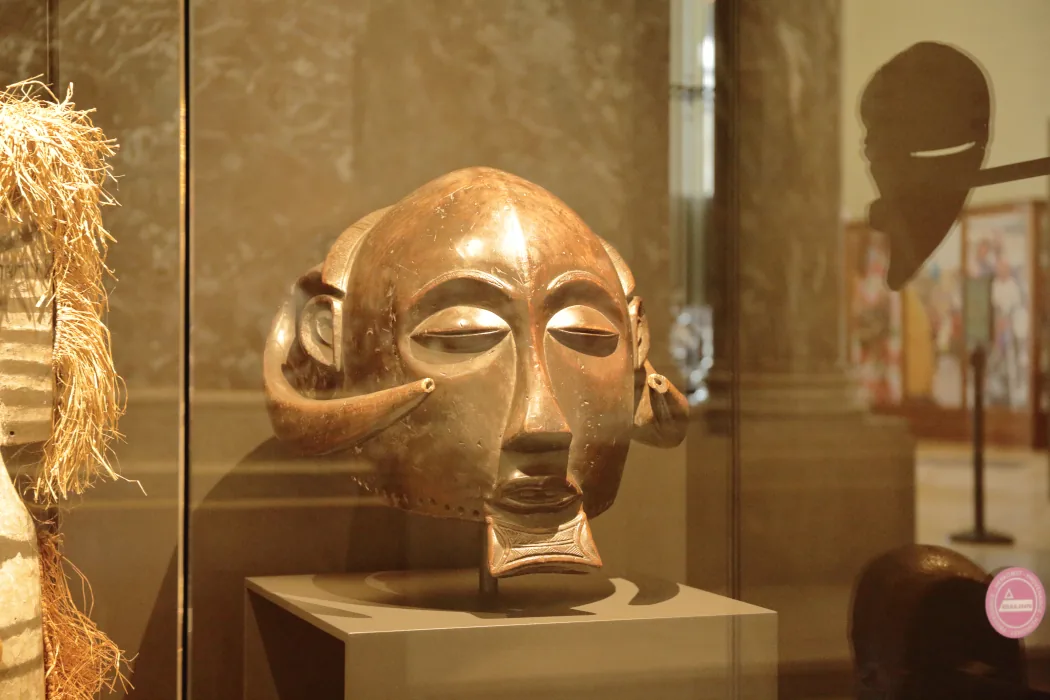
Luba
Largest Bantu group of the southern savannas, renowned for royal courts, lukasa memory boards, and ceremonial helmet masks like the one shown — a Luba kifwebe symbolising ancestral wisdom and political authority.
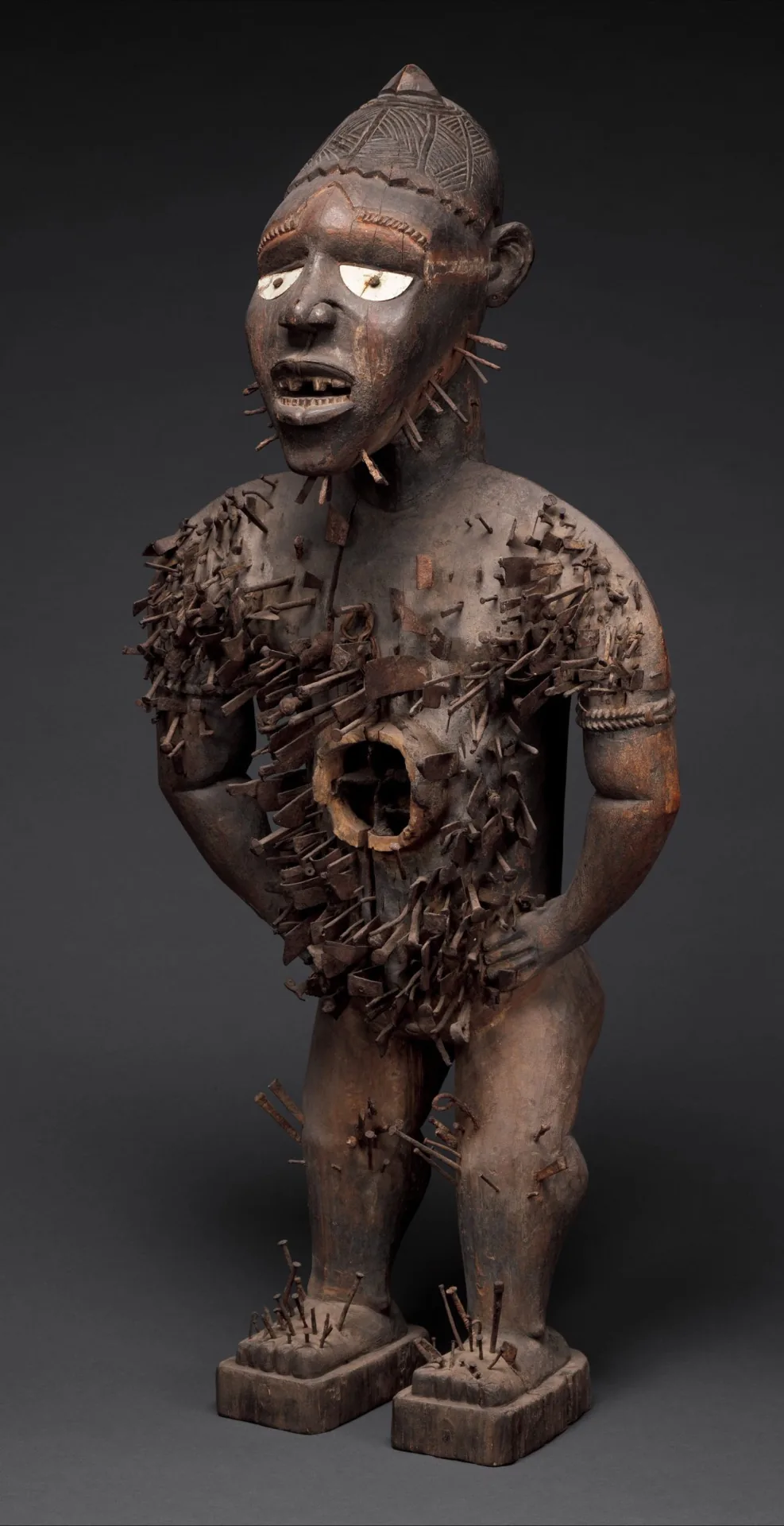
Kongo
Heirs of the historic Kongo Kingdom, famous for nkisi nkondi power figures — wooden sculptures driven with iron nails to seal oaths, invoke justice and channel ancestral protection.
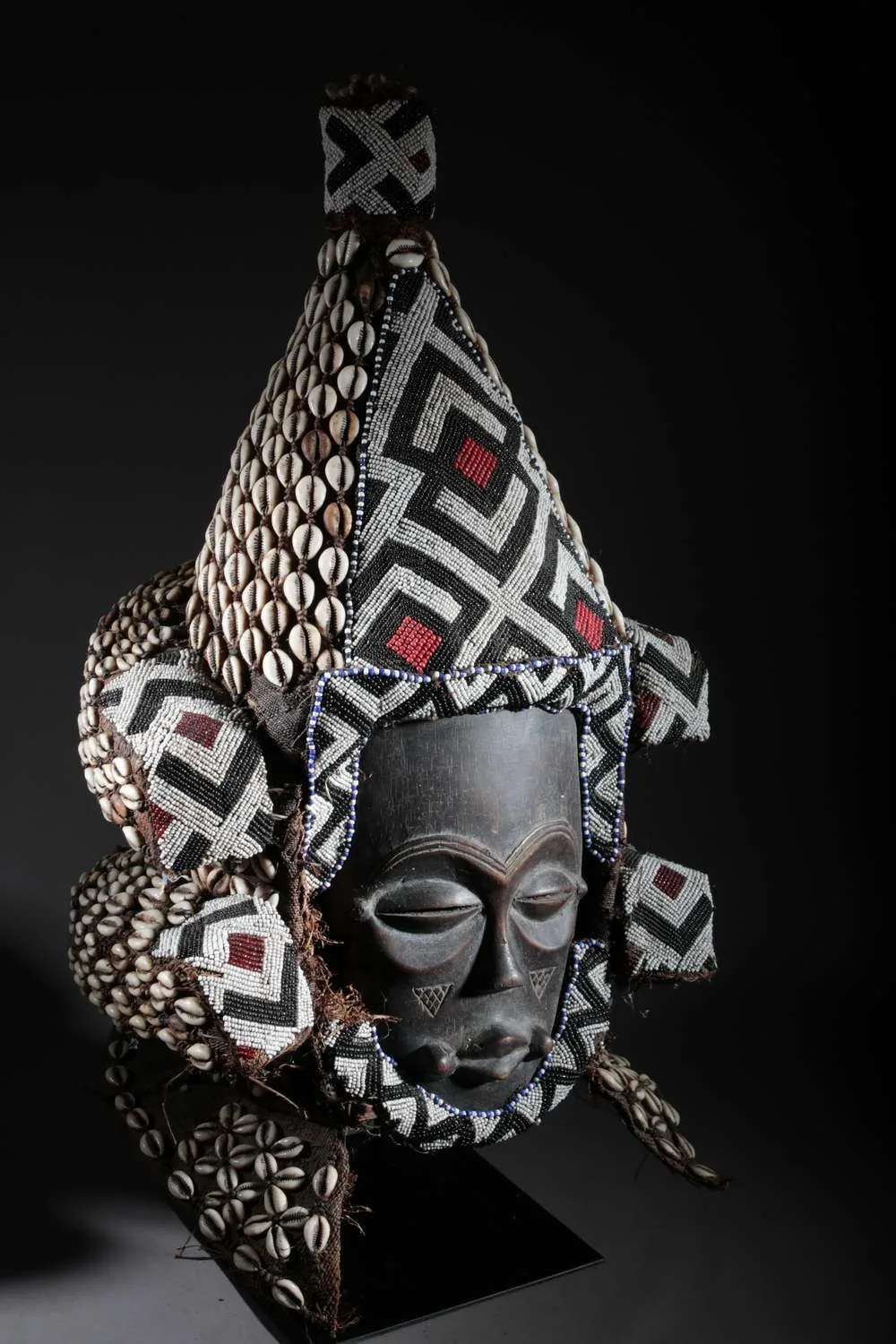
Kuba
Kingdom of artists in Kasai, celebrated worldwide for raffia velvet textiles, geometric design and elaborate beaded royal masks such as Mwaash aMbooy and Ngaady aMwaash.
Geography & Sacred Landscapes
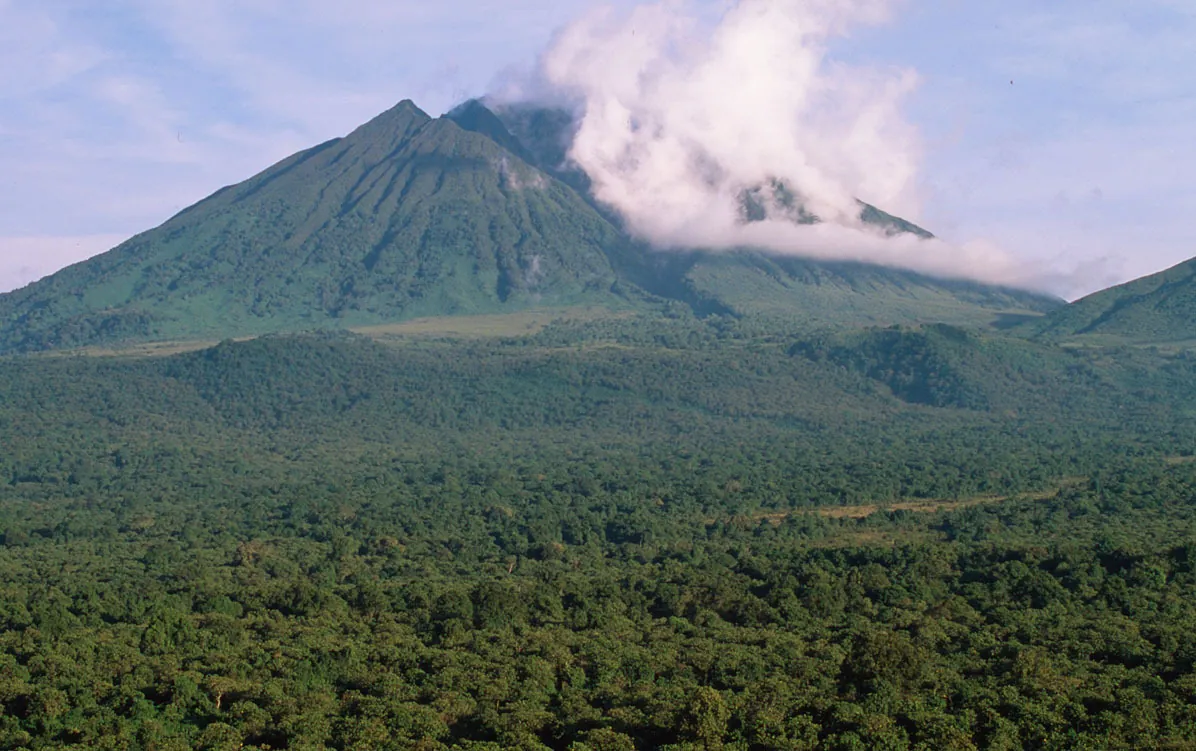
Virunga Mountains
A volcanic chain straddling the eastern DRC, home to the critically endangered mountain gorilla and Africa's oldest national park, Virunga — a UNESCO World Heritage Site.
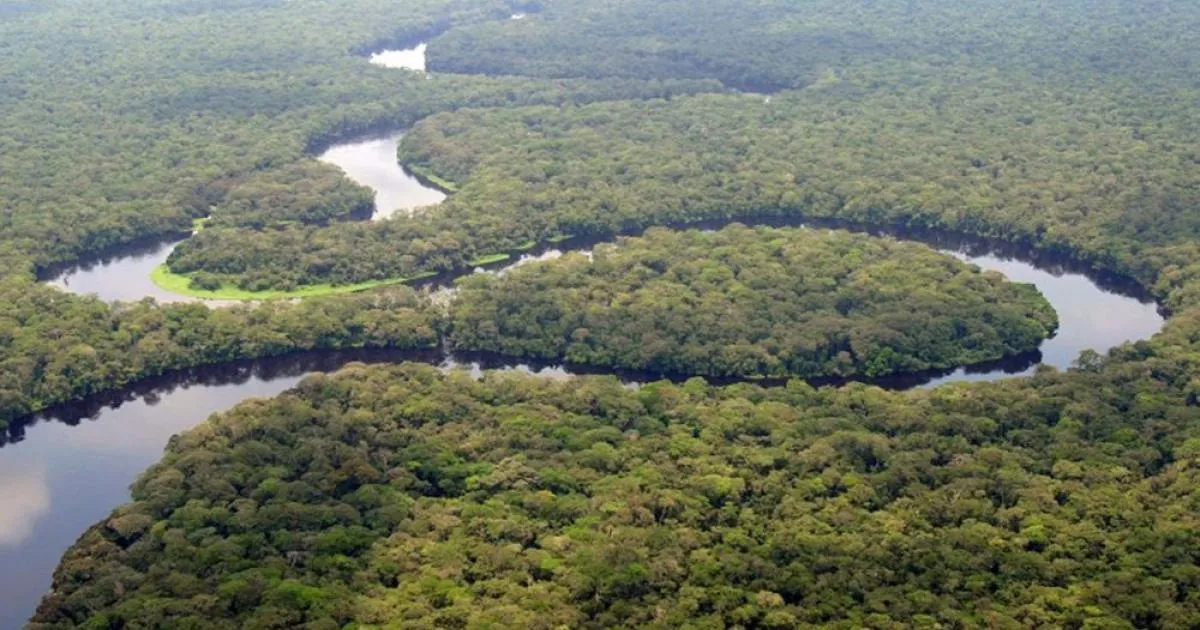
Congo River
The world's deepest river and Africa's second longest, the Congo winds through the planet's second-largest rainforest, sustaining millions of people and one of Earth's richest ecosystems.
History & Heritage of the Congo
The history of Congo is a story of resilience, creation, and transformation.
The Democratic Republic of Congo's history is marked by ancient kingdoms, colonial struggles, and a rich cultural renaissance. From the Luba Empire to the Kongo Kingdom, the legacy of art, governance, and spirituality continues to inspire.
Arts, Music & Culinary Traditions
Congo's cuisine is fresh, organic, soulful — a true taste of the land.
Music & Dance
Congolese rumba and soukous rhythms have influenced music worldwide, blending traditional and modern styles.
Cuisine
Traditional dishes like fufu, moambe chicken, and fresh river fish showcase the rich flavors of the land.
Visual Arts
Masks, sculptures, and textiles reflect spiritual beliefs and social structures.
Must-Experience Cultural & Natural Attractions
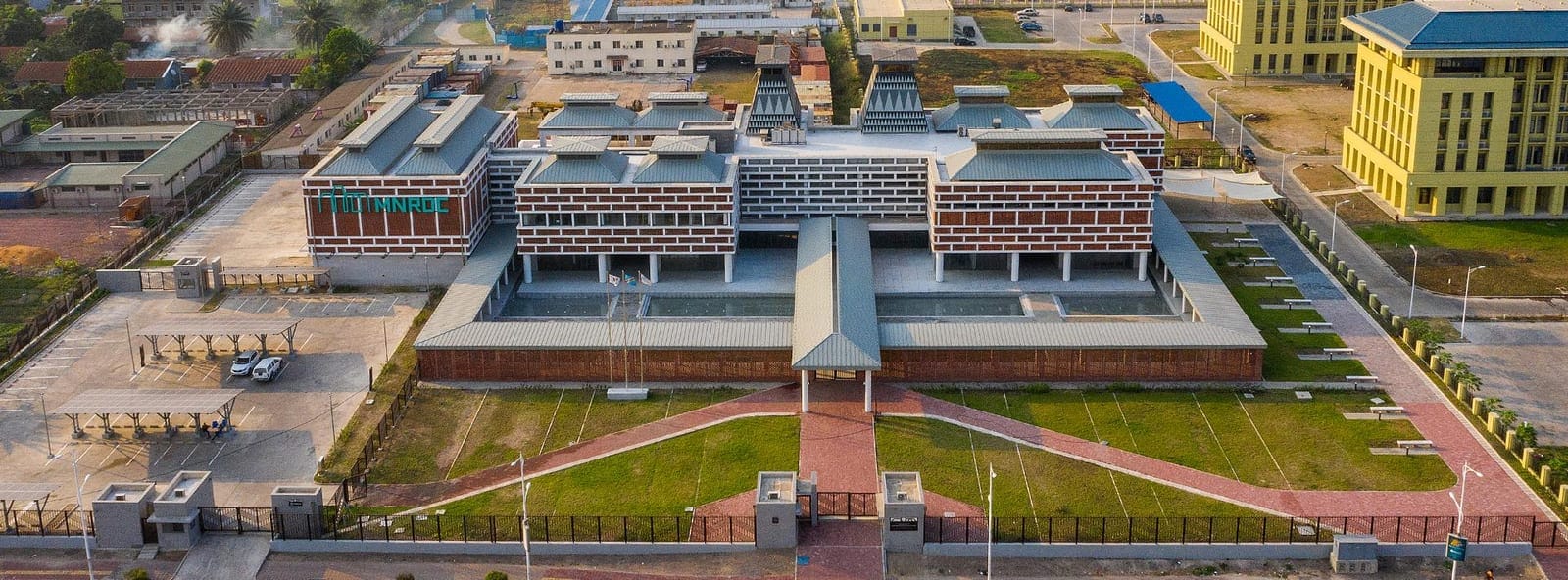
National Museum of Kinshasa
Houses extensive collections of Congolese art, royal regalia and ethnographic artefacts spanning the country's pre-colonial kingdoms.
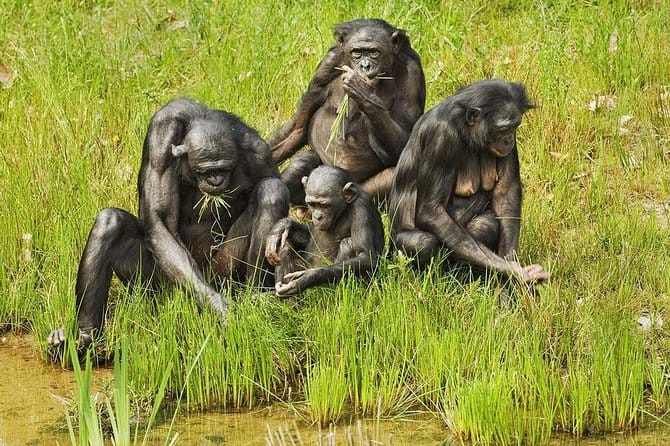
Lola Ya Bonobo Sanctuary
World's only sanctuary for orphaned bonobos — humanity's closest living relatives — on the outskirts of Kinshasa.
Nature & Wildlife of the DRC
The Democratic Republic of Congo is home to some of the world's most unique and endangered species, many found nowhere else on Earth.
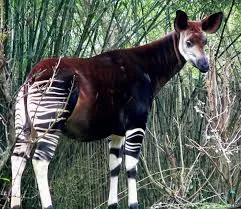
Okapi
The 'forest giraffe' — endemic to the Ituri rainforest of north-eastern DRC and the country's national symbol of biodiversity.
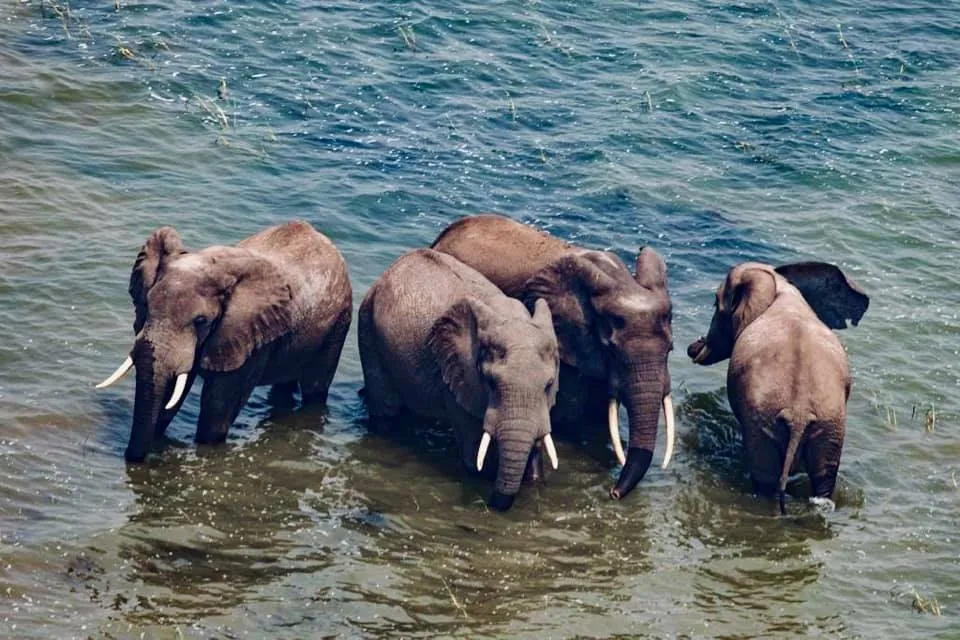
African Forest Elephant
Smaller and rarer than savanna elephants, these critically endangered giants roam the Congo Basin, shaping the rainforest as ecosystem engineers.
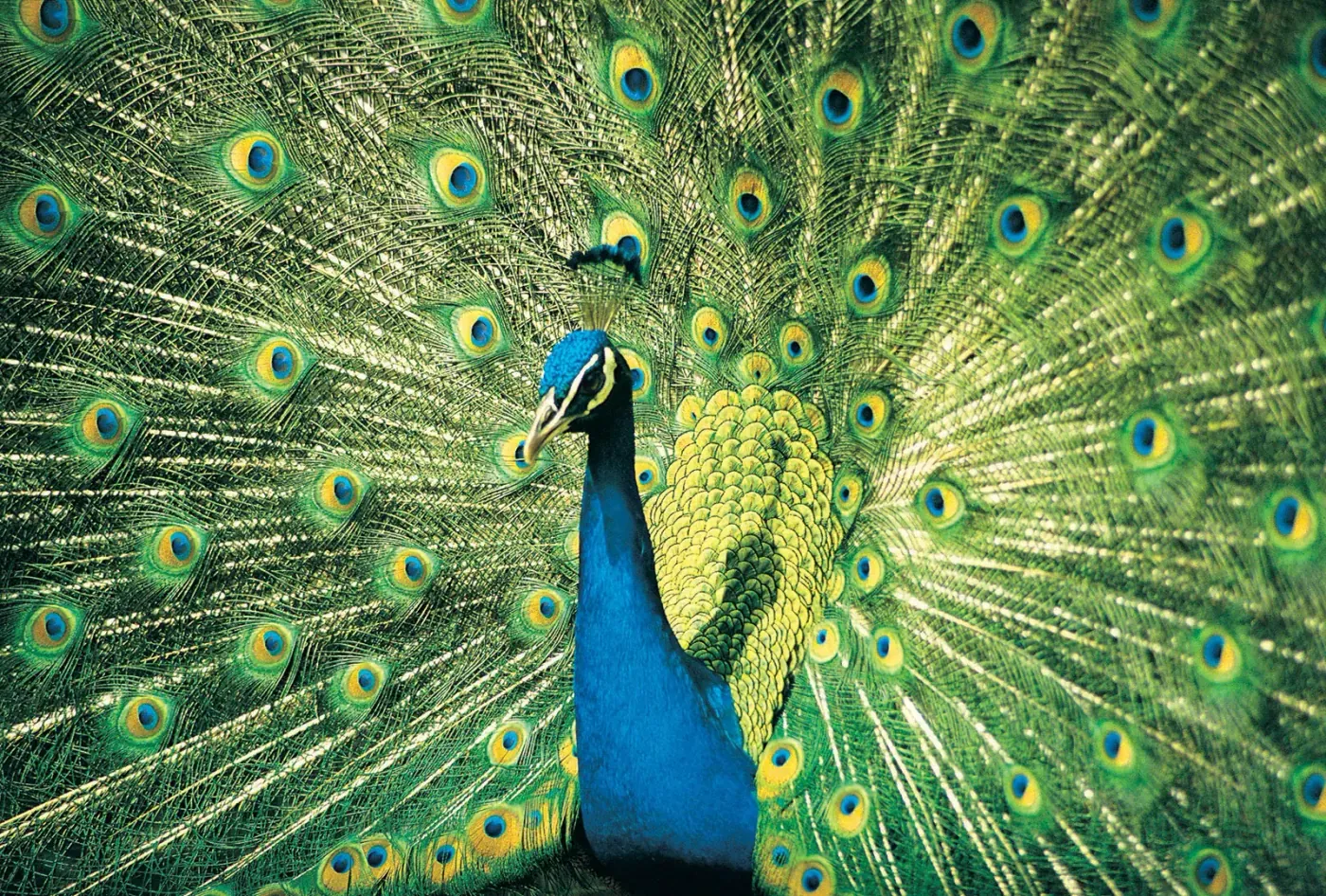
Congo Peafowl
The only true pheasant native to Africa, found exclusively in the lowland rainforests of the DRC and the national bird of the country.
Key Facts & Statistics About DRCongo (2025)
- Population: ~95 million (2025 estimate)
- Official Languages: French, Lingala, Swahili, Kikongo, Tshiluba
- UNESCO World Heritage Sites: Virunga National Park, Okapi Wildlife Reserve
- Rich mineral resources: Cobalt, copper, diamonds
Tourism Taglines for International Promotion
"Congo: Heartbeat of Africa's Spirit and Nature"
"Discover the Untamed Beauty and Culture of the Congo"
"Where Tradition Meets Wilderness"
Frequently Asked Questions about DRC Culture
How many ethnic groups live in the Democratic Republic of Congo?
+
The DRC is home to over 450 distinct ethnic groups speaking more than 200 languages, organised into four broad families: Bantu, Sudanese, Nilotic and Pygmy peoples.
What is Congolese rumba?
+
Congolese rumba is a music and dance genre born in Kinshasa and Brazzaville. It was inscribed on the UNESCO List of Intangible Cultural Heritage of Humanity in 2021.
Which ancient kingdoms shaped DRC culture?
+
Three pre-colonial kingdoms left a lasting cultural legacy: the Kongo Kingdom on the Atlantic coast, the Luba Empire in the southern savannas, and the Kuba Kingdom of central Kasai, famous for its art and textiles.
What wildlife is unique to the DRC?
+
The DRC is home to species found nowhere else, including the okapi (forest giraffe), the bonobo great ape, the Congo peafowl and the eastern lowland gorilla.