Cultural Festivals
of the Congo
Where Ancestral Traditions Come Alive
Experience the rhythms, masks, dances, and ceremonies that have defined Congolese identity for generations.
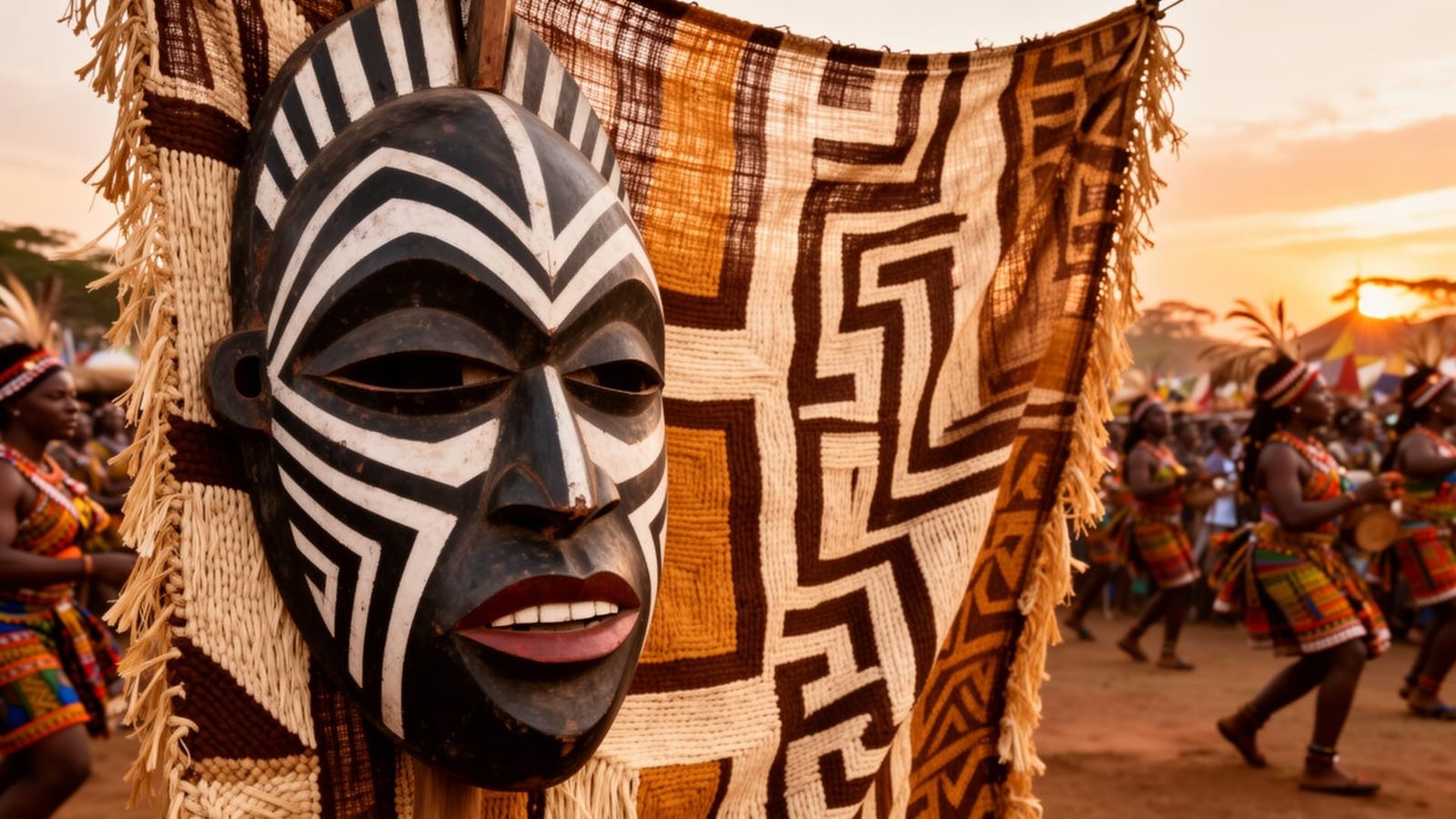
"Across the Democratic Republic of Congo, cultural festivals are more than celebrations — they are living ceremonies that transmit history, values, spirituality, and identity from one generation to another. From the sacred Kifwebe masks of the Songye to the rhythmic drums of Kinshasa's rumba scene, each festival tells a story of resilience, pride, and belonging."
Explore by Tradition
Discover the diverse categories of cultural expression across the Congo
Mask & Ancestral Festivals
Sacred ceremonies featuring traditional Pende, Yaka, Chokwe, and Kongo masks passed down through generations.
Music & Dance Festivals
Vibrant celebrations of rumba, soukous, Afrobeat, and traditional rhythms that move the soul.
Royal & Kingdom Ceremonies
Majestic events honoring ancestral kingdoms, chiefs, and the rich history of Congolese royalty.
Harvest & Community Celebrations
Seasonal gatherings celebrating abundance, agriculture, and the bond between people and land.
Spiritual & Initiation Rites
Sacred ceremonies marking life transitions, presented with respect and cultural sensitivity.
Modern Cultural & Diaspora Festivals
Contemporary celebrations bridging tradition with innovation, connecting Congo to the world.
Festivals Rooted in the Land
Each province carries unique traditions shaped by ethnic heritage, geography, and ancestral wisdom
Kinshasa
Ethnic Groups: Diverse urban mix
Signature: Rumba, Soukous
Congo Biennale
Biennial, fall (October-November)
Festival des Arts de Kinshasa
October, several days
+3 more festivals
Kongo Central
Ethnic Groups: Kongo
Signature: Kongo harvest dances
Annual Kongo harvest dances and ancestor veneration rites occur in Matadi/Boma areas.
Kwango
Ethnic Groups: Yaka, Pende
Signature: Yaka initiation ceremonies
Informal Yaka initiation ceremonies with masks and dance in villages.
Kwilu
Ethnic Groups: Pende
Signature: Pende mask rituals
National Gungu Festival (FESNAG)
Cyclic (every few years)
Mai-Ndombe
Ethnic Groups: Bobangi
Signature: Canoe racing ceremonies
Local fishing/harvest celebrations with canoe races.
Kasaï
Ethnic Groups: Luba, Kuba
Signature: Kuba raffia-weaving festivals
Kuba raffia-weaving festivals and Luba royal dances in villages.
Kasaï-Central
Ethnic Groups: Luba
Signature: Luba initiation rites
Informal Luba initiation rites with storytelling.
Kasaï-Oriental
Ethnic Groups: Luba, Lunda
Signature: Ethnic dances at market fairs
Local market fairs with ethnic dances.
Lomami
Ethnic Groups: Tetela
Signature: Tetela harvest events
Tetela harvest events in rural communities.
Sankuru
Ethnic Groups: Kuba extensions
Signature: Kuba geometric art festivals
Kuba geometric art festivals in villages.
Maniema
Ethnic Groups: Songye
Signature: Kifwebe mask ceremonies
Festival of Masks – Kifwebe
Variable (ritual-based)
Sud-Kivu
Ethnic Groups: Shi, Hutu
Signature: Traditional rhythms & Afrobeat
Festival de la Musique de Bukavu
Variable (summer)
Nord-Kivu
Ethnic Groups: Diverse Great Lakes
Signature: Peacebuilding music events
Amani Festival
Late January, 3 days
Congo International Film Festival
Annual, ~1 week
+2 more festivals
Ituri
Ethnic Groups: Lendu, Alur
Signature: Alur harvest dances
Local Alur harvest dances; security limits large events.
Haut-Uele
Ethnic Groups: Zande
Signature: Zande hunting rituals
Zande hunting rituals and ceremonies.
Bas-Uele
Ethnic Groups: Zande, others
Signature: Village epics/storytelling
Village epics and storytelling traditions.
Tshopo
Ethnic Groups: Diverse riverine
Signature: Soukous/rumba, drumming
Kisangani Cultural Festival
Late August, 7 days
Mongala
Ethnic Groups: Diverse ethnic groups
Signature: Bobangi river rites
Annual diversity festivals with music/dance/food; local Bobangi river rites.
Nord-Ubangi
Ethnic Groups: Zande
Signature: Zande beauty rites
Zande scarification and beauty rites.
Sud-Ubangi
Ethnic Groups: Similar to Nord-Ubangi
Signature: Traditional harp music
Village harp music events and gatherings.
Équateur
Ethnic Groups: Bobangi, Pygmy
Signature: Harvest dances, Pygmy rituals
Yam Festival – Lelo Bwame
Variable (harvest season)
Tshuapa
Ethnic Groups: Mbuti Pygmy
Signature: Mbuti net-hunting dances
Mbuti net-hunting dances and forest rituals.
Haut-Katanga
Ethnic Groups: Diverse urban
Signature: Carnival costumes, contemporary art
Carnival of Lubumbashi
Variable (pre-Lent)
Lubumbashi Biennale
Biennial, September, ~2 weeks
Lualaba
Ethnic Groups: Lunda
Signature: Lunda mining/heritage fairs
Local Lunda mining and heritage fairs.
Haut-Lomami
Ethnic Groups: Songye, Luba
Signature: Kifwebe extensions
Possible Kifwebe extensions from Maniema region.
Tanganyika
Ethnic Groups: Tabwa
Signature: Tabwa beadwork/fishing rites
Lakeside Tabwa beadwork and fishing rites.
Featured Festivals
Immerse yourself in the stories behind Congo's most significant cultural celebrations
Amani Festival
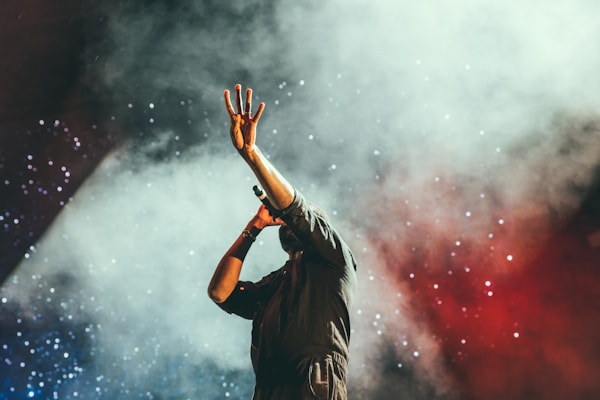
East Africa's largest peace festival, bringing together artists from the Great Lakes region to celebrate unity through music and art.

National Gungu Festival (FESNAG)
Since 1925, this legendary festival celebrates Pende culture through sacred mask ceremonies, initiation rites, and ancestral dances.

Festival of Masks – Kifwebe
Sacred Songye ceremony featuring powerful wooden masks representing spiritual forces, healing, and community protection.

Congo Biennale
Contemporary art exhibition transforming the capital into an open gallery, addressing social issues through creative expression.

Lubumbashi Biennale
Major contemporary art event bringing together African artists to explore identity, memory, and the future of the continent.

Yam Festival – Lelo Bwame
Harvest celebration honoring the land, ancestors, and the sacred bond between Bobangi people and their natural environment.
Visual Stories
Masks, dancers, drummers, and the spirit of celebration

Traditional Mask
Festival Crowd

Ceremonial Dance

Ancestral Ceremony

Art Installation
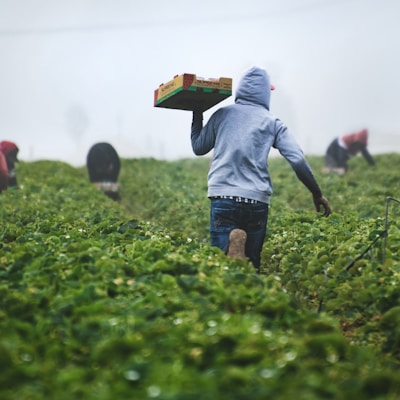
Harvest Celebration

Contemporary Art

Community Gathering
Join the Celebration
Cultural leaders, festival organizers, communities, and diaspora groups are invited to partner with DRCTourism
Submit a Festival
Share your cultural event with the world
Partner with Us
Collaborate on cultural tourism initiatives
Ambassador Program
Represent Congolese culture globally
Our Commitment to Cultural Respect
DRCTourism is committed to ethical cultural tourism that:
- Respects sacred traditions and ceremonies
- Works directly with communities and elders
- Promotes culture with dignity, not exploitation
- Ensures benefits flow back to local communities
- Avoids sensationalism or misrepresentation
"We believe that cultural tourism, done right, strengthens heritage rather than diminishes it."
DRC Tourism Office: +243 898 941 649 | info@drctourism.com
Note: Dates vary annually. Contact local offices for 2026 schedules. Eastern provinces may have travel advisories.
Experience the Soul of Congo
From peace-building concerts in Goma to sacred mask ceremonies in Maniema, DRC's festivals celebrate resilience, creativity, and 450+ ethnic traditions.
Last updated: February 2026
Reviewed by DRCTourism Research Team — Cultural Heritage Division